The art of luxury and luxurious Insights
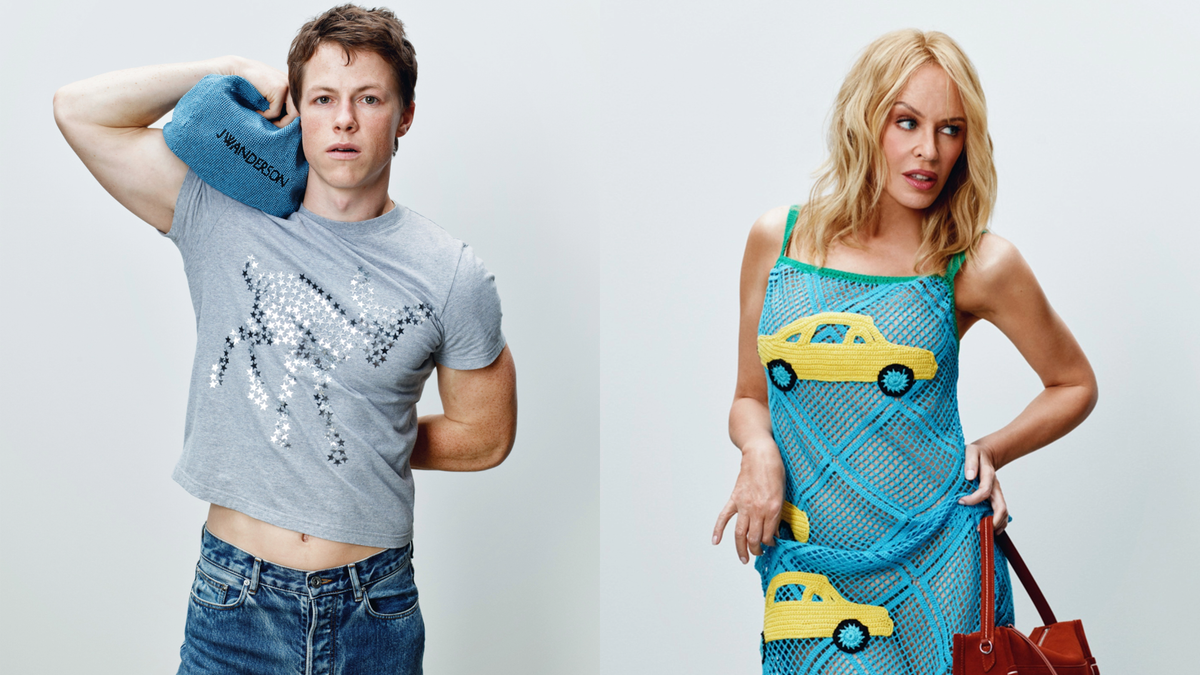
Owning luxury items like a Gucci belt or Balenciaga sunglasses is less about the actual items and more about the status they confer. It's a game of "look at me," where your accessories shout about your wealth louder than words ever could. It's not just about style—about making a statement that you're part of an exclusive club. Spotting the difference between a Fendi baguette and a Stella McCartney handbag isn't just good eyesight—it's a social skill, a discernment that aligns you with certain tribes within the glittering world of the well-heeled. A belt, a pair of shoes, a handbag, a watch, a suit, a car, whatever it might be. Why do we want to acquire that object? Because we can demonstrate our status by the luxury that we wear. We can show you that I've got money, yeah? That I'm better than you. I earn more than you. I am more important than you. My family is more important than you. However basic it might sound, that is a prime motivator for many people to have overt wealth status on their body.
This discernment goes beyond mere recognition; it’s about connection. Knowing the creator behind a piece or recognising a vintage collection becomes a conversation starter, a way to form bonds over shared tastes. But luxury is not only about the external—it's also about how these items make us feel, infusing a touch of glamour into our daily lives through objects that serve as little amulets of joy. When you can look at them and say, oh yeah, I love that collection from Nicolas Ghesquier. Beautiful, wasn't it? That's a lovely piece. The fact that you know that that was Nicolas Ghesquier, or you know Ray Caracubo made it, or whoever you choose to cite, the showing of that knowledge, that discernment, forms a bond and creates a different type of relationship with the person that you're talking to. Discernment. Yeah? The fact that you know your wine, you know your cars, you know your watches, you know your handbags.
Our connection with luxury isn't based on how much something costs or how unique it is. It's based on the fact of how it makes me feel. Yet, the modern luxury narrative is evolving, and being part of this change is an exciting prospect. It's no longer just about conspicuous consumption but about responsible indulgence. Choosing a brand like Prada becomes a statement not just of taste but of ethics—opting for goods that are not only exclusive but also sustainably made. It’s about legacy, not just in terms of what we own but also the values we support and pass on.
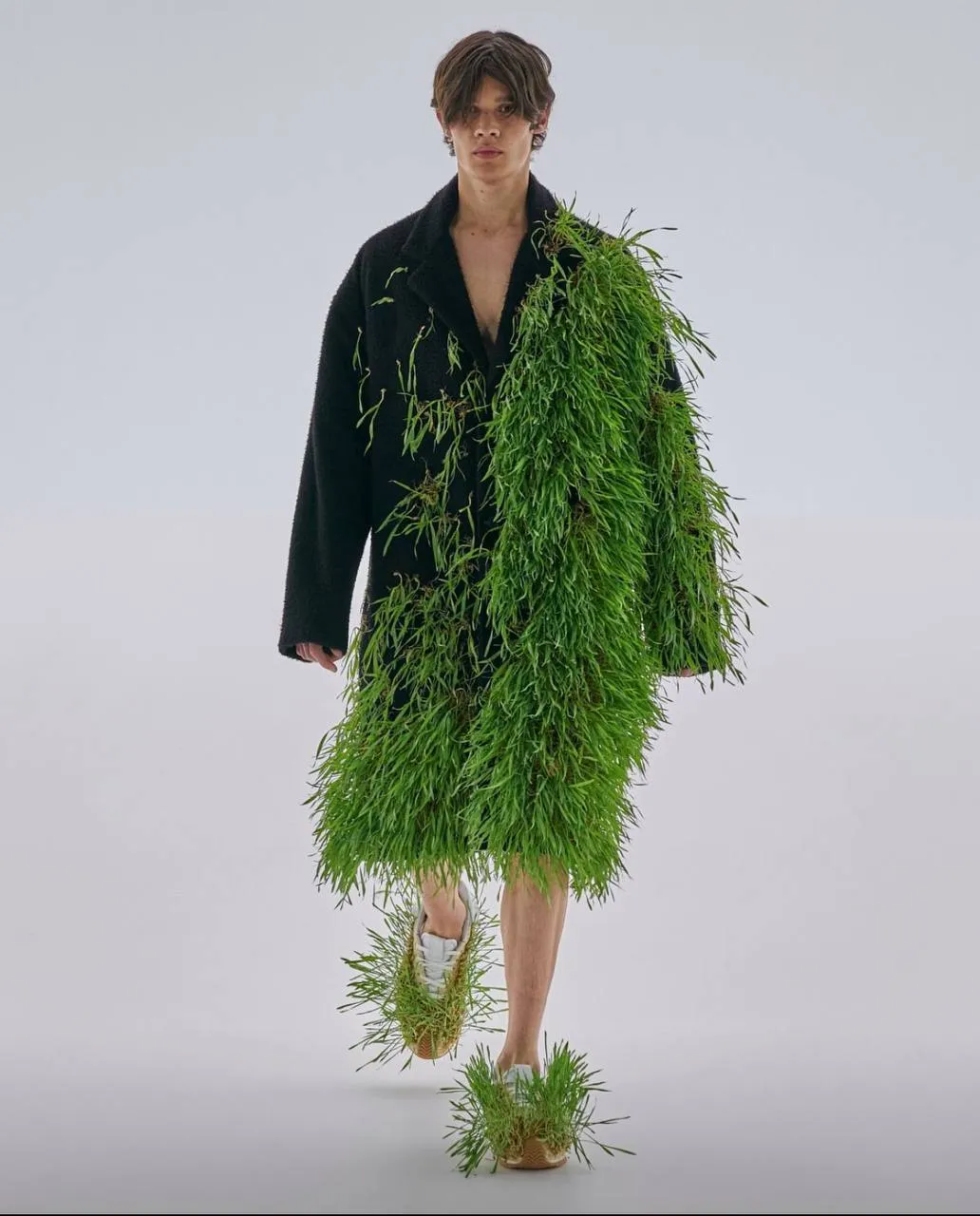
Thus, luxury today is more than just owning—it's about experiencing, connecting, and even transforming. From the cut of a suit to choosing a biodynamic wine, each decision reflects personal values and aspirations towards a better, more thoughtful way of living.
Exploring the luxurious life isn't merely about flaunting wealth—it's a finely tuned art of self-expression and societal connections. As we dive into the elite world of designer brands and exquisite craftsmanship, we realise luxury transcends mere possessions. It elevates our life experience, blending the personal with the universal, the private delight with the public spectacle. Brands like Chanel, Balenciaga, and Gucci have transcended their traditional roles, venturing boldly into the digital and metaversal realms, reshaping our cultural landscape. These brands are no longer just selling products but curating experiences and becoming influencers in a world where art, lifestyle, and identity converge seamlessly. They champion a new era where luxury means engaging with culture at every level, from digital platforms to physical interactions, transforming every touchpoint into an opportunity for creative expression. This dynamic shift sees brands like the venerable Christoffel, known for its silverware, collaborating with artists to redefine what it means to entertain, turning every meal into a curated art exhibit. Here, luxury is not just seen or worn but experienced as an integral part of a broader cultural dialogue that invites all, especially the younger generation, to consume and contribute and reshape the narrative. This is luxury as a participatory sport, where every purchase, every interaction, and every display is a building block in the grand design of contemporary cultural identity. Luxury is not just a personal experience, it's a collective narrative that we all contribute to.
In a world where luxury isn't just about flaunting a flashy logo but crafting an entire cultural identity, Gen Z and millennials aren’t passive onlookers. They're rolling up their designer sleeves, diving into the creative fray on platforms like YouTube, Instagram, and TikTok. Here, they don't just consume luxury; they recreate it, making it a viral sensation one post at a time. Sensing the shift, brands are expanding their territories beyond the traditional, inviting these young cultural curators to spectate and participate. It's less about owning and more about belonging, turning every interaction into a co-creation playground. This is the new era of luxury branding, where your influencer status might just get you a seat at the creative table. Luxury is not just a product, it's a canvas for personal expression and inspiration.
In the world of luxury, brands like Burberry are shaking up our traditional notions of heritage and craft. Burberry, a beacon of Britishness, has been adeptly turning the concept on its head, infusing modern irony and wit into its creations. It's about peeling back the layers of luxury branding to reveal a rich tapestry of cultural cues—from film stars to pop icons, embedding a more profound sense of discernment within their brand management. This strategy involves a bold reimagining of craftsmanship, embracing disruption and diversity, much like Loewe's efforts through its new foundation, which celebrates exceptional artisans and sets new standards in the craft.
Luxury brands like Loewe are setting new standards in craftsmanship through their innovative foundation in Paris, which champions exceptionally skilled artisans. This initiative reshapes traditional perceptions of craft by integrating artistry with modern design principles, fostering a deeper connection between consumers and the crafts. This shift is part of a broader movement in luxury culture that emphasises a holistic experience, blending innovation with a reverence for heritage. It reflects a changing landscape where consumers value a synthesis of cultural depth, artisanal skill, and contemporary relevance in their luxury experiences. So it's not just based on an emotional connection but on obsession or passion (a craving, not a crush, if you know what I mean).
The current trend in luxury branding extends beyond just selling products to creating multi-dimensional experiences that encapsulate a lifestyle. This shift has seen luxury brands delve into the hospitality industry, controlling not just retail environments but also hotels, restaurants, cafes, theatres, and sports venues. Such expansive branding transforms the consumer's interaction with the brand into a holistic, emotionally charged experience. Brands are becoming more immersive, focusing on creating memorable moments and deep emotional connections that resonate personally with their customers. This evolution signifies a move towards more experiential, emotionally engaging luxury marketing.
In the increasingly theatrical stage of luxury marketing, brands are not just selling products; they are selling tickets to an extravagant show of sustainability and ethics. They woo their audiences with trips to offbeat destinations like closed museums or the South Pole—experiences so exclusive, you can't even price them. Meanwhile, they parade their moral compass, not just with any ordinary compass, but one made of ethically sourced, conflict-free, artisan-crafted materials. And in this grand narrative, millennials are the applauding crowd, ready to throw their money at any brand that waves the sustainability flag, even if it’s stitched with a tiny, exclusive logo that costs a fortune. It's not just about making a purchase anymore; it's about buying into a moral and ecological crusade, armed with cashmere and organic wine.
This visionary take on luxury focuses on how brands are not merely looking back but steering towards a future shaped by radical responsibility and purpose. They're embracing transparency, showing us their operations behind the scenes and making their production processes an open book. This push extends beyond environmental concerns, incorporating the nurturing of human skills and traditional crafts at risk of extinction. Luxury is redefined as not just about indulgence but as a platform for change, influencing how we interact with the world and each other, aspiring to elevate our collective experiences to new, almost otherworldly realms. The luxury journey is now about pushing boundaries physically and intellectually, venturing into uncharted territories like space or the deep ocean, all while ensuring a legacy of sustainability and ethical innovation.
In the ever-evolving landscape of luxury, travel is not just about destinations but transformative experiences. The Ritz-Carlton epitomises this shift by offering journeys that fundamentally change guests, suggesting you arrive as one person and leave another—transformed and renewed. This vision of travel as a transformative process is echoed in the concept of luxury brands as thought leaders, pushing the boundaries of traditional luxury to embrace intellectual and experiential growth. They guide their patrons towards new realms of discovery, making luxury a gateway to unique, sometimes unreachable experiences, like visiting remote polar regions or engaging in space travel, as highlighted by the pioneering Ocean Sky airship venture to the North Pole. These experiences underscore the role of luxury brands in offering extraordinary, life-changing opportunities, not just products but gateways to new dimensions of living. In the luxury narrative, Chanel exemplifies the pinnacle of aspirational experiences. A visit to a Chanel exhibition, like the one at the V&A, is not just about viewing garments—it’s about stepping into a realm of extraordinary creativity and heritage. This experience allows one to touch upon the genius of Chanel, offering a dreamlike elevation from the mundane. So, it's less about the tangibility of the product and more about the intangibility of the concept.
As we look to the future, it's clear that luxury morphs beyond mere objects to encapsulate a more profound, almost intangible realm of experiences. It's about engaging with the avant-garde, where luxury brands are not just sellers of opulence but also pioneers of new cultural paradigms. Think less of tangible items and more of the experiences that whisper of innovation and boundary-pushing ideas—these are the luxury adventures of tomorrow. Yet, as we embrace these new horizons, we must ask: Is luxury genuinely enriching our lives, or is it merely a glossy veneer over excess? The irony is that as we reach for the stars, we might just be grounding our values.