Bad Romance: How horrors about toxic relationships became the new mainstream
«Obsession», «I Have a Very Bad Feeling About This» and other examples of a new genre
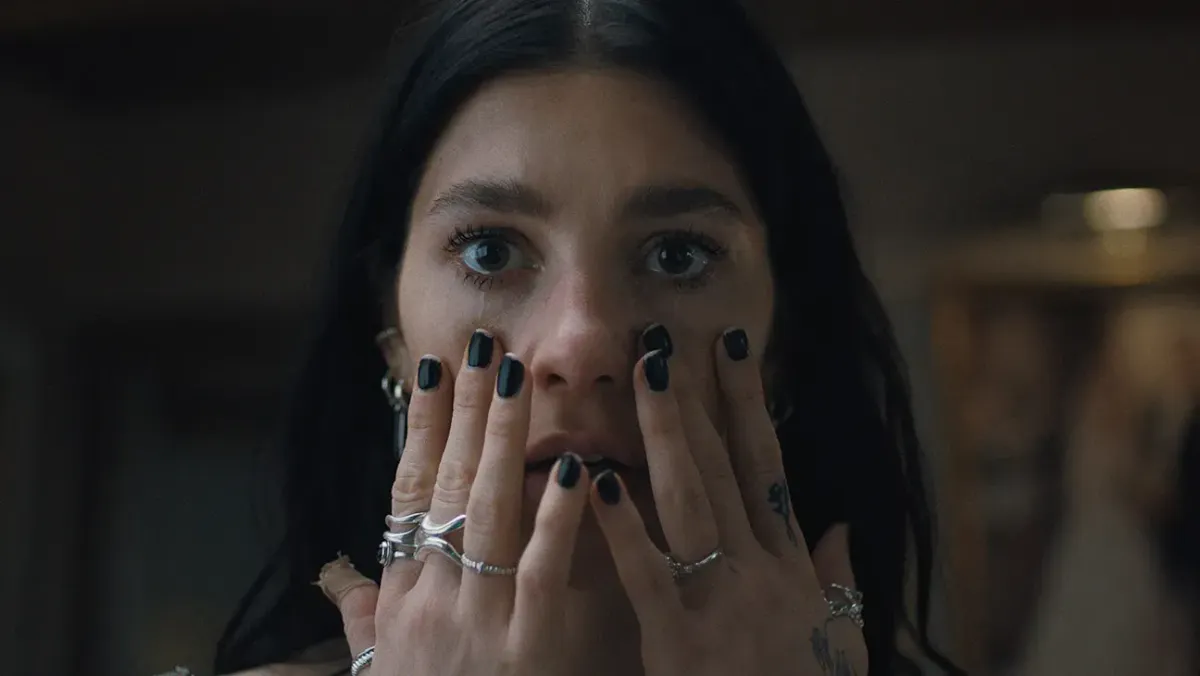
Let’s be honest: contemporary cinema has long ceased trying to frighten us with haunted Victorian mansions, serial killers, or even cosmic entities. Frankly, why bother? If the last years of pop culture have proven anything, it is that the most terrifying monster in existence doesn't lurk in a pitch-black basement. It shares your Netflix subscription, comments on your choice of dress, and casually asks who just texted you at 9 PM.
We are living through the golden era of «abuse-horror» — a paradigm shift where the language of the supernatural has been entirely co-opted to dissect the mechanics of toxic relationships, trauma, and systemic gaslighting. What was once dismissed by studio executives as domestic drama has been repackaged as visceral survival horror. It turns out that the slow, suffocating erasure of one’s sanity is a far better engine for suspense than any jump scare.
Ready or Not (2019)
Directed by Matt Bettinelli-Olpin and Tyler Gillett

The true ideological prologue to this decade's fixation on marital misery. On the surface, it’s a bloody, high-concept game of hide-and-seek. In reality, it is an accurate depiction of marrying into a dysfunctional family. Grace’s wedding night morphs into a literal slaughterhouse because her new husband's family is bound by a satanic pact of generational wealth. It perfectly subverted the «happily ever after» trope, demonstrating that entering a toxic clan requires you to either lose your life or torch their entire estate to the ground while wearing blood-soaked sneakers.
The Invisible Man (2020)
Directed by Leigh Whannell
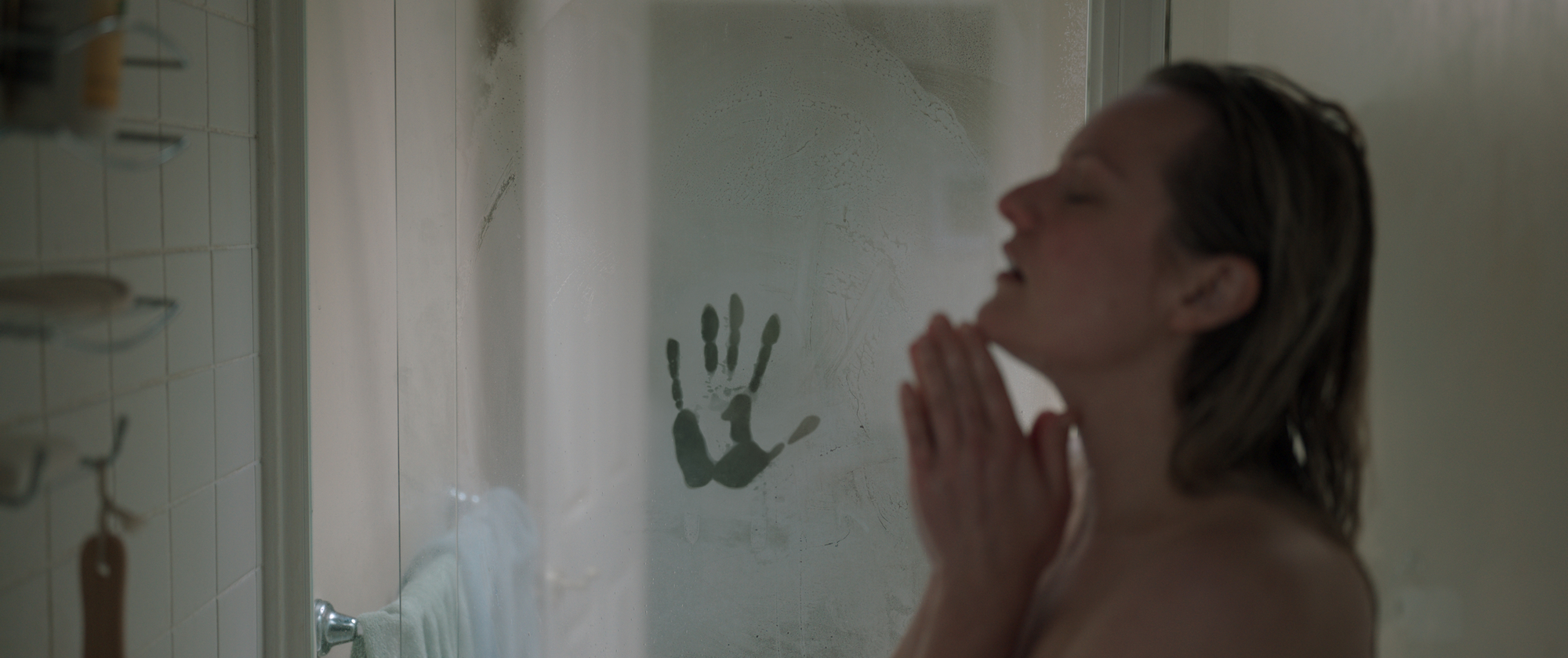
If «Ready or Not» treated marriage as a corporate execution, Whannell’s film codified the precise mechanics of post-separation trauma. Cecilia's «genius» ex-boyfriend fakes his suicide and uses a high-tech suit to stalk her invisibly. This is not a sci-fi gimmick; it is a literalization of the phantom presence an abuser leaves in a victim's mind. The true horror isn't that he is invisible; it's that when Cecilia screams for help, the entire institutional infrastructure — police, psychologists, friends — looks at her and sees a hysterical woman. It is the ultimate manifesto on institutionalized gaslighting.
Fresh (2022)
Directed by Mimi Cave
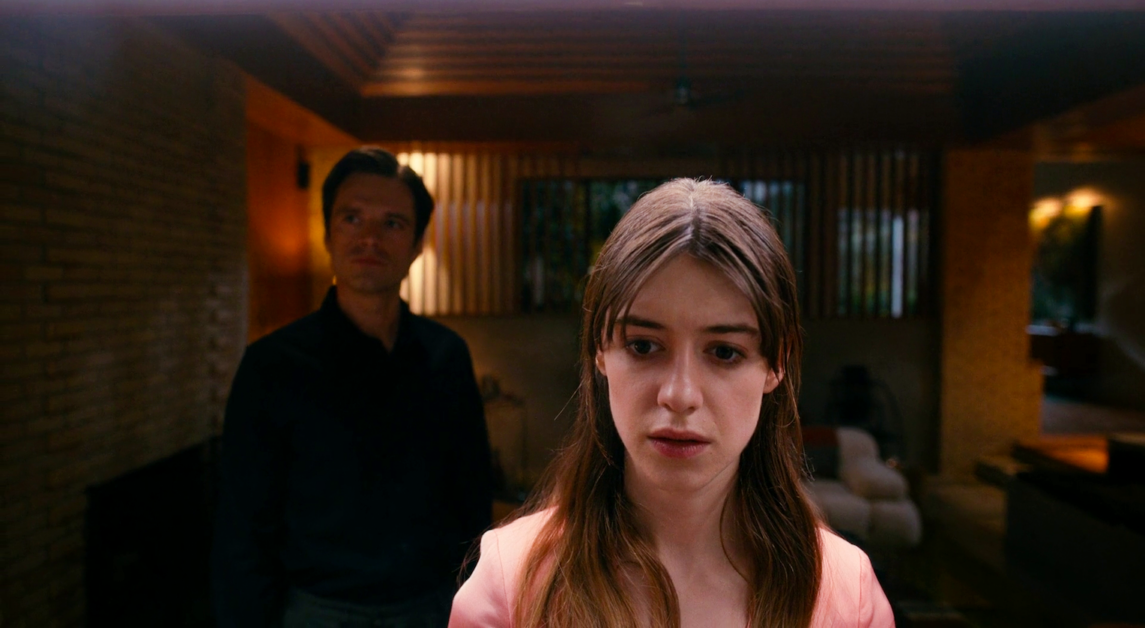
A brilliantly cynical satire on modern dating culture that transforms the concept of «love-bombing» into a literal meat market. Noa, exhausted by the digital wasteland of Tinder, falls for the suspiciously charming Steve, only to find herself chained in his basement because he sells the flesh of young women to wealthy clients. Cave cuts straight to the bone of a modern anxiety: the terrifying realization that the performative, curated perfection of a new partner is merely a camouflage.
Don't Worry Darling (2022)
Directed by Olivia Wilde

A techno-horror dressed in mid-century couture. Wilde takes the incel fantasy of traditional patriarchal control and turns it into a simulated prison. The horror here lies in the terrifying premise that a partner who claims to love you would gladly lobotomize your ambitions, erase your real-world identity, and trap you in a 1950s digital utopia, all under the guise of «protecting» you from the hardships of reality.
Together (2025)
Directed by Michael Shanks
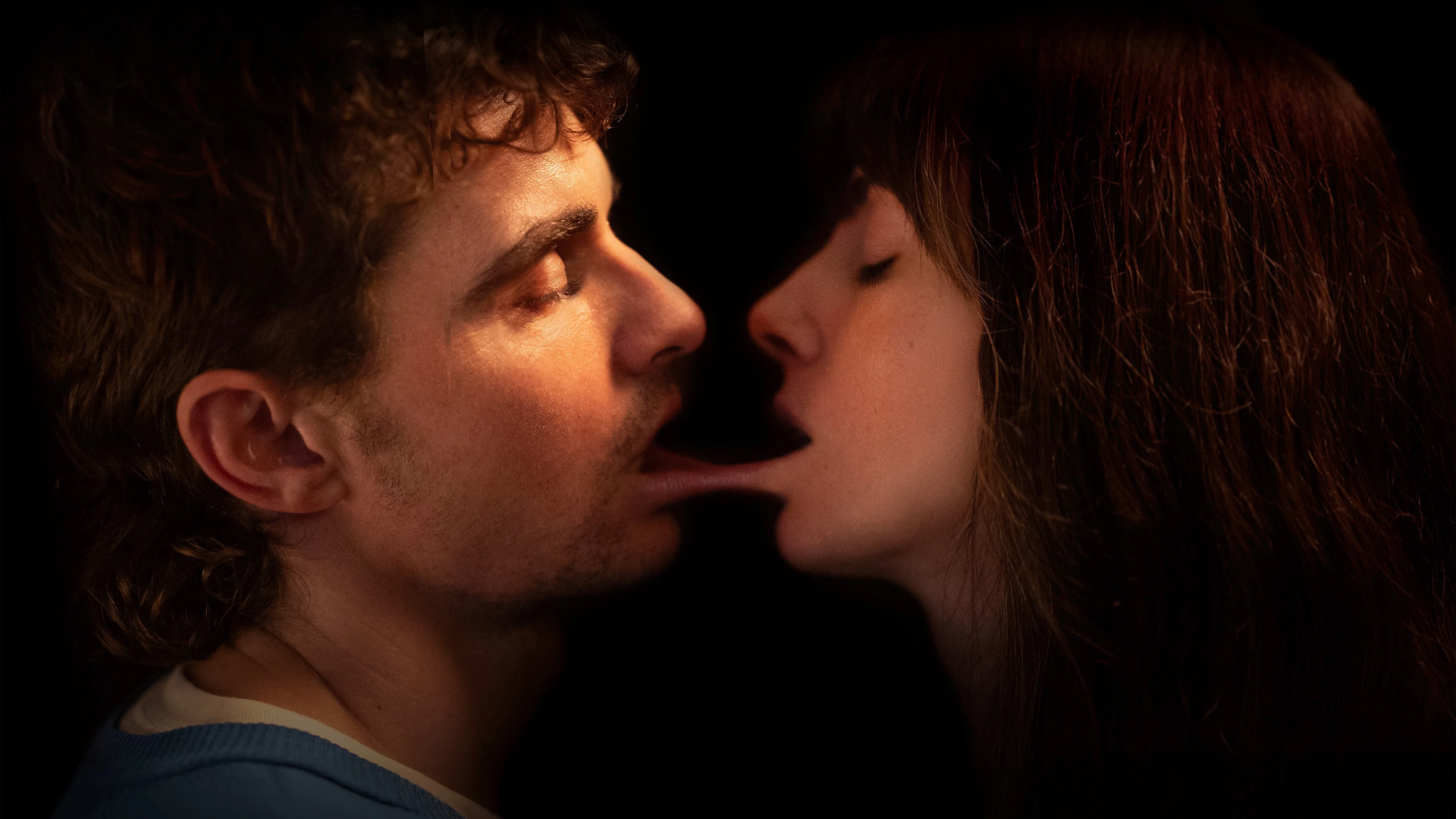
A grotesque, Cronenbergian exploration of codependency. Shanks takes the romantic cliché of «we are two bodies with one soul» and translates it into a literal body-horror where a couple's toxic attachment physically fuses them together. It is a brilliant metaphor for those relationships where the boundaries of the self are so utterly eroded that separation equals literal mutilation.
Something very bad is going to happen (TV Series, 2026)
Produced by the Duffer Brothers / Netflix
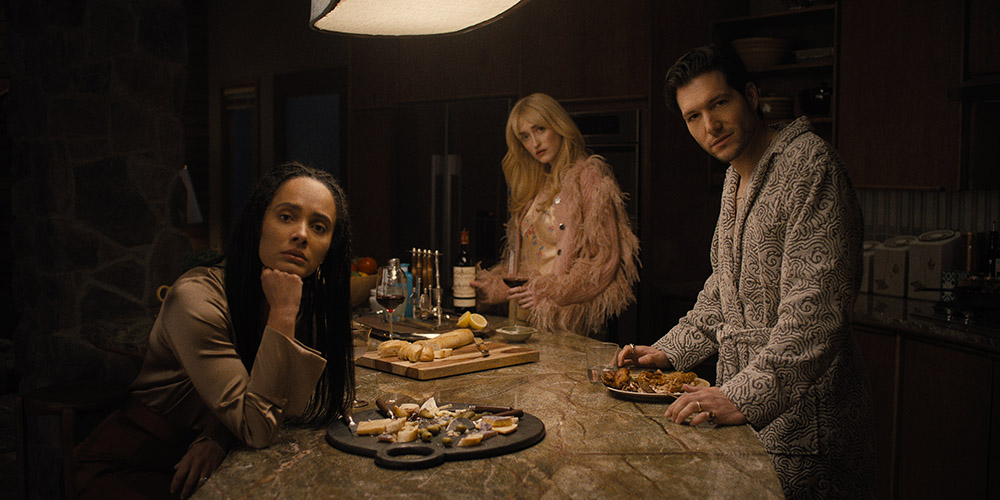
This eight-episode psychological meat grinder elevates pre-wedding anxiety to a state of absolute terror. It expands the claustrophobia of «Ready or Not» into a slow-burn epic of paranoia. Rachel’s journey into her fiancé’s family estate isn't terrifying because of the taxidermy or the isolated woods — it is terrifying because it captures the slow, paralyzing realization that the man you are about to legally bind yourself to belongs to a structure designed to systematically hollow you out.
Obsession (2026)
Directed by Curry Barker
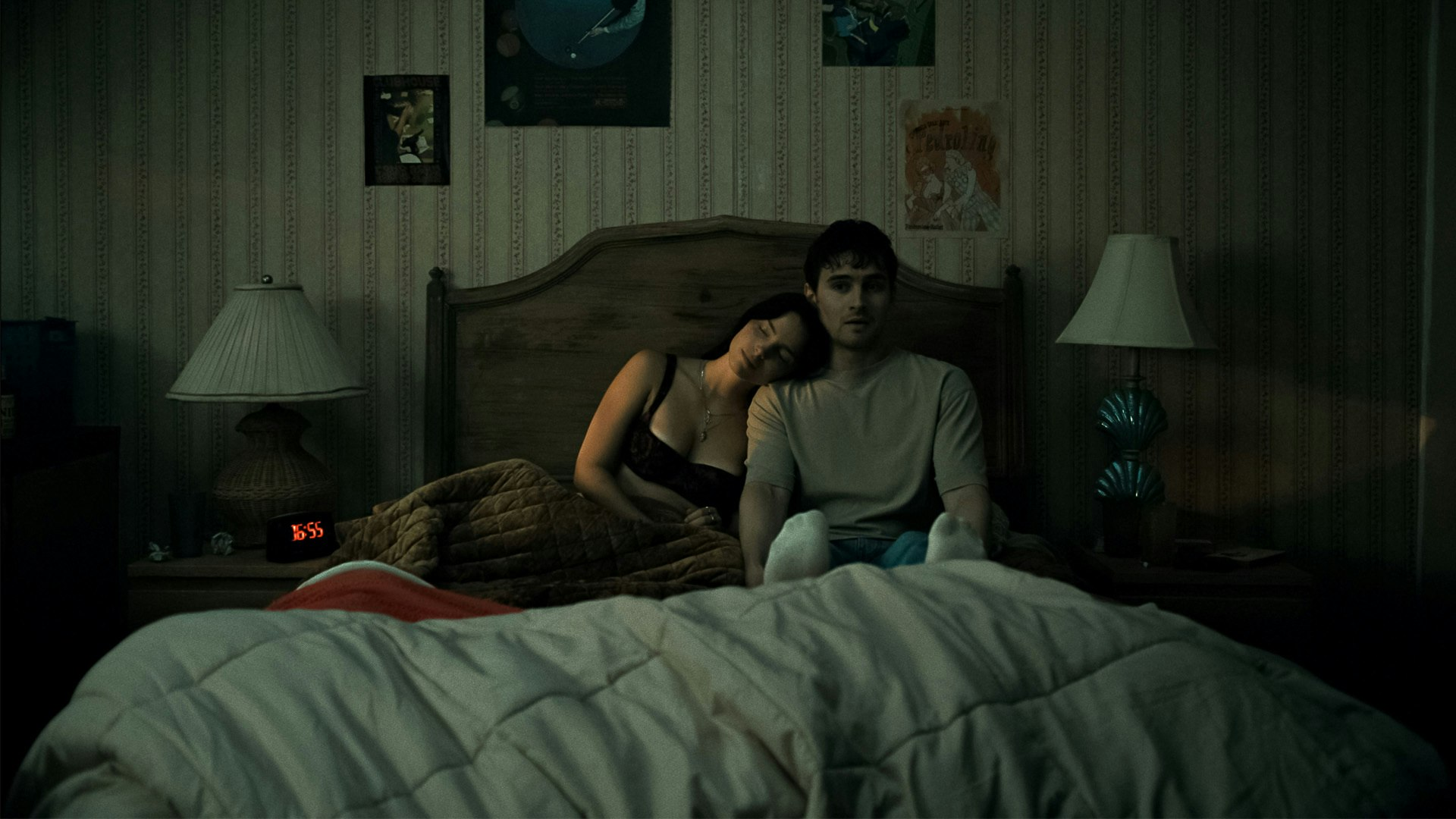
Barker turns the traditional dynamic on its head by analyzing the violence inherent in romantic objectification. A hopeless romantic uses a supernatural artifact to force his crush, Nikki, to love him. The resulting horror isn't just that Nikki becomes a terrifyingly unhinged stalker, but that her autonomy has been violently usurped. It acts as a parable about the toxic delusion that we have a right to possess another human being's affection, transforming a «nice guy's» fantasy into a living nightmare.
What connects these titles across the last seven years is a profound cultural exhaustion with external monsters. Cinema has finally accepted that the ultimate horror is entirely intimate. It is the realization that the structure we are told will save us from loneliness — the romantic partnership — is often the very engine that will destroy us.
by Masha Bessmertnaya