“Prologue” Is a Real-Life Liminal Space in mumok, Vienna
Some exhibitions are ideal for visiting with others, having spontaneous discussions and sharing the experience rather than going it alone. But „Prologue“ is perfect for visiting on your own and savouring the emotions, because no one will be able to distract you from this hypnotic and immersive experience. That’s exactly why I went to mumok at a time of day when there would be almost no visitors.
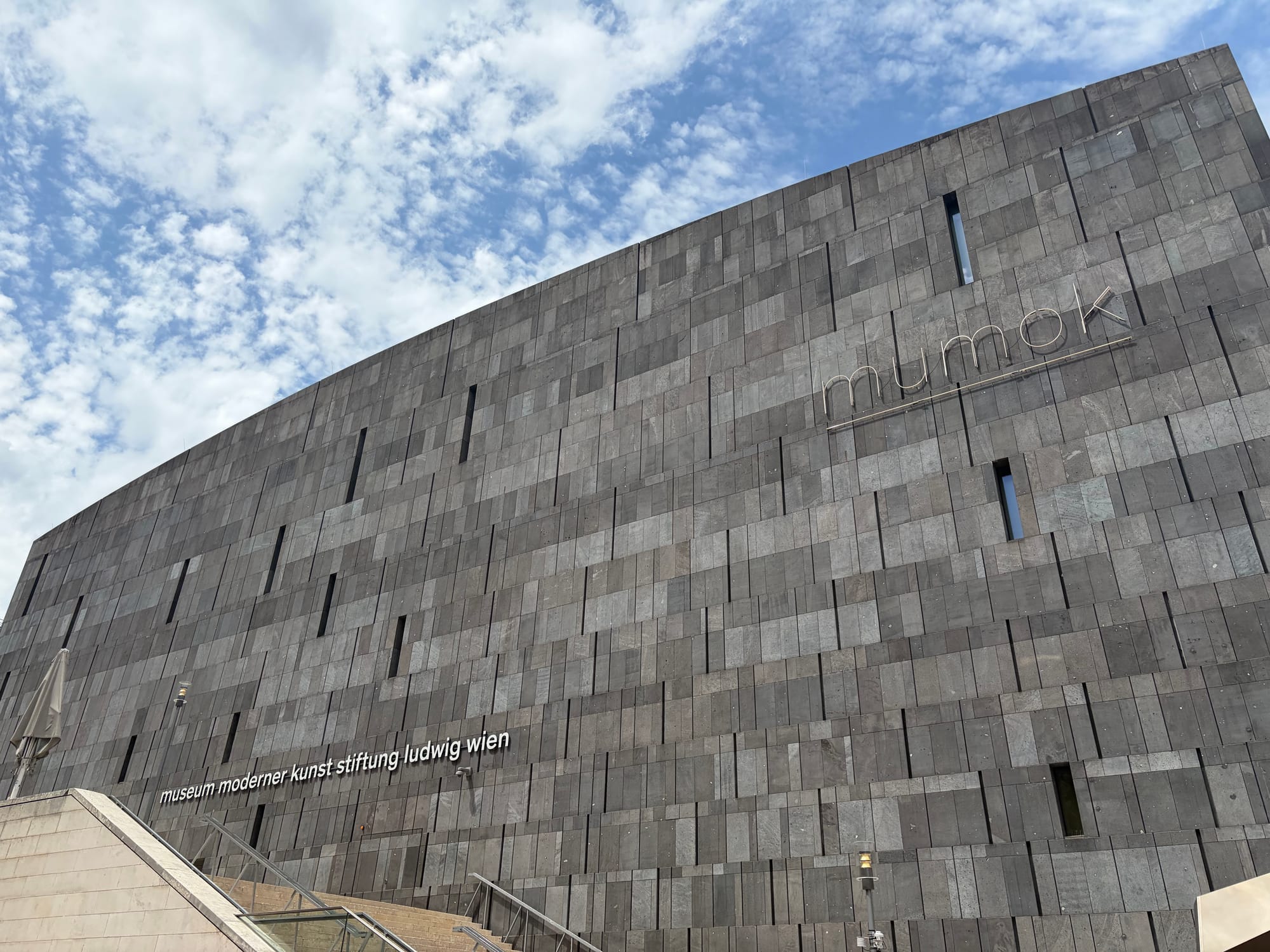
Although the museum is hosting two other incredible exhibitions, it is „Prologue“ that, in my opinion, offers a balanced blend of ideas and approaches from both projects, allowing you to quickly familiarise yourself with each of them and set off to explore the galleries further, fully prepared. The very concept behind the title suggests that this is the exhibition with which one should begin a visit to the museum. You know, it is presented not merely as a literal beginning, but as a short chapter detached from the main narrative, which becomes almost the most important part of the story once you see the picture as a whole.
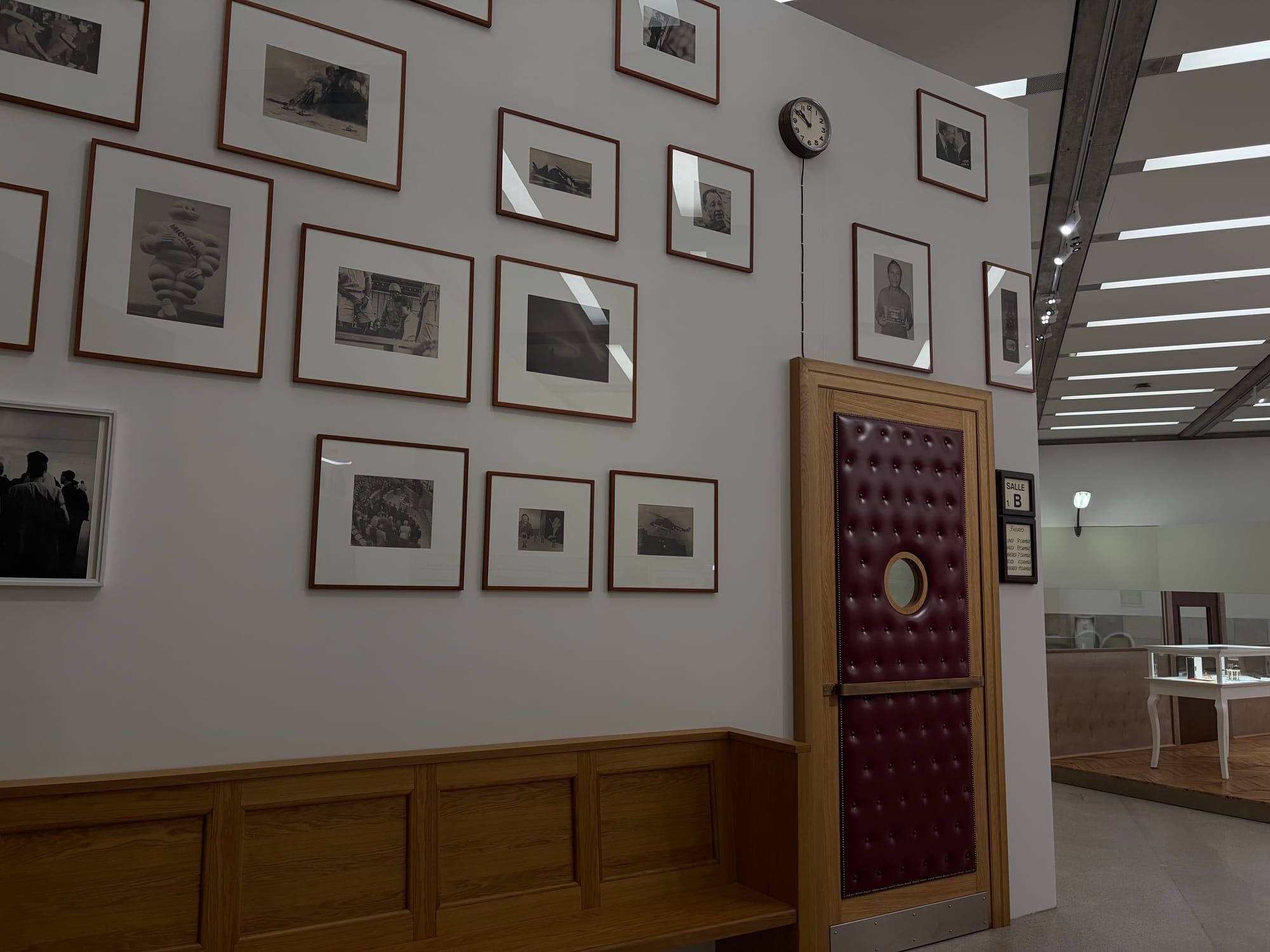
I could go on at great length about my love for museum projects in which the institutional burden is lifted from the shoulders of young artists, who are given resources and space, materials and texture. This is exactly what we can tell about Anna Viebrock, who created an exhibition that resembles theatrical sets – sets that constantly change shape and offer a new experience with every glance.
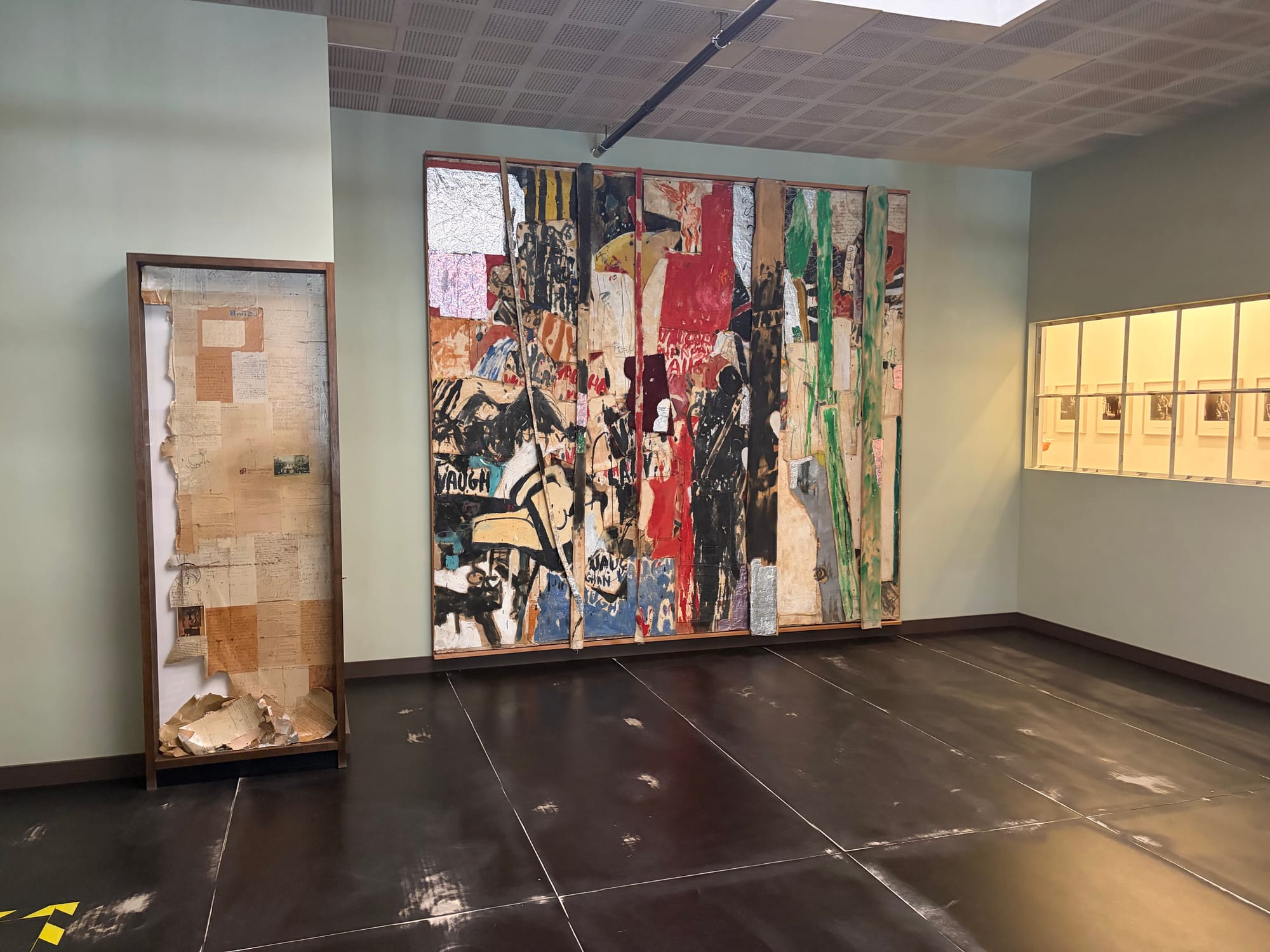
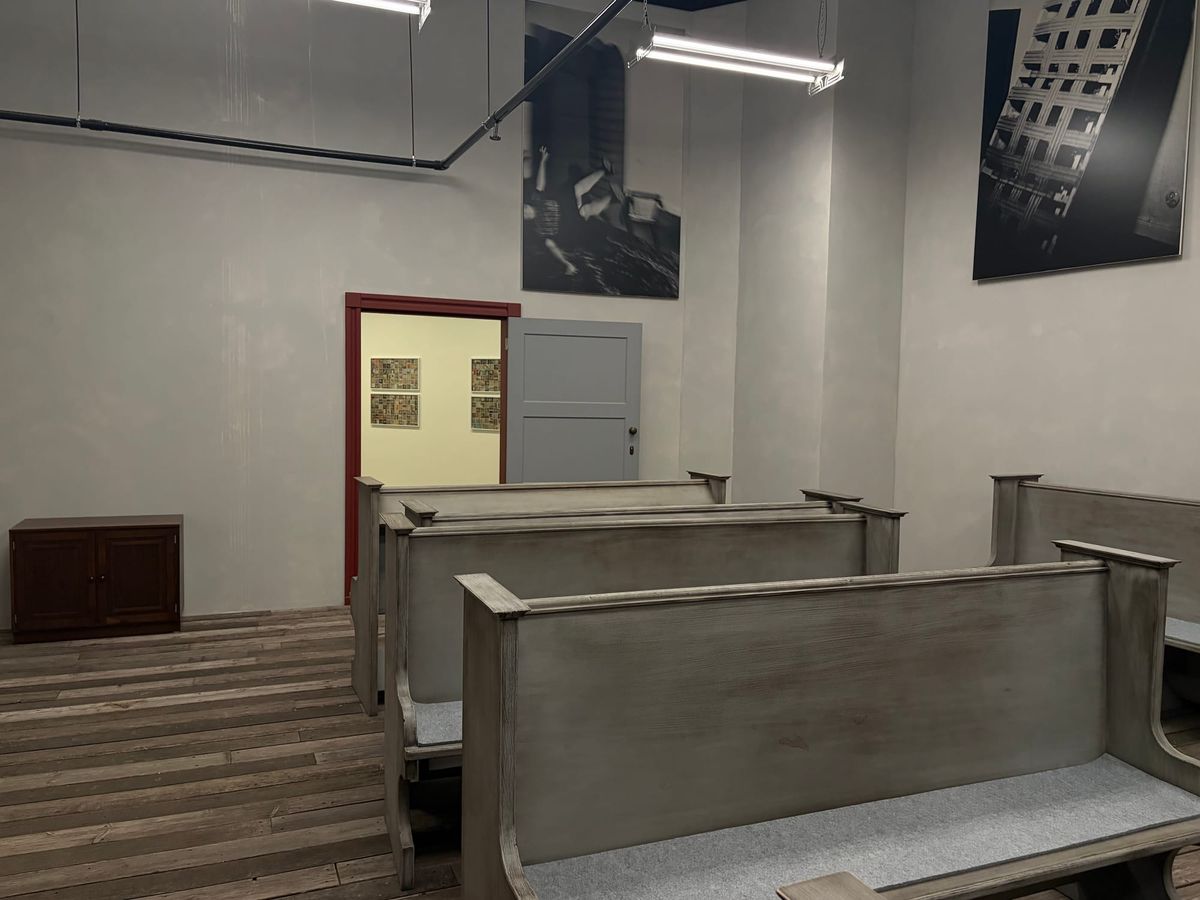
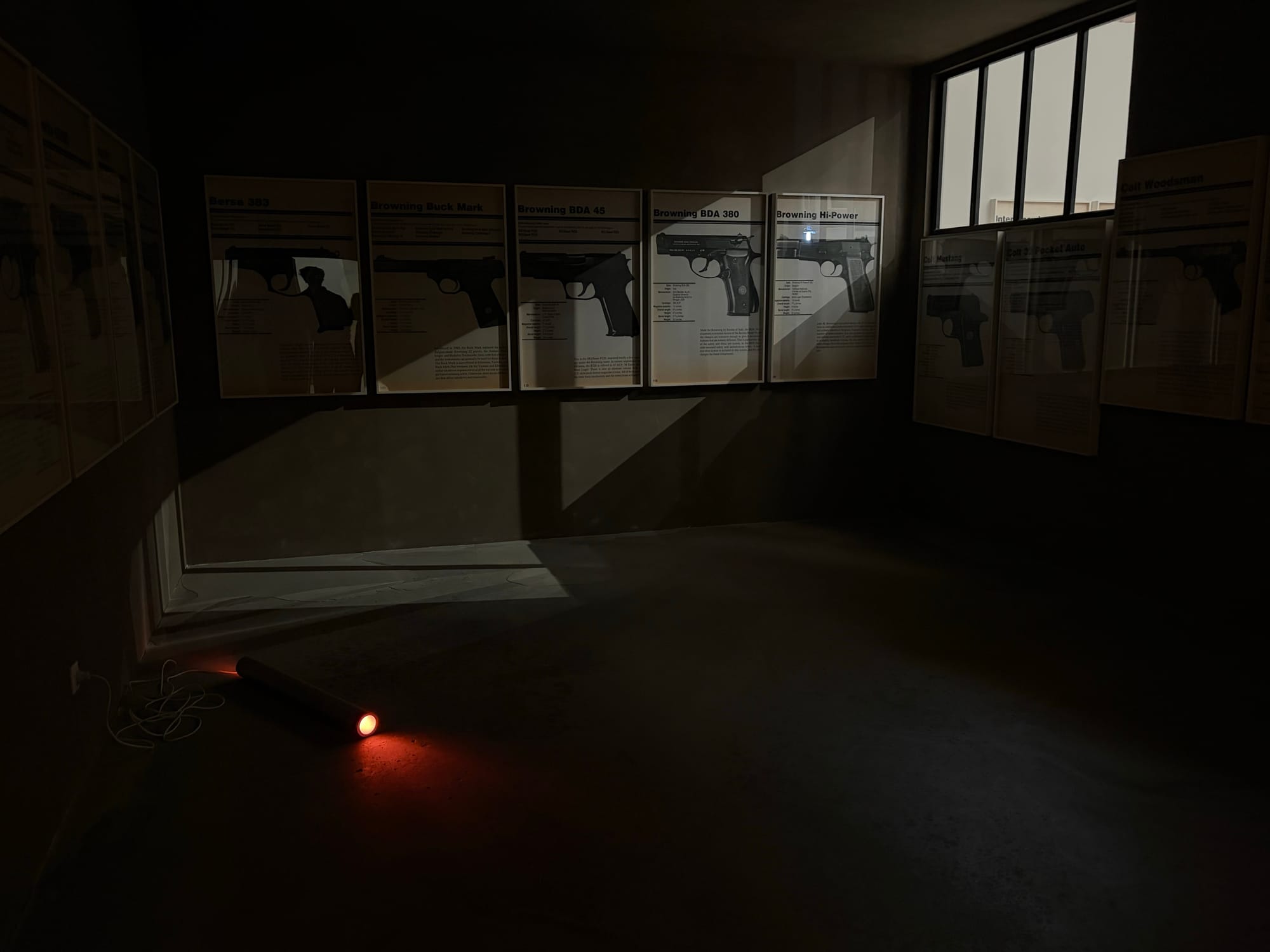
In ‘Prologue’, there are none of the usual curatorial texts and labels stuck to the walls, nor the familiar sterile walls of the white cube or its strict geometry. An effort has been made to do away with the trappings of a museum, and only the gallery attendants strolling about remind us of where we are. ‘Prologue’, modelled on the homes of Wolfgang Hahn and Peter and Irene Ludwig—who built up the bulk of the museum’s collection — begins with a church-like hall bathed in cool, diffused light, branching off into a long corridor to the left and a passageway leading through to the main hall. It immediately becomes apparent here how each of the works serves as an extension of Viebrock’s overall scenography, and none of the works is more or less important depending on the artist or the medium. They are all equally important, as they form part of a larger whole, and it is only the map of the ‘building’ and the numbers in the brochure that reveal information of each individual work.
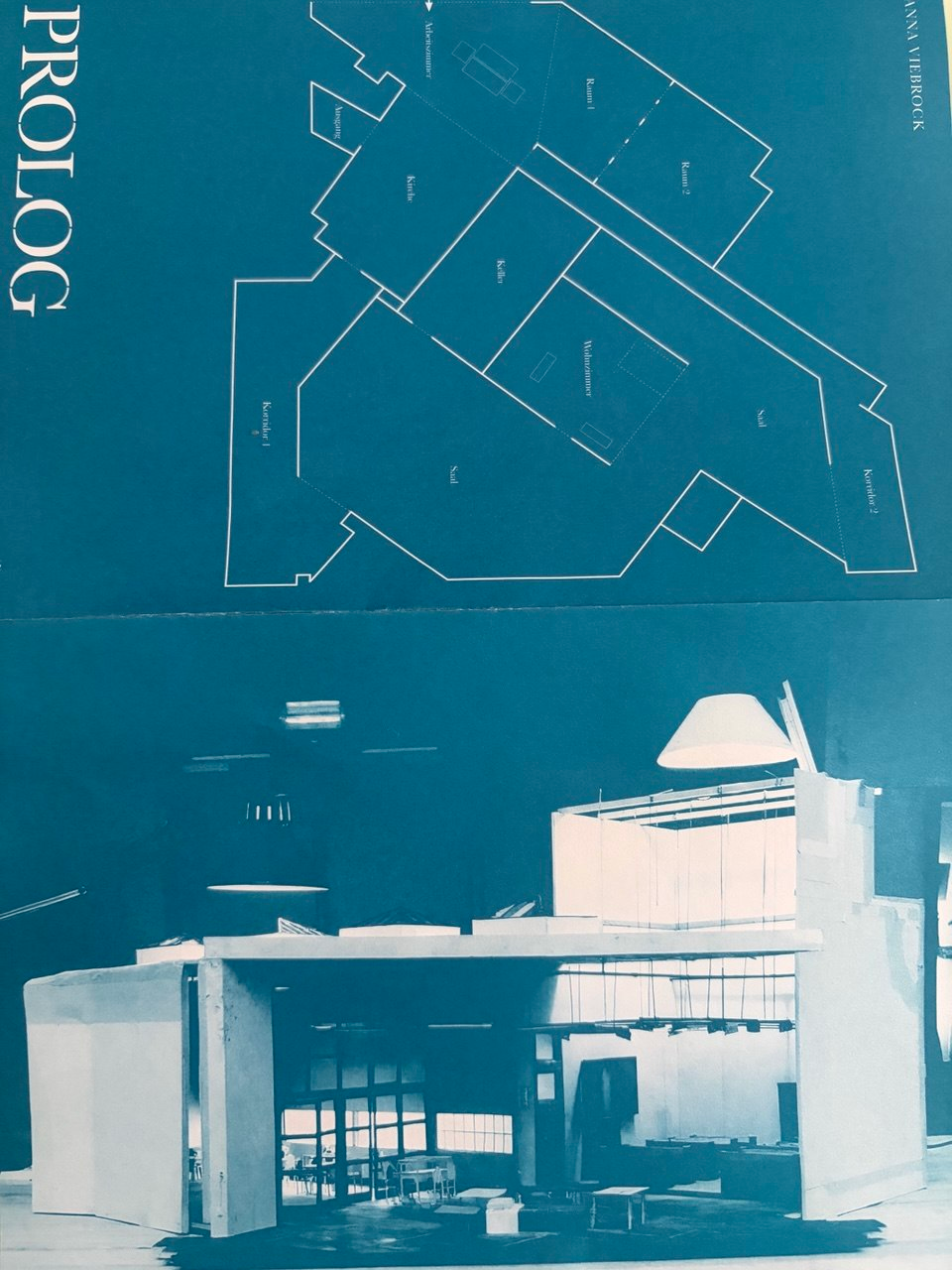
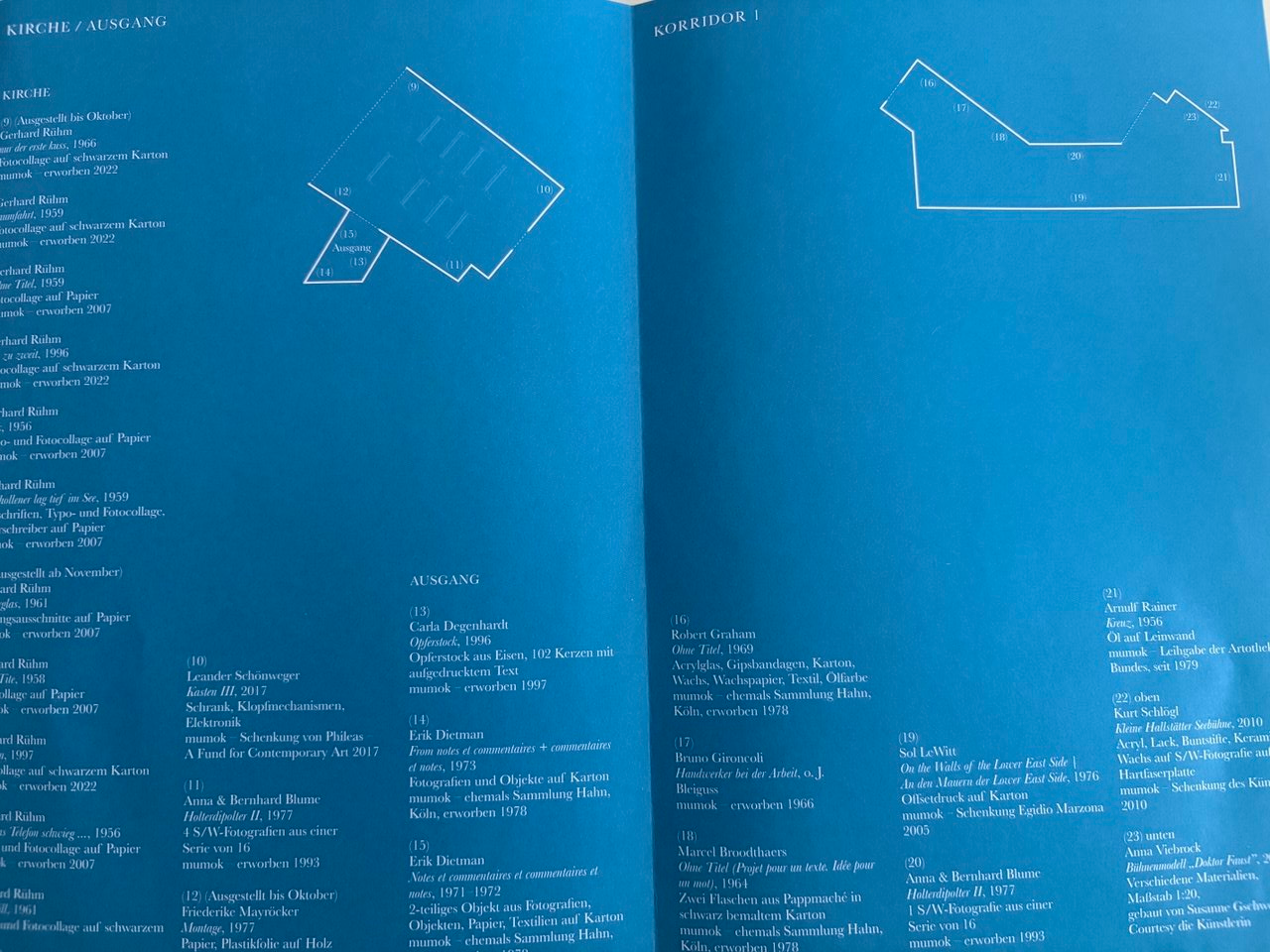
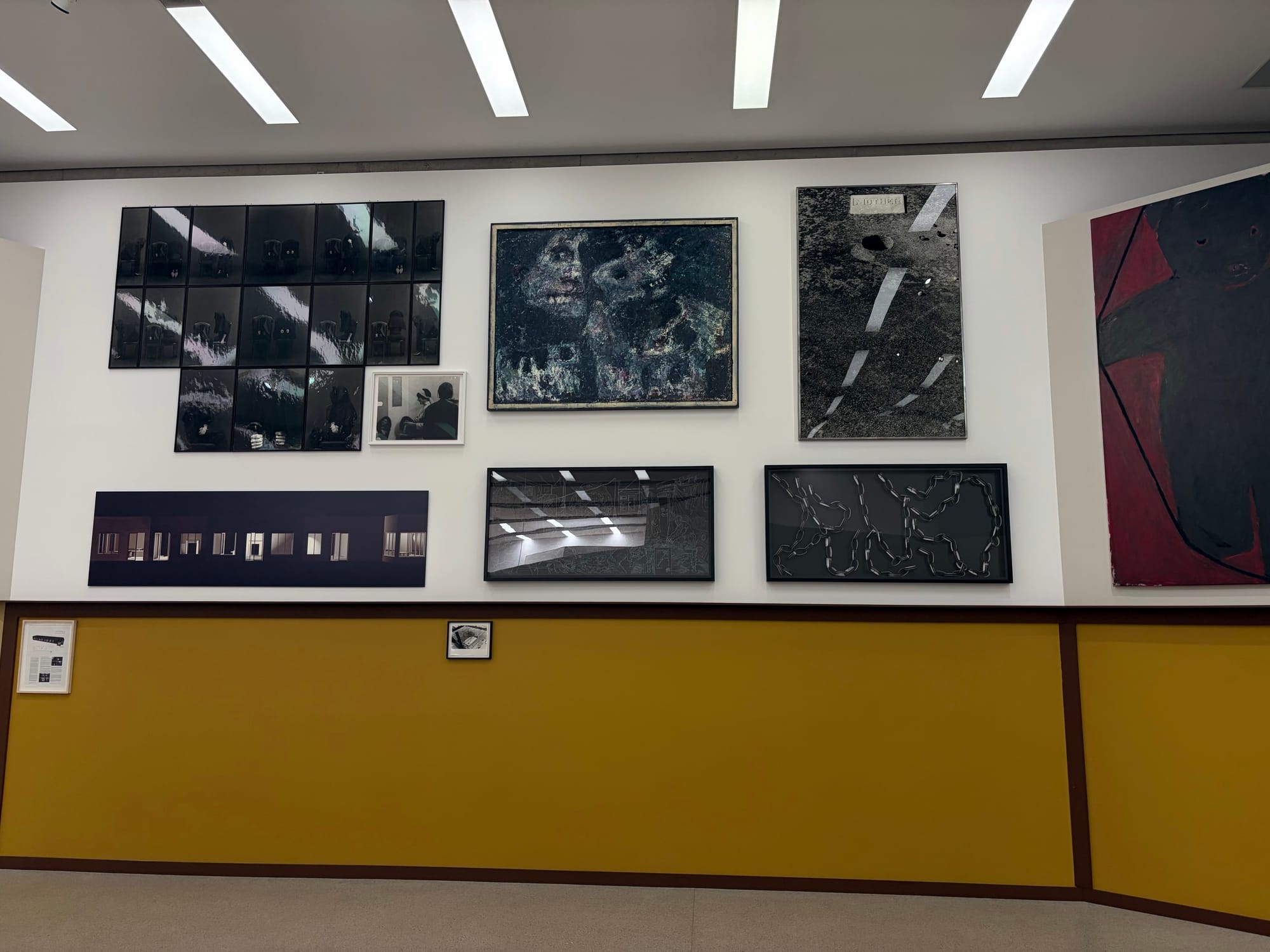
And this is what strikes me as important about the whole project: not only the diffusion of the real and the fictional, but the blurring of institutional frameworks, and the value of the works created within the museum’s walls. The works are significant not only because of the names, techniques and history behind them — the visitor encounters them as materials, textured objects arranged in a particular way within a specific space. Here, new aspects of art are revealed, aspects that usually remain hidden behind the extensive work of the exhibition team. In ‘Prologue’, art is raw, open to interpretation and to forging connections with visitors. And the works, which seem to burst chaotically into our reality through walls, floors, light and sound, only add depth to this seemingly simple, yet so rarely used, idea of ‘lightening’ the conversation about art.
By Daniil Tokarev