A Different Kind of Gallery: Arina Izmestieva on Funny Weather
We spoke with Arina Izmestieva, founder of Funny Weather, about rethinking sculpture, making art collecting more accessible, and her inaugural outdoor exhibition Strange Objects, on view in Hampshire until 12 November 2026.
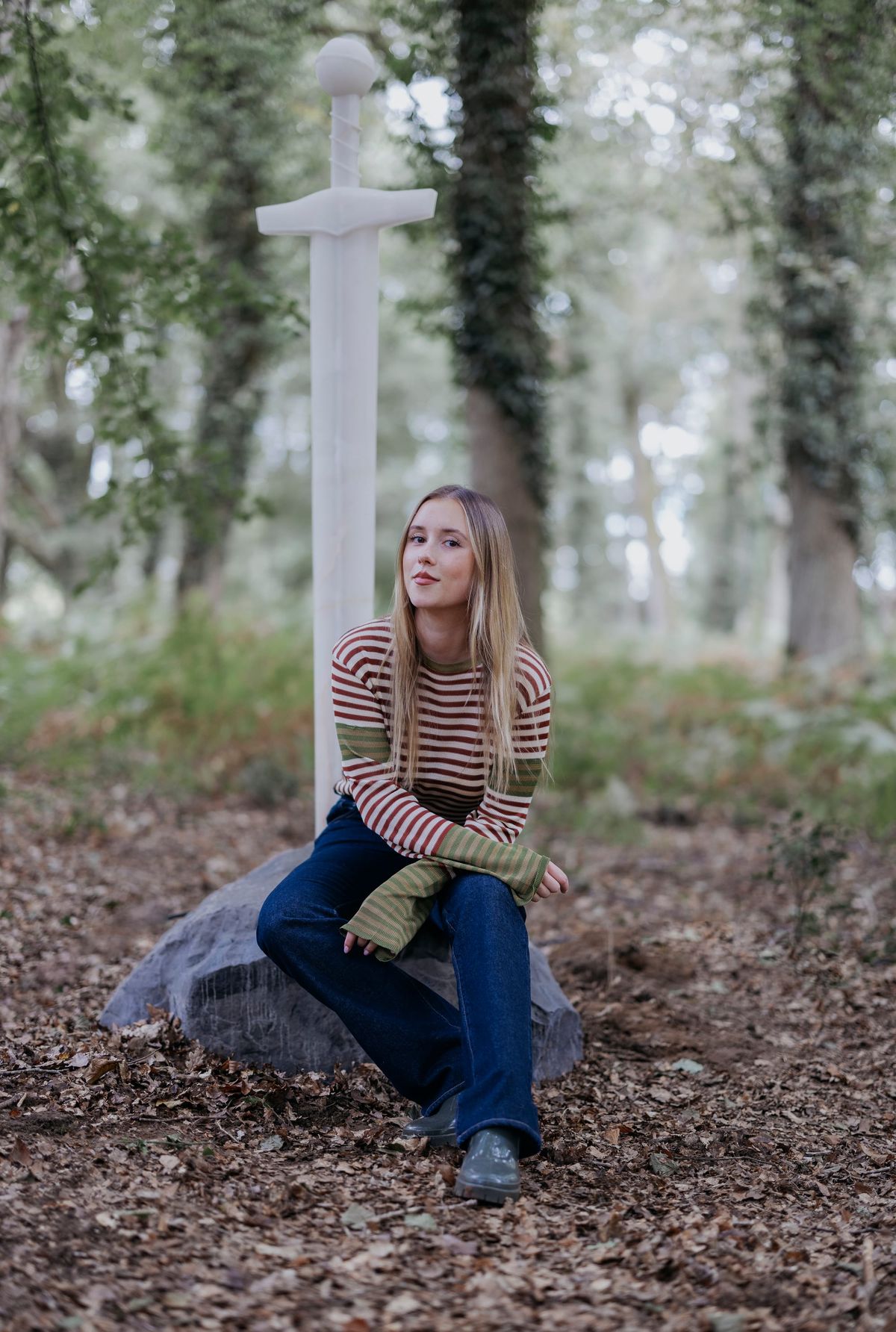
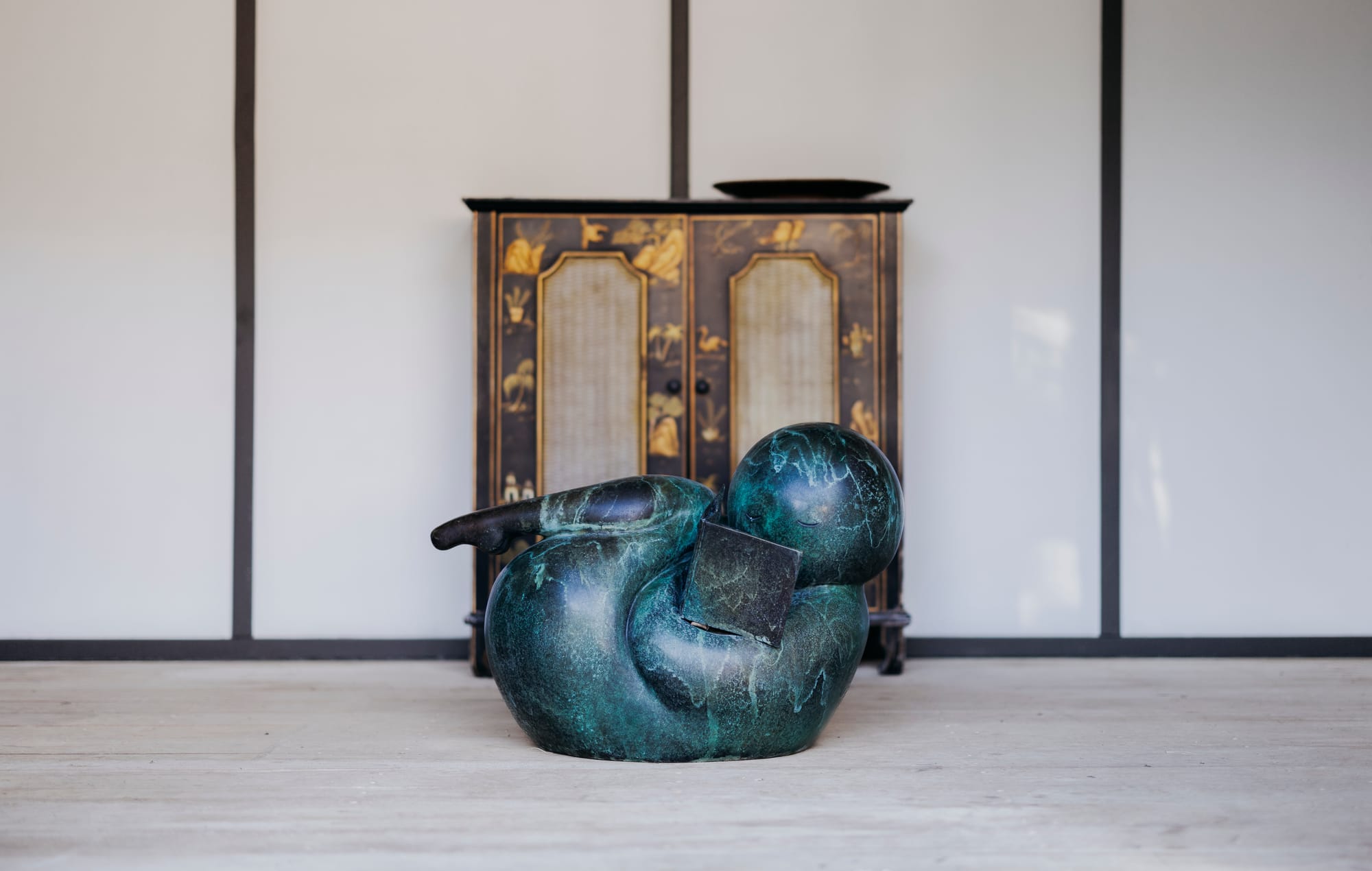
With Funny Weather, artist and collector Arina Izmestieva is bringing sculpture beyond the traditional gallery walls and into the Hampshire landscape. Its inaugural exhibition, Strange Objects, features 32 works by eight artists and invites visitors to experience art in a more natural, accessible setting. We spoke with Arina about the inspiration behind the project, the relationship between sculpture and its surroundings, and her vision for making art collecting more approachable to a new generation.
1. What inspired you to create Funny Weather?
I’m an artist myself, and materiality has always been something I was drawn too, especially after my NYU thesis exhibition centred around Ceramics, I became more and more enamoured with sculpture. It is physical and tactile, and it asks you to move around it and experience it from different perspectives. I wanted to create a setting where that relationship could happen more naturally in a less confined space. Funny Weather is accessible to all, for the art lovers and beginners, a place where you can touch the work and enjoy the beautiful nature.
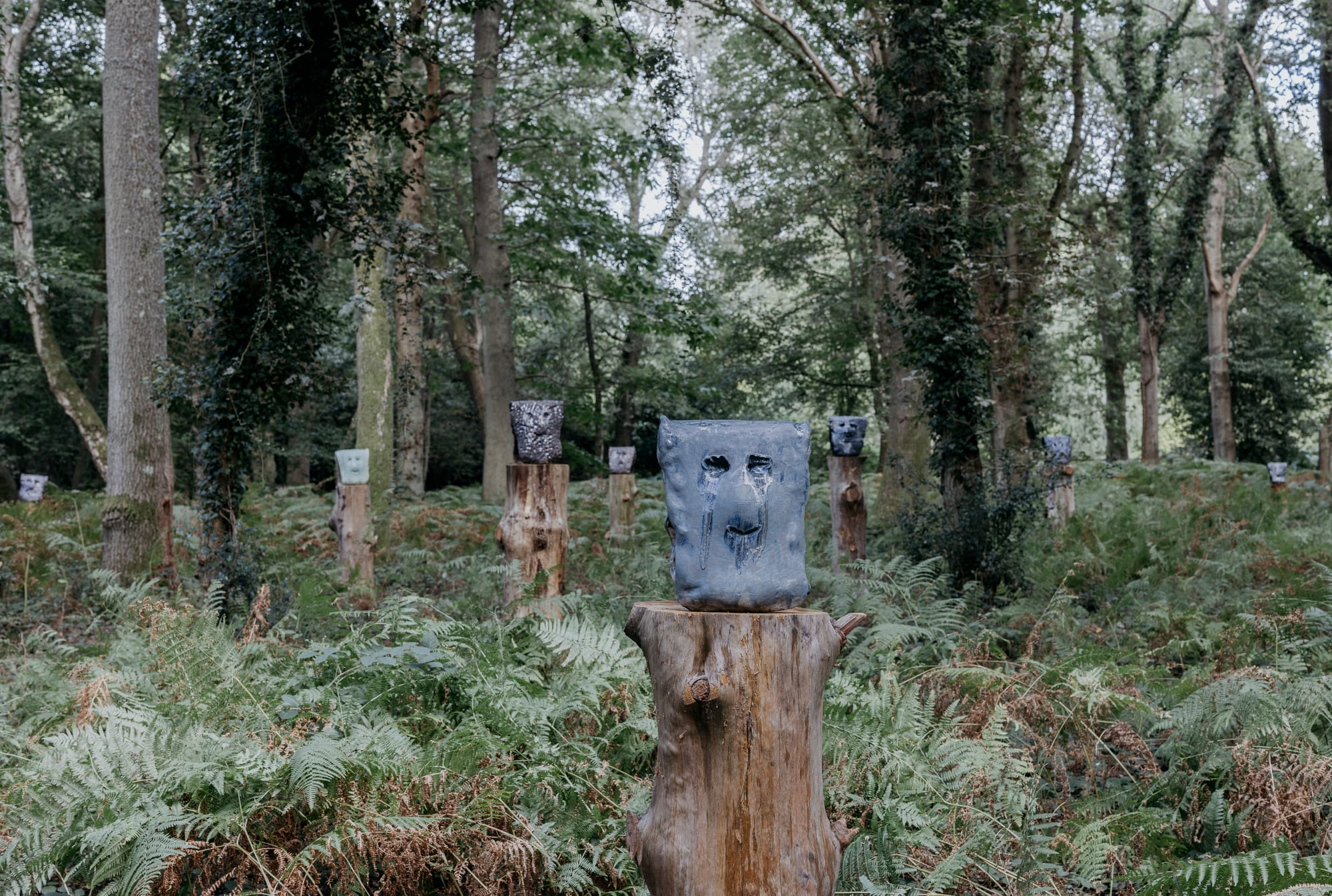
The idea for Funny Weather grew from wanting to bring sculpture outside the traditional space and give artists greater freedom to work with scale, material and landscape. Outdoors, the experience becomes much more instinctive. You might come across a work unexpectedly through the trees, see it from a distance and then walk towards it. The landscape isn’t simply a backdrop; it becomes part of the entire encounter.
2. As both an artist and a collector, what do you look for when choosing artists and works?
I think being both an artist and a collector inevitably shapes the way I look at work. I’m drawn to artists who have a very distinct language of their own, but also to work that has a strong relationship with material and especially process.
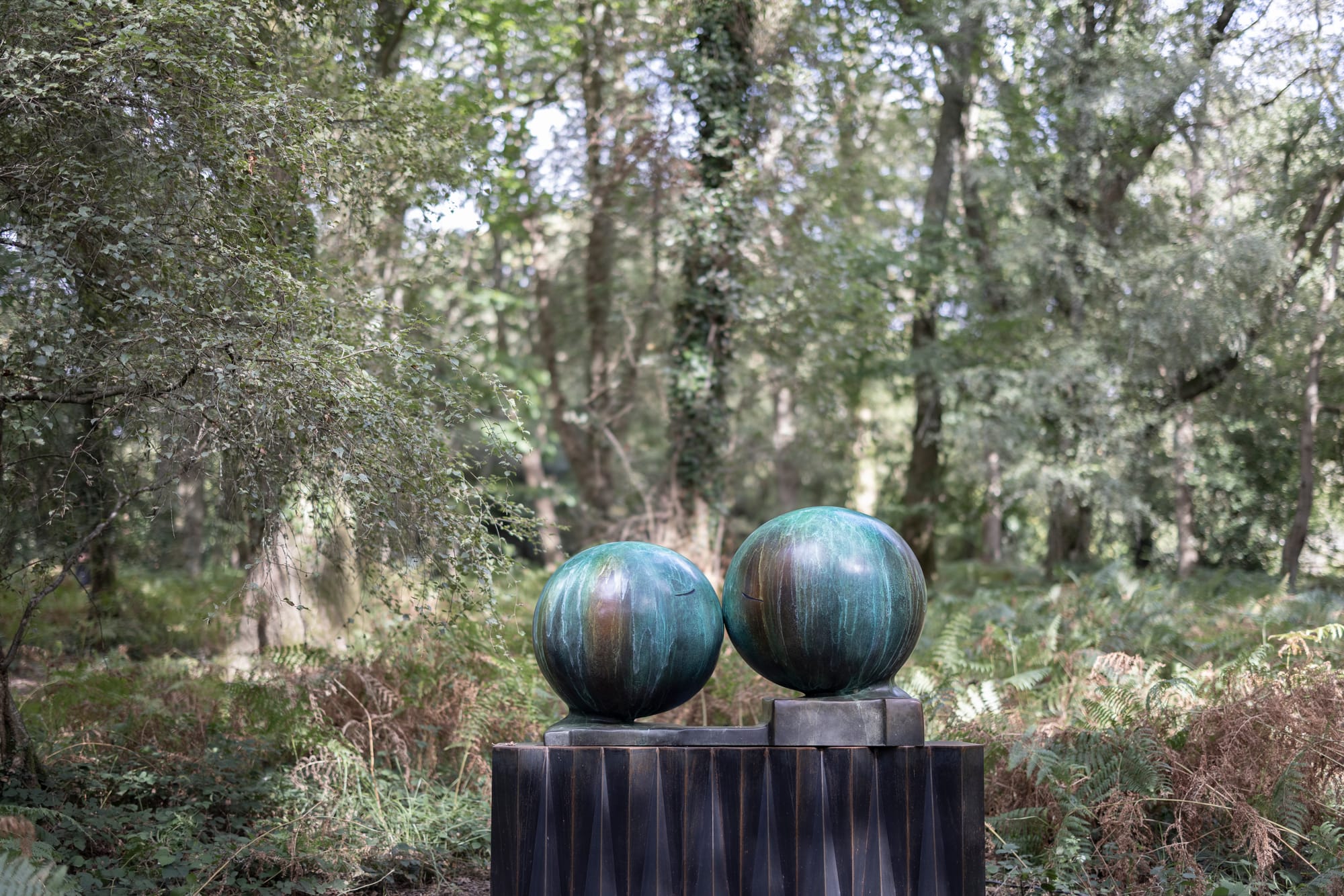
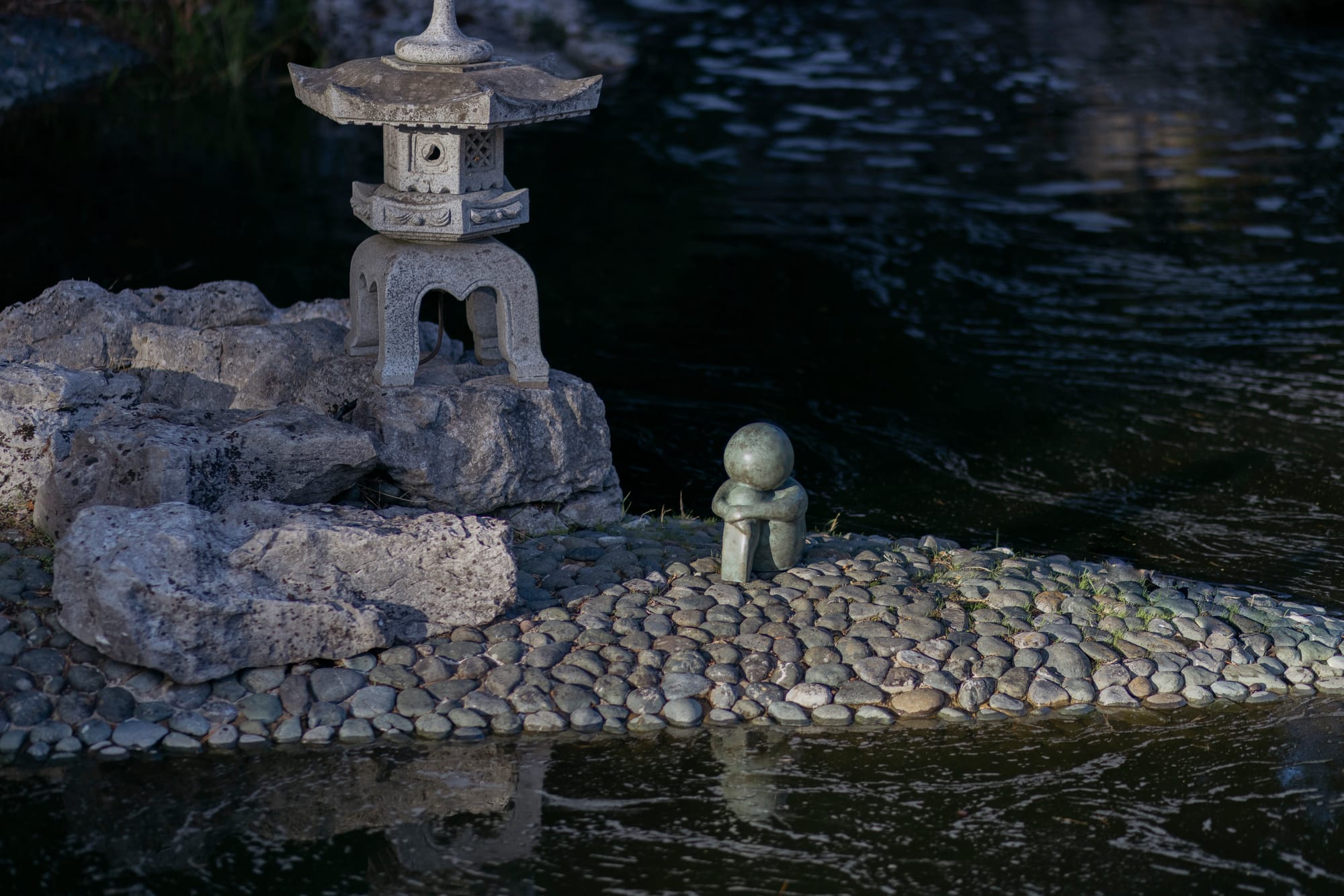
For Funny Weather, I was particularly interested in bringing together different generations and approaches to sculpture. Strange Objects includes artists working with bronze, stone, ceramics, found materials on site and existing elements of the landscape. Ultimately, I look for work that stays with me, work that makes me feel a certain way. The work I buy, I have to live with so it must be meaningful to me. There has to be something that makes me want to look again, walk around it, understand how it was made and simply live with it.
3. How does showing sculpture outdoors change the way we experience it?
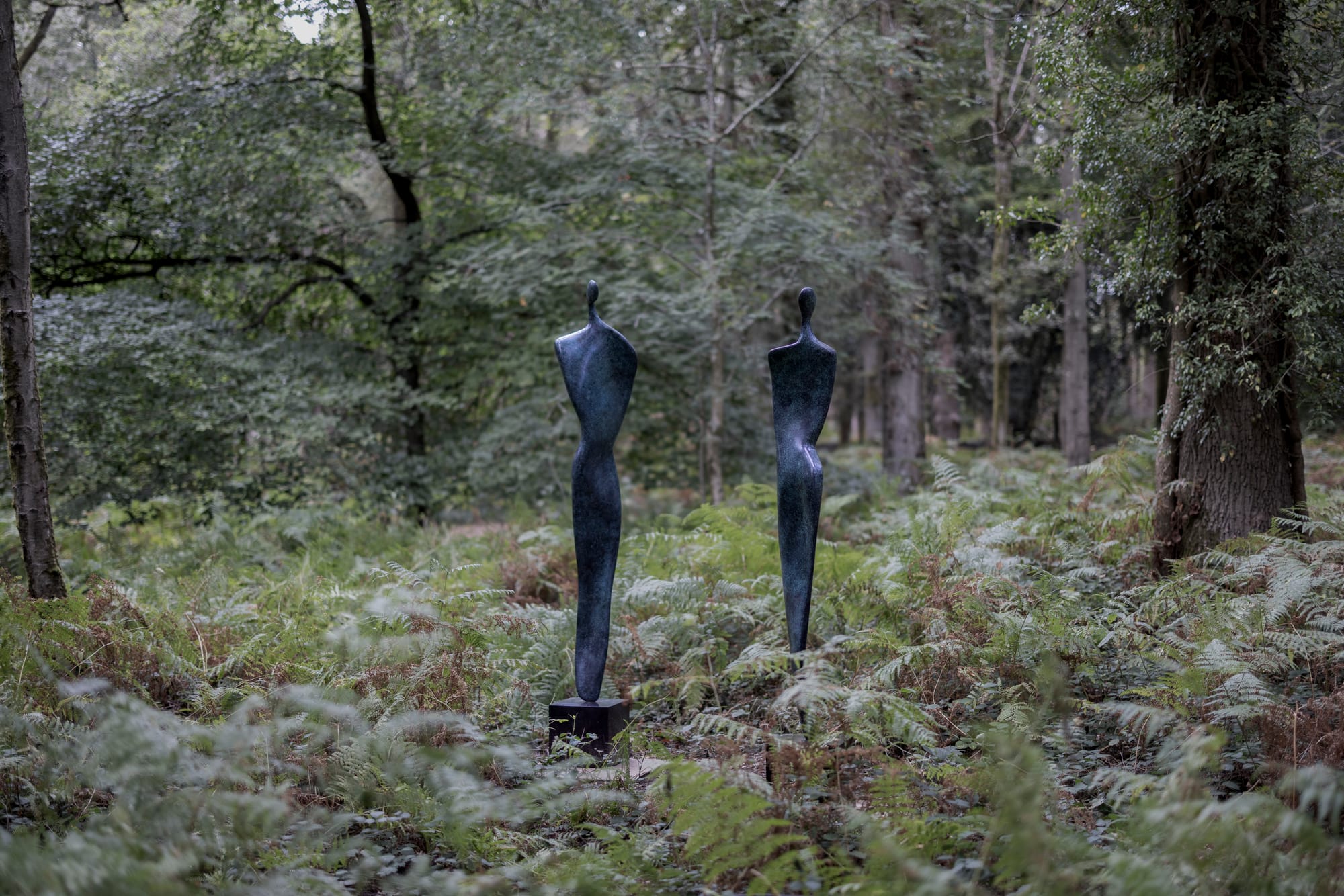
Everything around the sculpture is constantly changing. The light changes throughout the day, the weather changes, plants grow, leaves fall, and the landscape itself looks completely different from one season to another. That means the same sculpture can never really be experienced in exactly the same way twice. A work might feel monumental from one direction and almost disappear into the landscape from another. That physical relationship is particularly important with sculpture. You become much more aware of your own scale in relation to the work and to the landscape around it.
Funny Weather is positioned on a hill so the works appear in different order as you walk around. The experience is movement, rather than standing in front of an object, you are walking towards it and around it. You’re walking up and down the hill, different sculptures emerge from different viewpoints. While you’re at the exhibition you might see deers or rabbits, the forest is their home too!
4. What makes the traditional art world feel inaccessible, and what are you trying to do differently?
There is a new generation with both the interest and the means to collect art, but the structure of the market does not always serve them particularly well. Much of the established gallery system is necessarily focused on a relatively small group of collectors and on artists whose markets are already well developed. For someone looking to build a collection at an earlier stage, particularly at lower price points, the opportunities can feel less visible.
Collecting habits are changing. People are discovering and acquiring work through fairs, auctions, digital platforms and directly through new initiatives, alongside the traditional gallery model. I think that shift reflects a broader appetite for different ways of engaging with artists and building collections. Funny Weather is partly about creating another point of entry. My aim is to engage with this emerging generation of collectors, while creating opportunities for artists to reach a broader and evolving collector base.
5. What does accessible collecting mean to you — is it about price, setting, language or something else?
Personally, accessibility starts with how you encounter the work. Taking large scale sculpture outside the traditional gallery space creates a much more relaxed way of experiencing it. There is no prescribed route or confined structure: you can move through the landscape, approach works from different directions, spend time with them and experience them at your own pace.
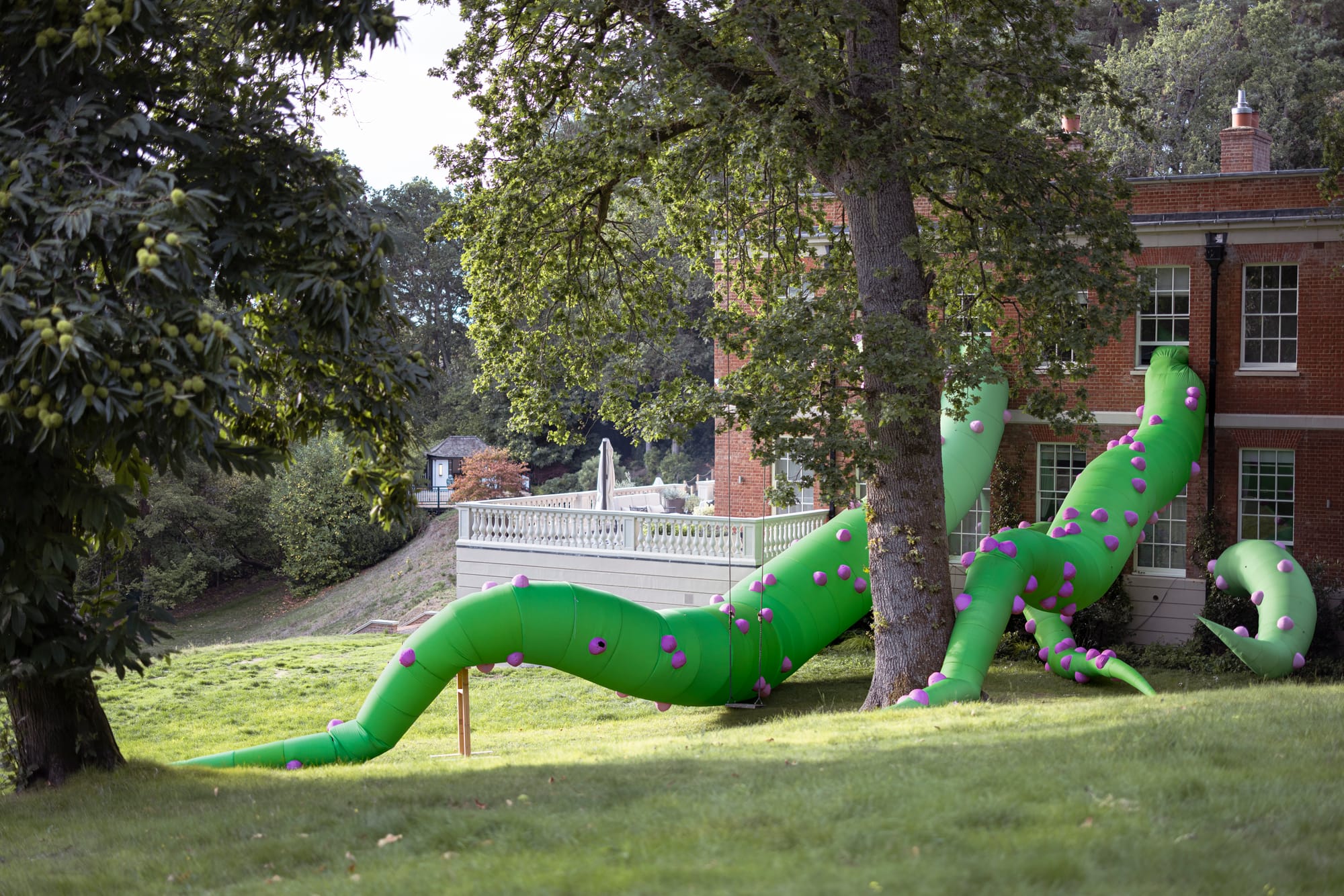
That freedom extends to the artists as well. Working outdoors creates possibilities in terms of scale, and space that are much harder to achieve within the physical limitations of four walls. It allows artists to think differently about how a work is made and how it exists in relation to its surroundings.
I wanted that openness to extend to collecting. Funny Weather is a place to discover artists, spend time with their work and explore the idea of acquiring sculpture in a very natural way. Price is inevitably part of accessibility too, so it was important that Strange Objects included works across a broad range, starting at £2,750, creating genuine opportunities for people at different stages of collecting.
6. What would you like Funny Weather to become in the future?
I see Funny Weather developing over the next five to ten years as a wider platform for sculpture, with different exhibitions and formats existing under the Funny Weather umbrella. Over time, I would also like to build a permanent collection alongside the exhibition programme. The ambition is for Funny Weather to become both a living personal collection and an evolving platform: somewhere artists can make ambitious work, audiences can experience sculpture differently, and new collectors can begin to develop their own relationship with it.
An essential pillar to my work is continuing to support artists and giving them the scale and location to exhibit and connect with a new audience. I am already working on the second iteration and I can’t wait to share more!