Peggy Guggenheim in London: Interview with Gražina Subelytė and Simon Grant
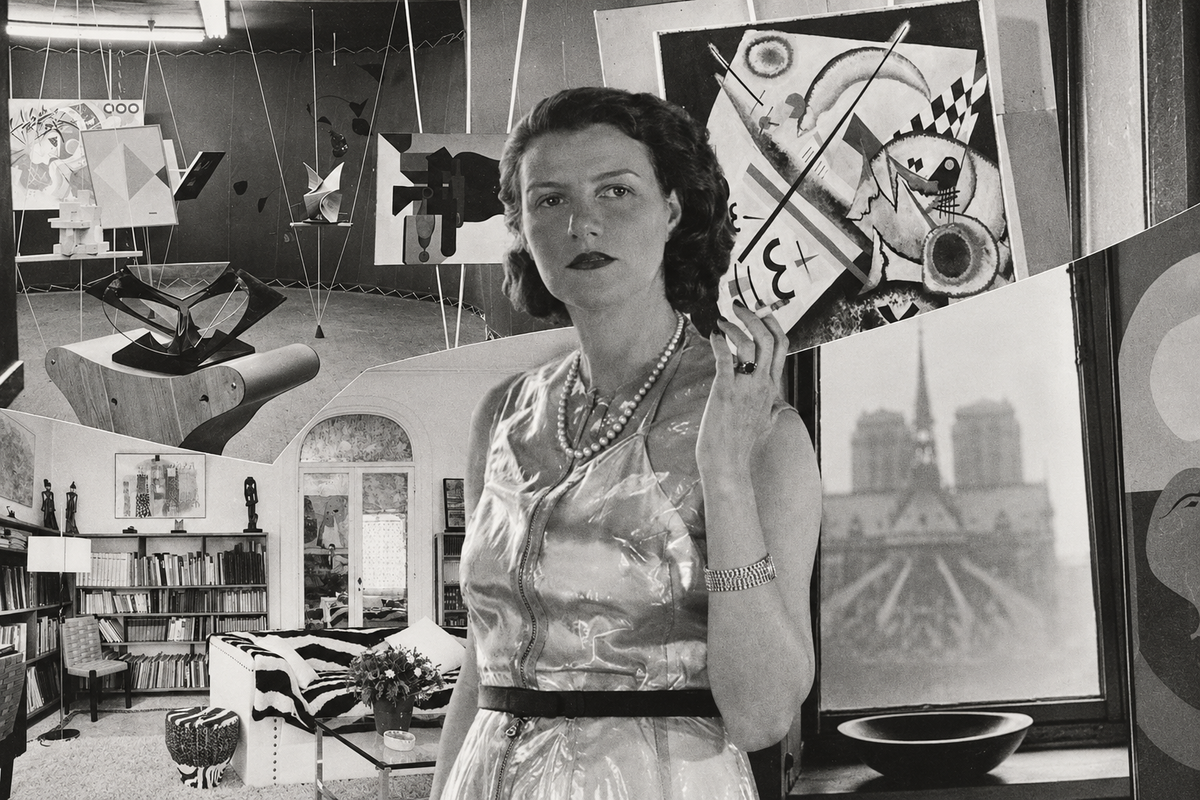
Before the opening of Peggy Guggenheim in London at the Royal Academy of Arts, curators Gražina Subelytė and Simon Grant discuss the collector's formative years and lasting influence on the art world.
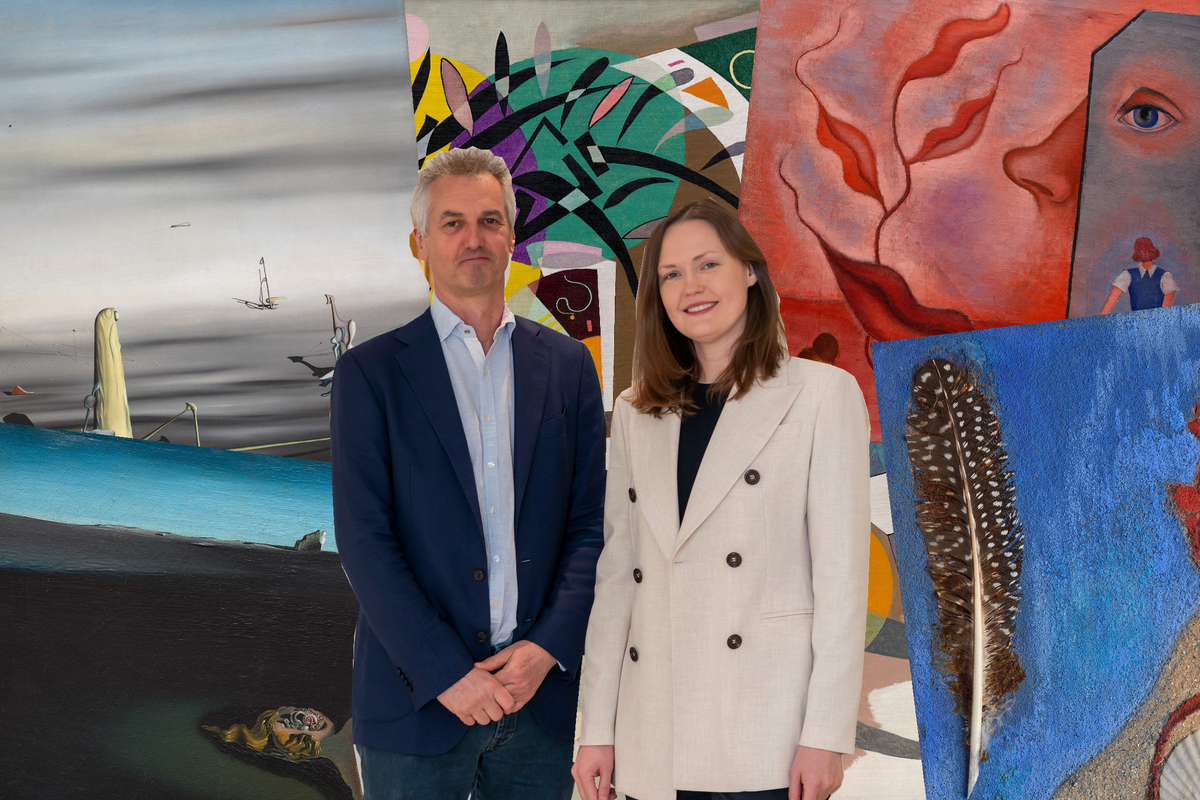
Ahead of Peggy Guggenheim in London: The Making of a Collector, opening at the Royal Academy of Arts on 21 November, we spoke with Gražina Subelytė, curator at the Peggy Guggenheim Collection in Venice, and Simon Grant, independent curator, about the London years that shaped one of the twentieth century's most influential collectors.
From opening Guggenheim Jeune in 1938 to challenging the art establishment and championing emerging artists, they discuss how Peggy Guggenheim developed her vision, the people who influenced her, and what today's art world can learn from her willingness to take risks.
1. Why was Peggy Guggenheim’s time in London such an important chapter in her development as a collector?
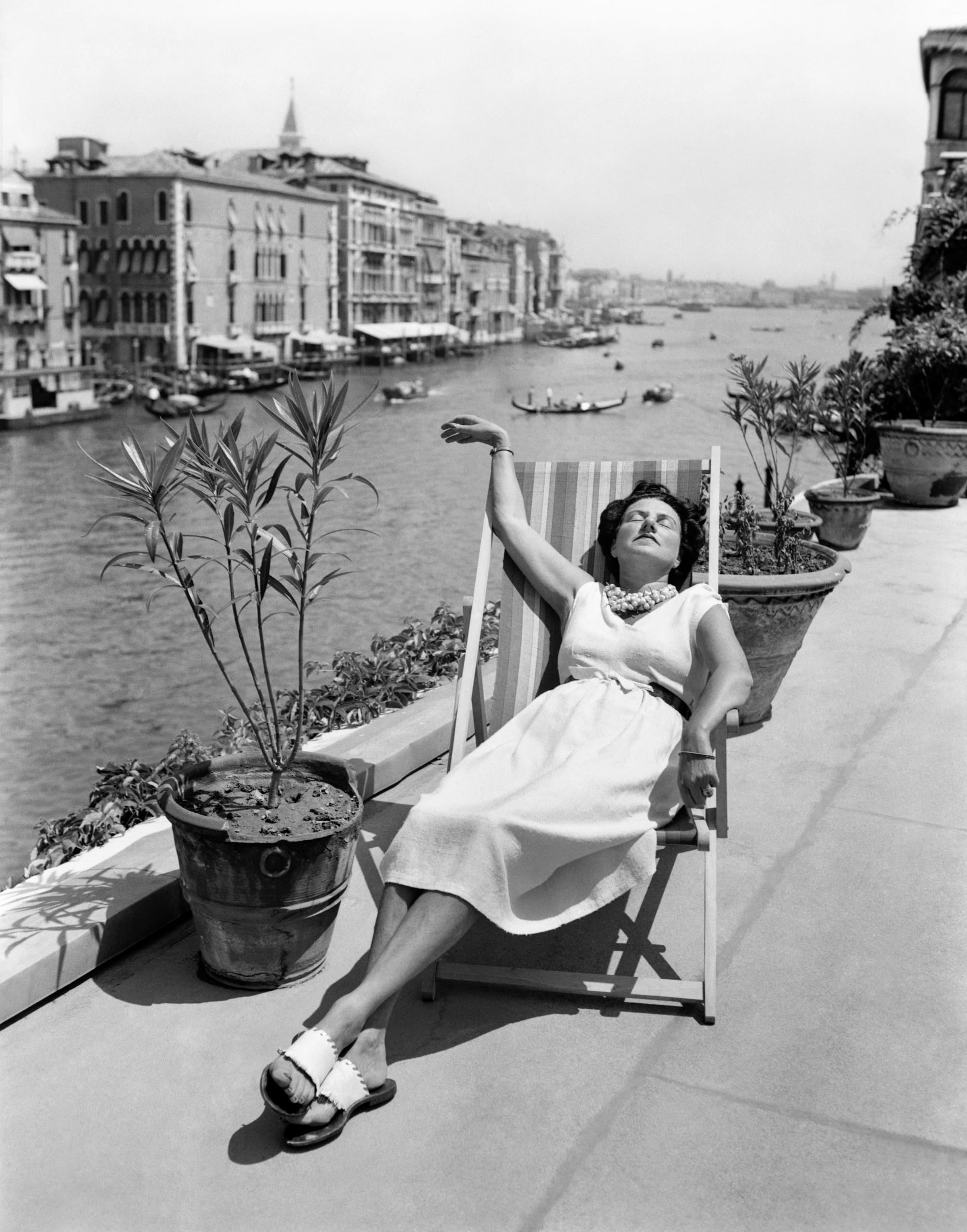
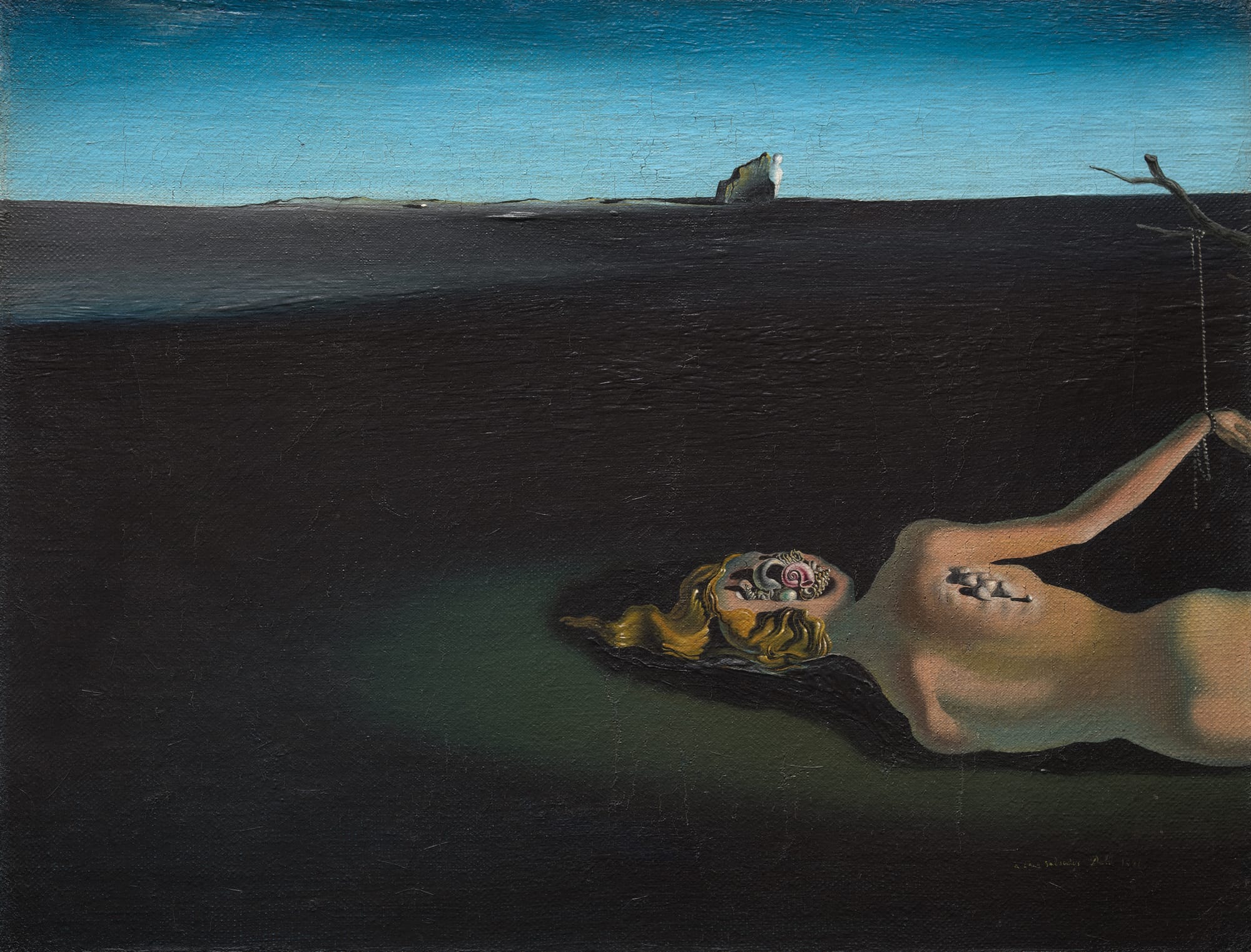
London was where Peggy Guggenheim began to understand collecting as something much more active than acquiring works of art. When she opened Guggenheim Jeune in January 1938, she entered a new world, taking responsibility not only for choosing artists but also for giving them visibility, creating opportunities for their work to be seen and encouraging audiences to engage with unfamiliar ideas. Over just 18 months, she organised 21 exhibitions, an extraordinary achievement for someone relatively new to the art world. It was a period of intense learning and discovery, during which she developed her eye, built relationships with artists and critics, and gained the confidence to trust her own judgement and that of her advisors. Most importantly, London was where she discovered that supporting the artists of her time was not simply an interest but a responsibility. This conviction would become the defining principle of her later activities in New York and Venice.
2. How did opening Guggenheim Jeune shape her taste, ambitions and understanding of the art world?
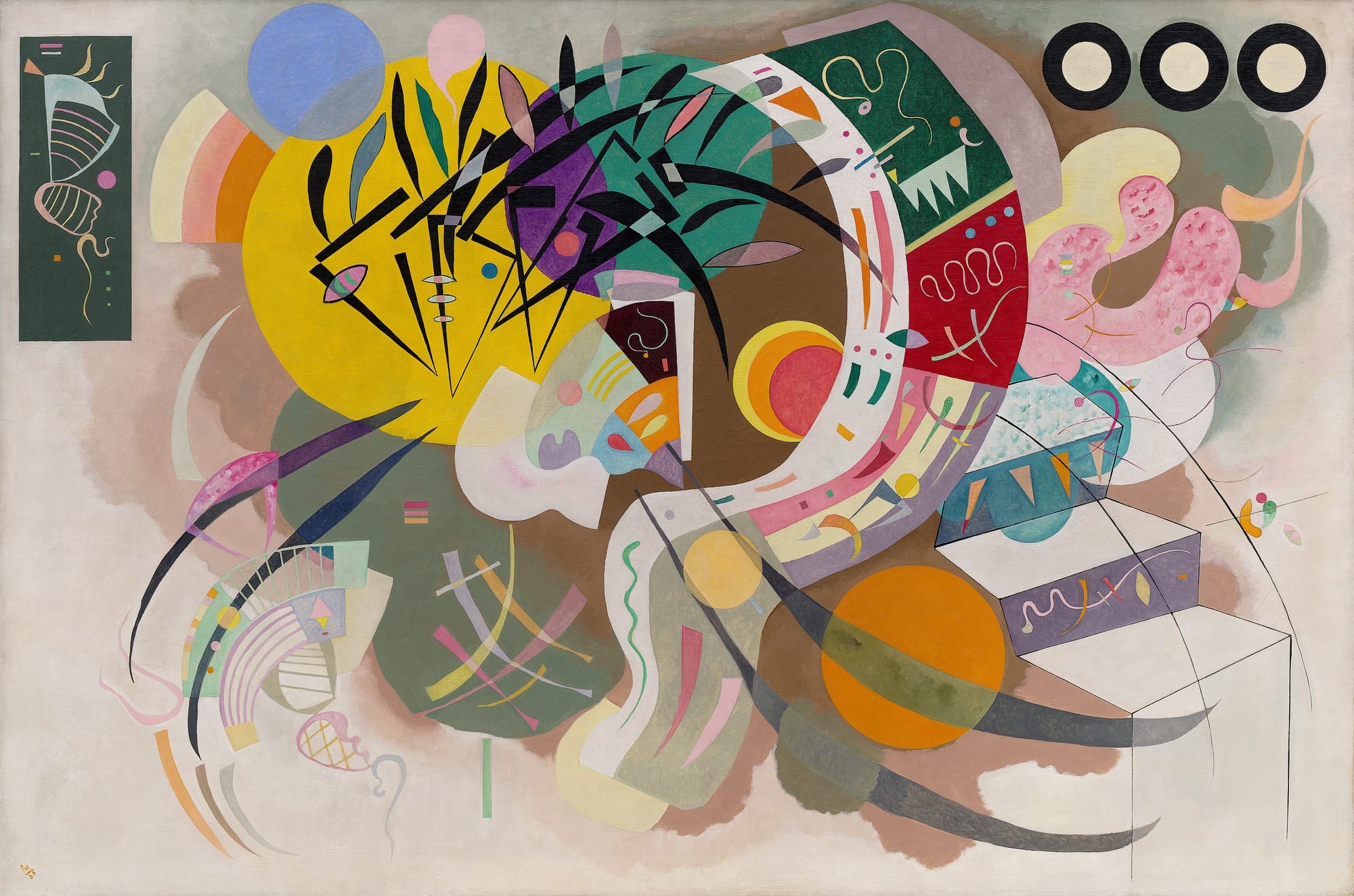
Running a gallery gave Peggy Guggenheim an education that collecting alone could never have provided. She had to make decisions, take financial and artistic risks, negotiate with artists, respond to critics and, above all, decide what she believed was worth showing. Her programme was remarkably adventurous, moving between abstraction, Surrealism, collage, sculpture, photography and applied arts. Rather than developing a narrow or rigid definition of modern art, she remained curious and receptive to different approaches. The experience of running a gallery encouraged her to think beyond individual acquisitions and towards a much larger ambition: creating an environment in which contemporary art could be encountered, understood and appreciated. Her later, unrealised, plan to establish a museum of modern art in London was an early indication of how far her ambitions had developed.
3. Which artists, friendships or encounters in London influenced her most strongly?
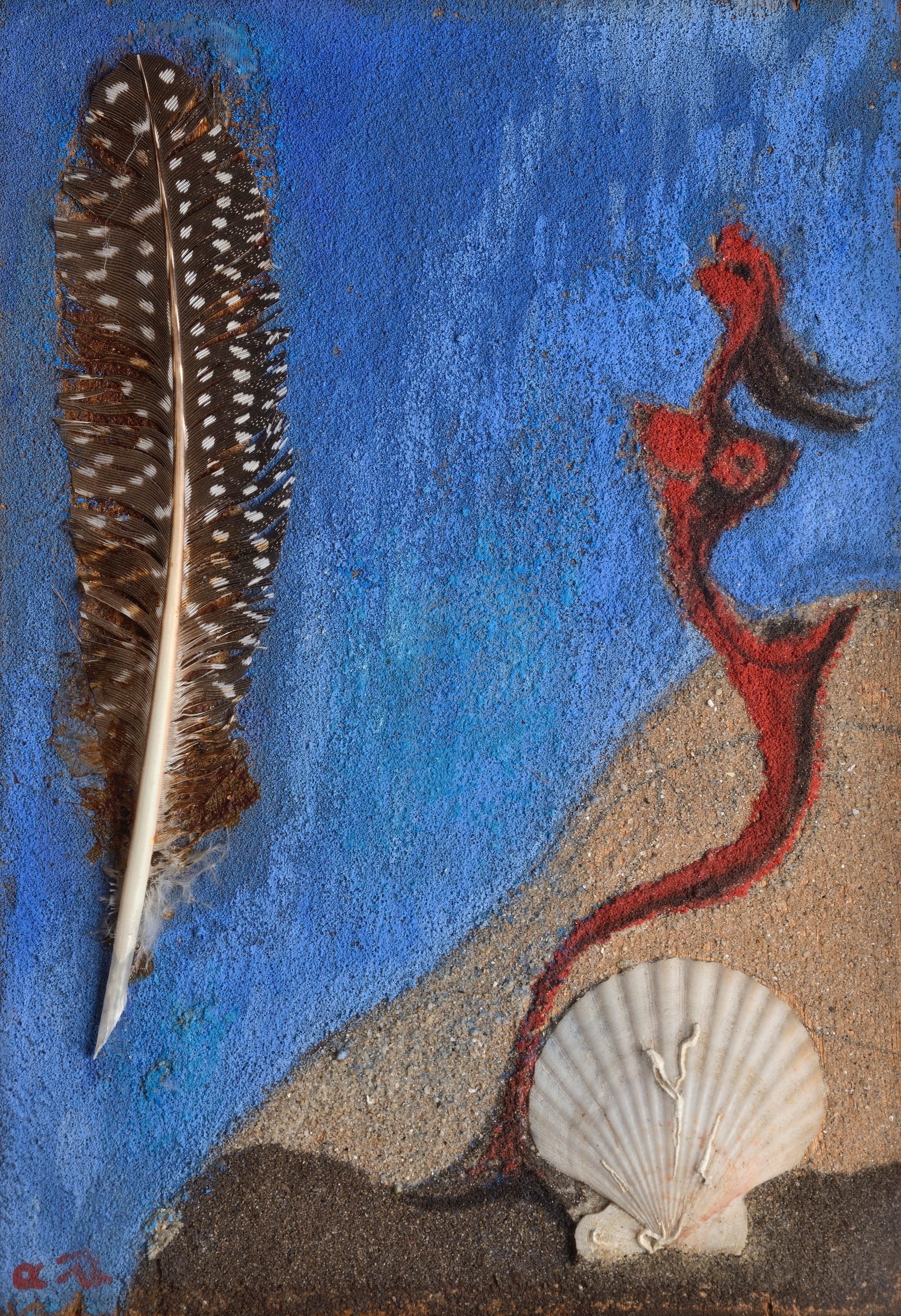
Marcel Duchamp was undoubtedly one of the most important figures in Peggy Guggenheim’s life. He became a trusted adviser, introducing her to artists and, famously, to the difference between abstraction and Surrealism. He helped her navigate the avant-garde circles. Yet her circle of influences was much wider. Samuel Beckett encouraged her to think of contemporary art as a living thing, an idea that seems to have informed the openness and diversity of her exhibition programme. Herbert Read provided intellectual support and helped her engage with the critical debates surrounding modern art, while Mary Reynolds, herself an artist and bookbinder, offered invaluable advice and also suggested artists for the gallery programme. Hans Arp helped to organise several shows. A key figure here is also Wyn Henderson, the gallery’s manager and Peggy Guggenheim’s indispensable collaborator, whose organisational skills, contacts and understanding of the art world were fundamental to Guggenheim Jeune’s success. These relationships were important not simply because of what Guggenheim learnt from them, but because they helped her develop the confidence to form her own opinions.
4. Peggy Guggenheim moved between the roles of collector, patron and gallerist. How did she define her own position?
It is possible that Peggy Guggenheim increasingly understood these roles as inseparable. Collecting was not, for her, simply about possessing beautiful or important objects. It was about recognising artists, supporting their development and ensuring that their work reached an audience. Running Guggenheim Jeune made this particularly clear: she was not just selecting works for herself but taking responsibility for presenting artists and ideas that were often unfamiliar or controversial in Britain at the time. She could be generous and committed, sometimes supporting artists even when there was little prospect of financial return. The customs controversy surrounding the 1938 Contemporary Sculpture exhibition is a particularly revealing example. When the authorities questioned whether certain modern sculptures that Peggy Guggenheim wanted to exhibit in the show could even be considered art, she and Wyn Henderson fought to defend both the exhibition and the artists involved. She was gradually defining herself less as a collector who happened to support artists and more as a patron whose collecting was part of a much broader cultural commitment.
5. How did she navigate a cultural world that was still largely controlled by men?
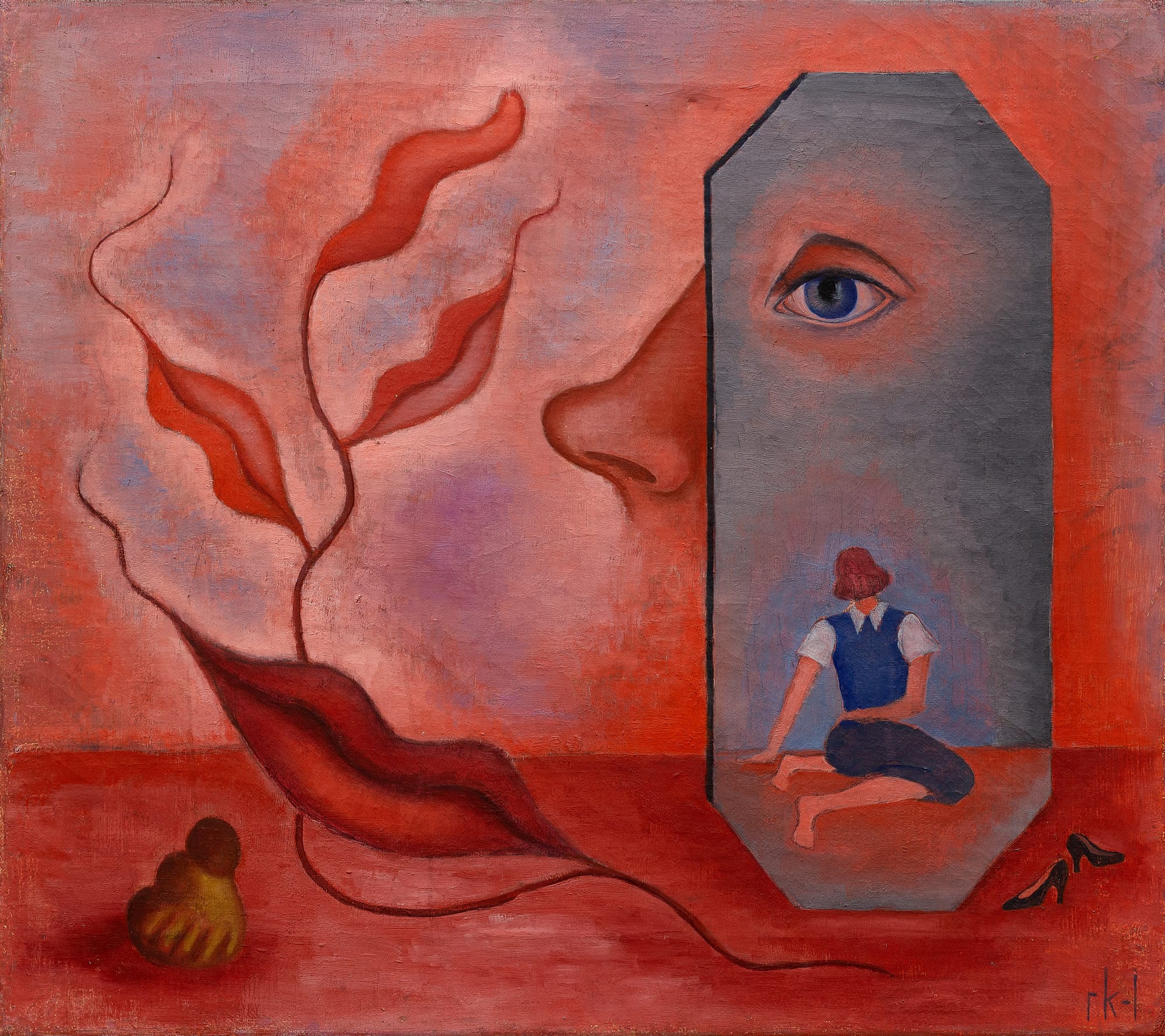
Indeed, Peggy Guggenheim entered an art world in which most of the established institutions, critical authorities and commercial networks were dominated by men. Yet she did not wait for their approval or try simply to fit into existing structures. She created her own platform and used it to present artists and ideas that she believed deserved attention. Of course, she also understood the importance of building relationships with people whose knowledge and experience could help her, and she was intelligent in seeking advice from figures such as Duchamp and Read. However, she was not merely following their recommendations. She was developing her own programme, making independent decisions and accepting the criticism that came with them. Her support for women artists is particularly significant in this context. Exhibitions devoted to artists such as Marie Vassilieff and Rita Kernn-Larsen, alongside the substantial presence of women throughout the gallery’s programme, demonstrate that her understanding of modern art was not confined to the established male-dominated narratives.
6. Is there a particular work, document or story in the exhibition that changes how we understand her?
For us, the story of the aforementioned 1938 Exhibition of Contemporary Sculpture is particularly revealing. Peggy Guggenheim had brought works by artists such as Alexander Calder, Jean Arp, Sophie Taeuber-Arp, and Constantin Brancusi, from Paris to London. When the Tate’s director, James Bolivar Manson, refused to certify some of the sculptures as works of art for customs purposes, dismissing them as ‘idiotic’ and ‘not art’, the works were detained and import duties imposed. Guggenheim and Wyn Henderson organised a campaign of protest, eventually attracting the attention of Parliament. The decision was ultimately reversed. What makes this episode so important is that it reveals Peggy as much more than an adventurous collector or enthusiastic gallerist. She was prepared to defend the very definition of art and to challenge the institutions that had the authority to determine it. The exhibition became the gallery’s most visited show, but its significance went far beyond its success with the public. It demonstrated that Guggenheim was willing to put her reputation and resources behind the artists she believed in.
7. How much of her collection was guided by instinct and personal relationships, and how much by a conscious desire to shape art history?
We think the two were closely connected. Guggenheim certainly had a strong instinct for art. She was also very receptive to the people around her, and friendships with artists and advisers often opened doors to new movements and ideas. But we would hesitate to describe her collecting as purely intuitive or accidental. Her decisions also suggest a growing awareness of the importance of identifying and supporting the artistic developments of her time. She was interested in understanding the different directions modern art could take, and the breadth of her exhibitions suggests that she was constantly testing and expanding her own ideas.
8. What can today’s collectors and cultural institutions learn from her willingness to take risks and support emerging artists?
Peggy Guggenheim’s example is particularly relevant today because it reminds us that supporting contemporary art requires more than simply recognising established reputations. It means being prepared to look beyond what is familiar and to give artists opportunities before their importance has been fully acknowledged. Guggenheim was not always right, of course, but she was willing to take risks and to experiment. That willingness to take chances was essential. Her example also shows that supporting artists involves more than purchasing their work: it means creating spaces in which they can be seen, facilitating encounters and helping their ideas reach wider audiences. Above all, it is a reminder of the importance of remaining open and curious. Perhaps the most valuable lesson is that collecting and patronage should not simply reflect the history of art as it is understood today. They should help make possible the art history of tomorrow. This idea was already clearly expressed in the press release for the opening of Peggy Guggenheim’s New York museum-gallery, Art of This Century, in 1942, following her earlier gallery in London: it “will serve its purpose only if it succeeds in serving the future instead of recording the past.”
For more on the woman behind the collection, read our article about Peggy Guggenheim:
 Hyper Culture Collective
Subscribe to our newsletter!
Weekly and monthly roundups of the best of London.