Sally Bent on the Future of London Art Fair: New Voices, New Collectors and What's Next
Ahead of London Art Fair's return from 20–24 January 2027, we spoke to its Director, Sally Bent, about the changing art market, a new generation of collectors, emerging artistic voices, and what's in store for this year's edition.
London Art Fair returns to the Business Design Centre in Islington this January, bringing together established names in Modern British art, contemporary galleries and emerging talent from around the world. Running from 20–24 January 2027, the fair will also feature a special presentation by Sheffield's Graves Gallery and a programme exploring community, identity, and belonging. We caught up with the Fair's Director, Sally Bent, to discuss the thinking behind this year's edition, the importance of connecting artists and audiences, and what success looks like beyond the numbers.
1. London Art Fair opens the international art calendar each January. What role do you think the fair plays in the UK art market today?
As the first major art fair of the year, London Art Fair offers an important moment for the art world to come together, take stock and look ahead. For collectors, it's an opportunity to discover new artists, reconnect with galleries and get a sense of the ideas and conversations shaping the art market in the year ahead.
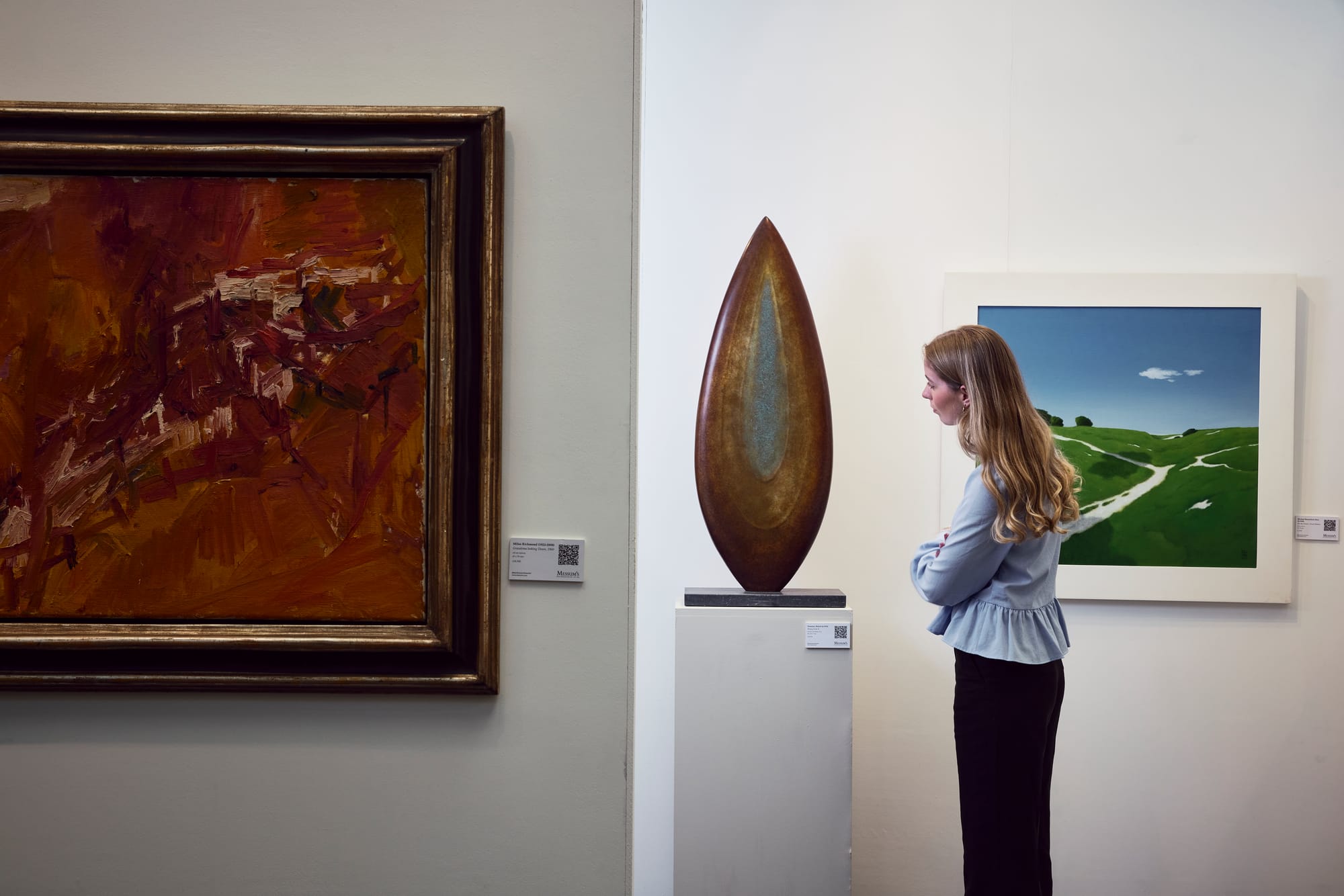
I think the fair’s greatest strength is in its diversity. You can discover work by some of the most established names in Modern British art alongside emerging artists and galleries showing at a major fair for the first time. We offer a really accessible way to explore the Modern and contemporary art market, whether you’re an experienced collector or just beginning to think about buying art.
2. The fair has introduced a new advisory group for 2027. What prompted this change, and how will the group influence its future direction?
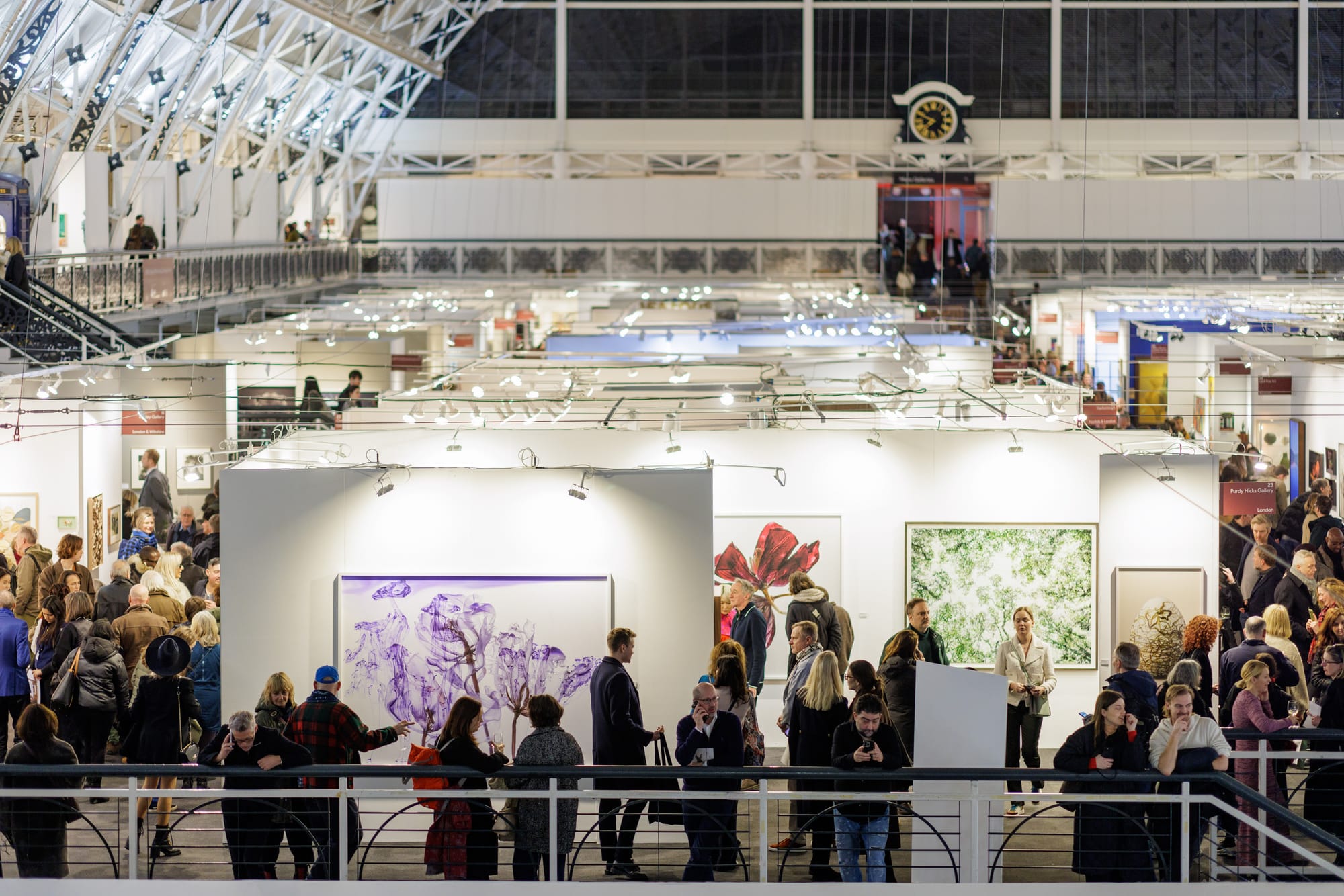
As we look towards London Art Fair’s 40th anniversary, it’s important that we continue to evolve in response to the needs of our audiences and the wider art market. Our new Advisory Board brings together expertise from across the art market, art advisory, lifestyle media and interior design, giving us a broader perspective on how people discover, experience and collect art today.
Their insights will help us shape the fair’s future direction, from the galleries and programming we bring together to the experience we offer visitors. Ultimately, we want London Art Fair to remain relevant and inspiring for both established buyers and those just entering the market.
The advisory group has already provided valuable insight and feedback on how to diversify our gallery mix, refine our audience targeting and on how to utilise the Fair to support the broader art world ecosystem. We are also developing some projects, off the back of advice from the group, to celebrate the Fair’s 40th anniversary and cement its position for another 40 years.
3. How are collecting habits changing, particularly among younger and first-time buyers?
I was really encouraged to see the recent Art Basel report highlighting the spending power of Gen Z collectors. We care a lot about nurturing the next generation of collectors and making art more accessible for those starting on their collecting journey, so it’s really exciting to see that young buyers are making an impact on the art market.
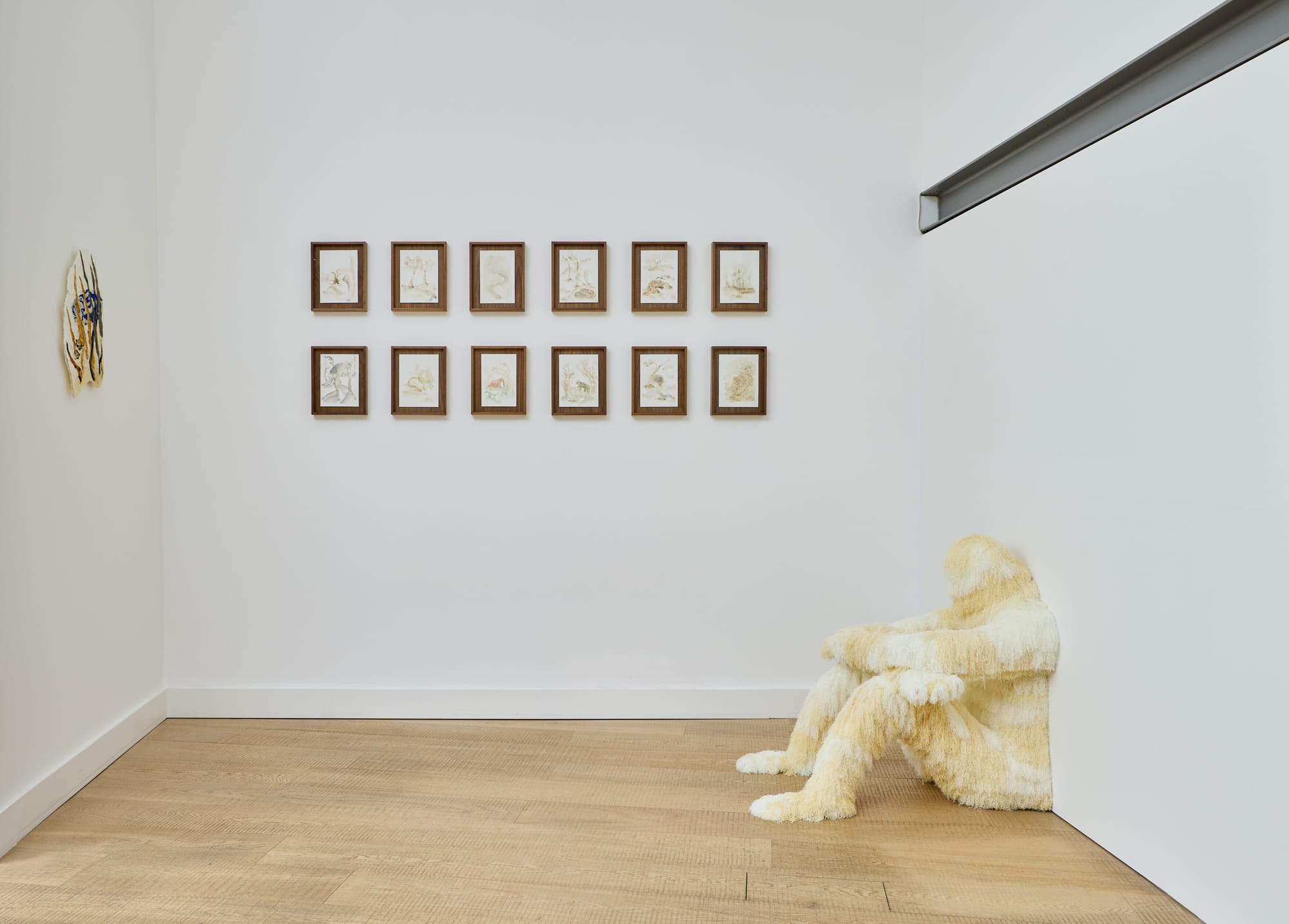
We’re also seeing a real appetite for closer engagement within the art fair experience. Collectors increasingly want to meet artists, talk directly to galleries and understand the stories and ideas behind the work, rather than simply viewing art as a transaction. That sense of connection can be particularly important for someone making their first purchase.
With the Fair’s long-standing position in the art market, you can trust us to bring you a thoughtfully selected presentation of exceptional art. For buyers at all levels, this offers a reassuring platform to engage with art.
4. London Art Fair brings established Modern artists together with emerging contemporary names. How do you create a meaningful dialogue between these two markets?
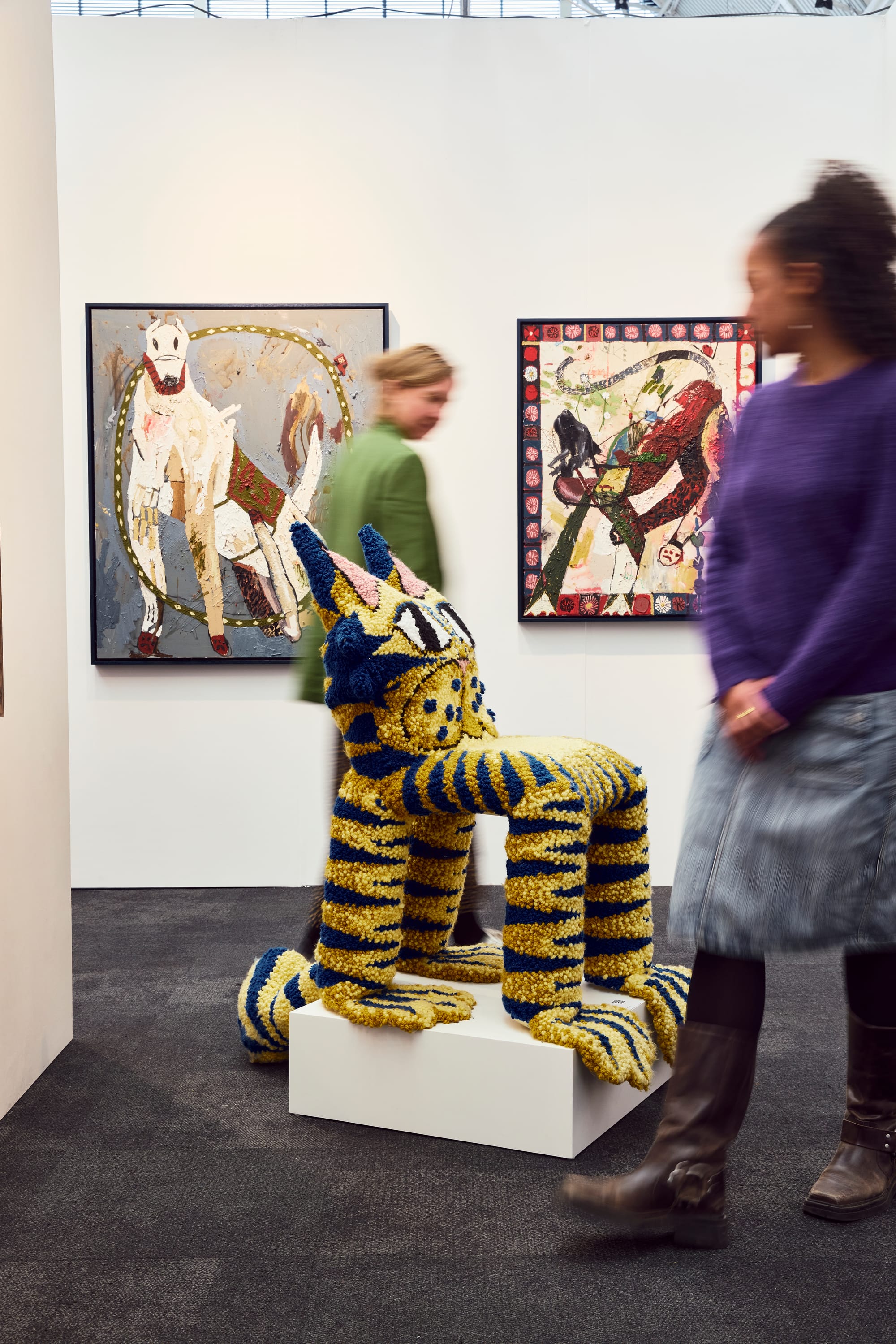
Modern British and contemporary art have always been two of London Art Fair’s great strengths, and we see real value in bringing them together. When you explore the fair, you begin to notice connections between artists across different generations: shared ideas, recurring themes and different responses to the world around them. It allows visitors to see familiar works in a new light, while discovering emerging artists whose work speaks to those same conversations.
Our Museum Partner and Platform presentations are particularly good examples of this. Graves Gallery’s Radical Voices: Art in a Changing World explores British art of the 1970s and 1980s, while Platform, curated by Lisa Anderson, brings together contemporary artists engaging with community, belonging and identity. Both look at how artists respond to the world around them, and you’ll see work with a really clear thematic through-line. Placing these presentations at the entrance to the fair establishes that dialogue from the outset.
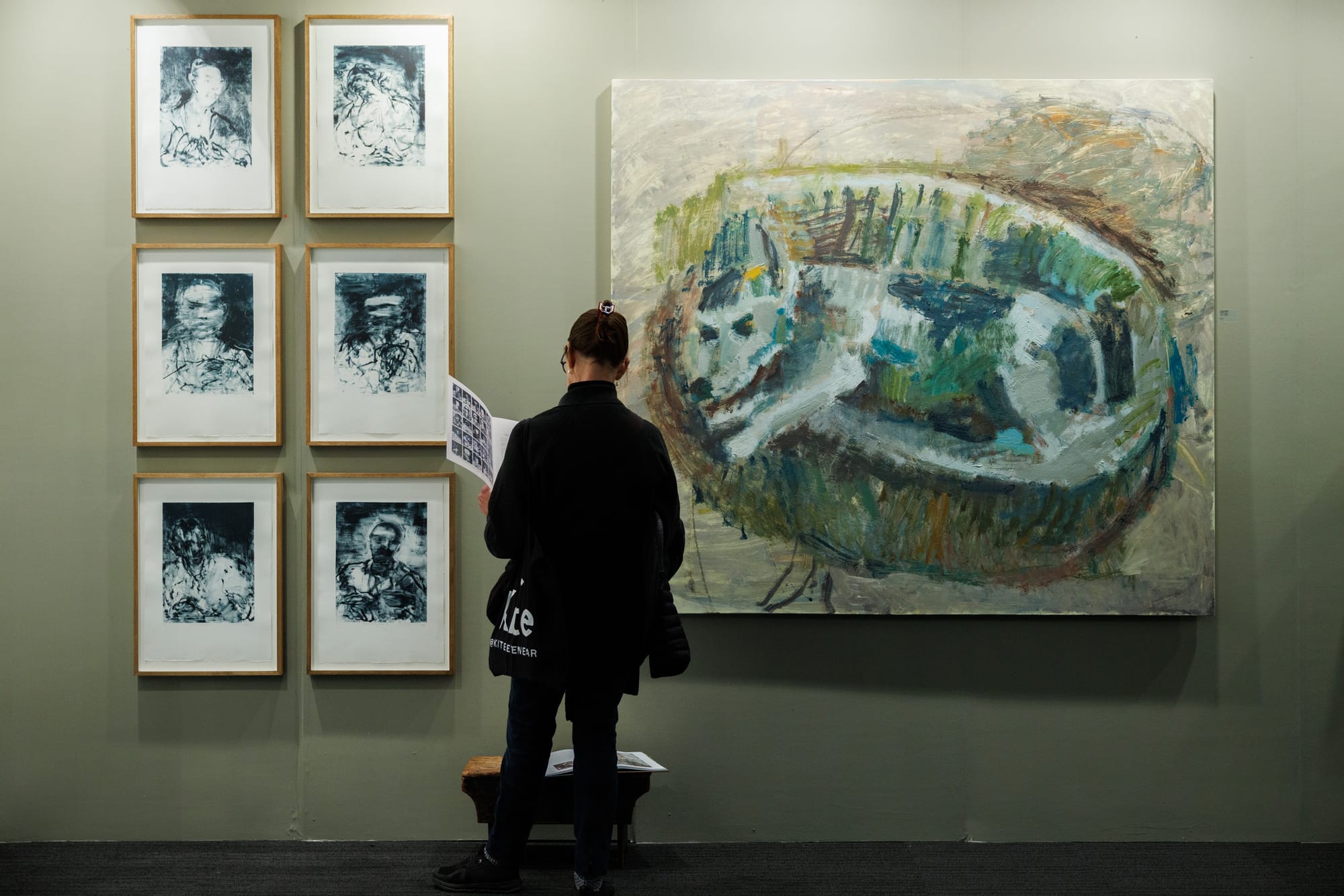
5. This year’s programme explores radical voices, community and belonging. Why do these themes feel especially urgent now?
These themes feel particularly resonant at a time when conversations around identity, community and belonging are so prominent. In this year’s Platform curated section, curator Lisa Anderson has brought together galleries showcasing artists who engage with themes of belonging and community, asking the question of how it is that our communities are made and what makes people feel like they belong together.
At a time when public discourse can often feel polarised, I think there’s real value in creating space for art that encourages us to look at our shared experiences, as well as the differences that shape us.
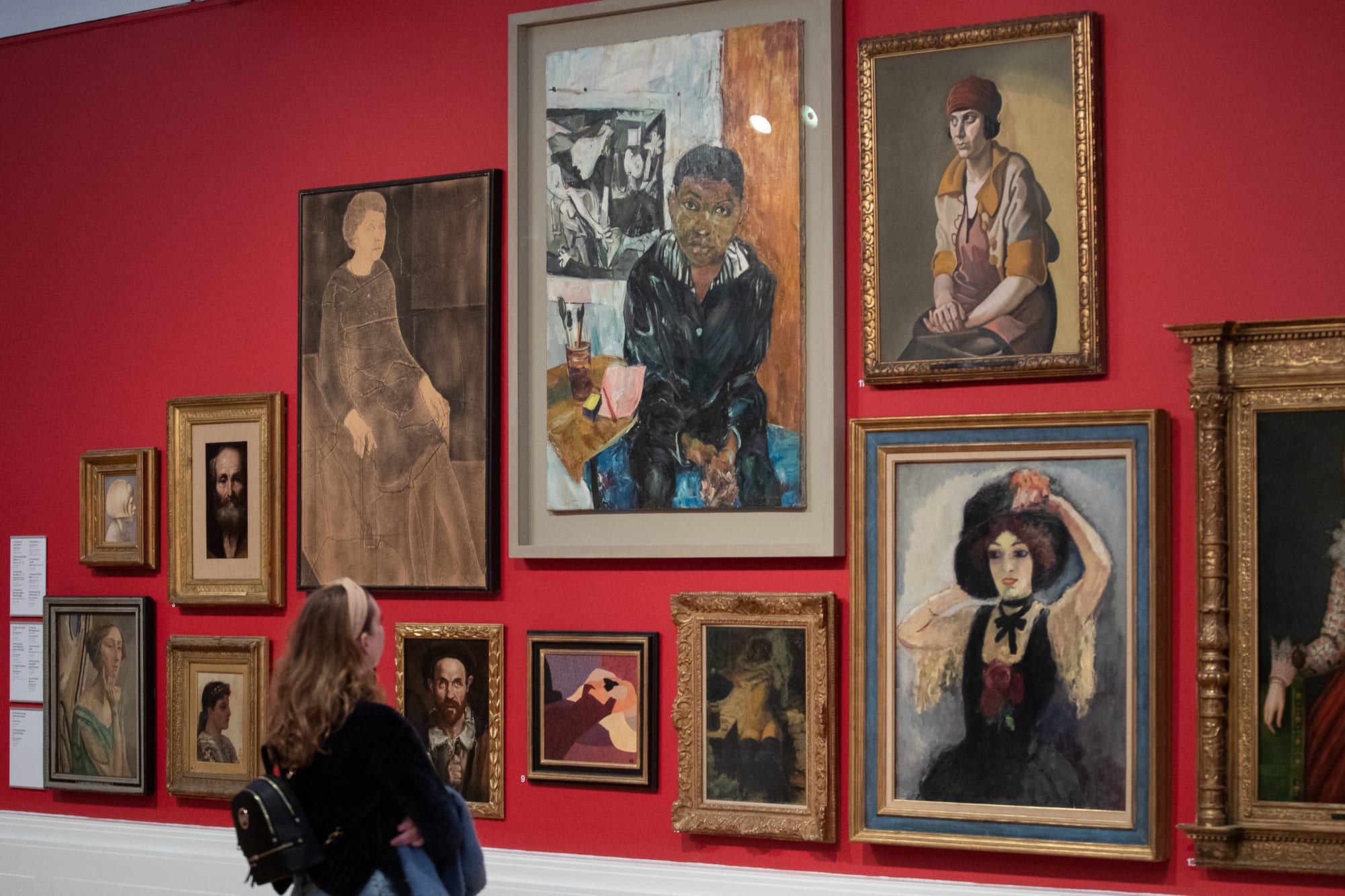
6. What does the partnership with Graves Gallery bring to the fair, and why is it important to connect London audiences with regional museum collections?
Echoing the themes explored in the Platform section, Graves Gallery is bringing an exciting display to the fair under the theme of ‘Radical Voices: Art in a Changing World’. Graves Gallery’s display looks at the works acquired by the gallery in the 1970s and 80s, a time when their acquisitions budget allowed them to invest in radical and exciting artists who were really engaging with the political and social movements of the time.
The collection includes some remarkable works, and bringing them to London gives audiences an opportunity to discover a part of British art history that they might not otherwise encounter. With Graves Gallery closed to the public throughout 2027 as it prepares for the transformation of its building, the fair also provides a valuable opportunity to celebrate the collection and introduce it to new audiences.
More broadly, I think regional museums play an essential role in the art ecosystem. Their collecting decisions can support artists, preserve important cultural histories and shape how future generations understand art. We hope the partnership will shine a light on the ambition and quality of Sheffield’s collection, while highlighting the importance of supporting public collections and the institutions that care for them.
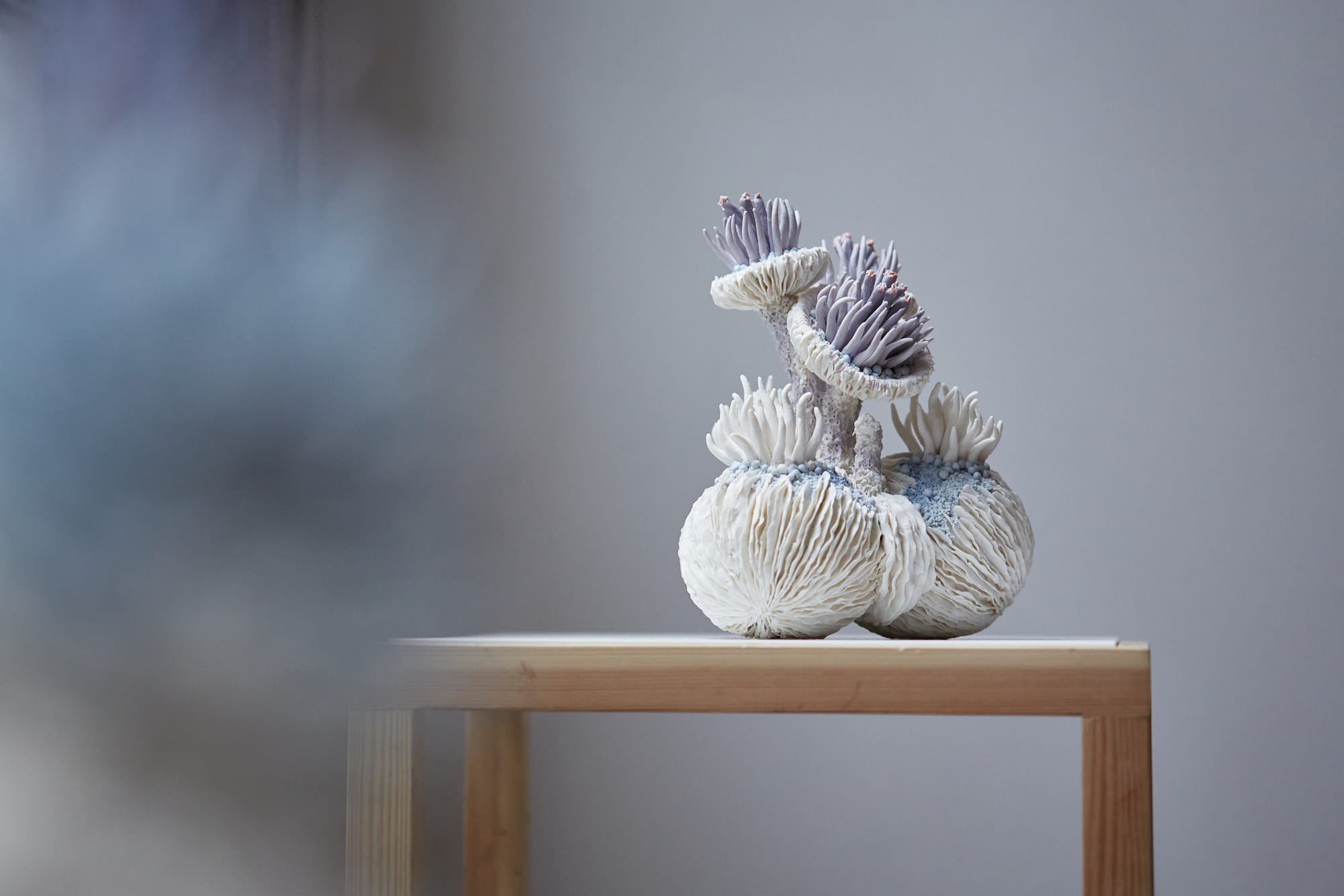
7. What are international galleries looking for from London at the moment, and how has the city’s position within the global art market changed?
I think international galleries are still looking to London for its extraordinary concentration of collectors, cultural institutions and artistic talent. It remains a genuinely international city, with an audience that spans established collectors, younger buyers and people who are discovering art for the first time.
Despite the fact that the UK art market has faced some strong headwinds, I wouldn’t underestimate London’s resilience. The UK remained the world’s second-largest art market in 2025; that’s a significant position to maintain.
I think what matters now is that London continues to offer something distinctive. For London Art Fair, that creates a real opportunity: we can offer international galleries access to a knowledgeable and engaged audience. We’re particularly pleased to support emerging and international galleries through Encounters, which offers a more accessible route into exhibiting at the fair. It’s an opportunity for galleries to introduce their artists to a new audience, build relationships with collectors and establish a presence in London, in some cases for the first time.
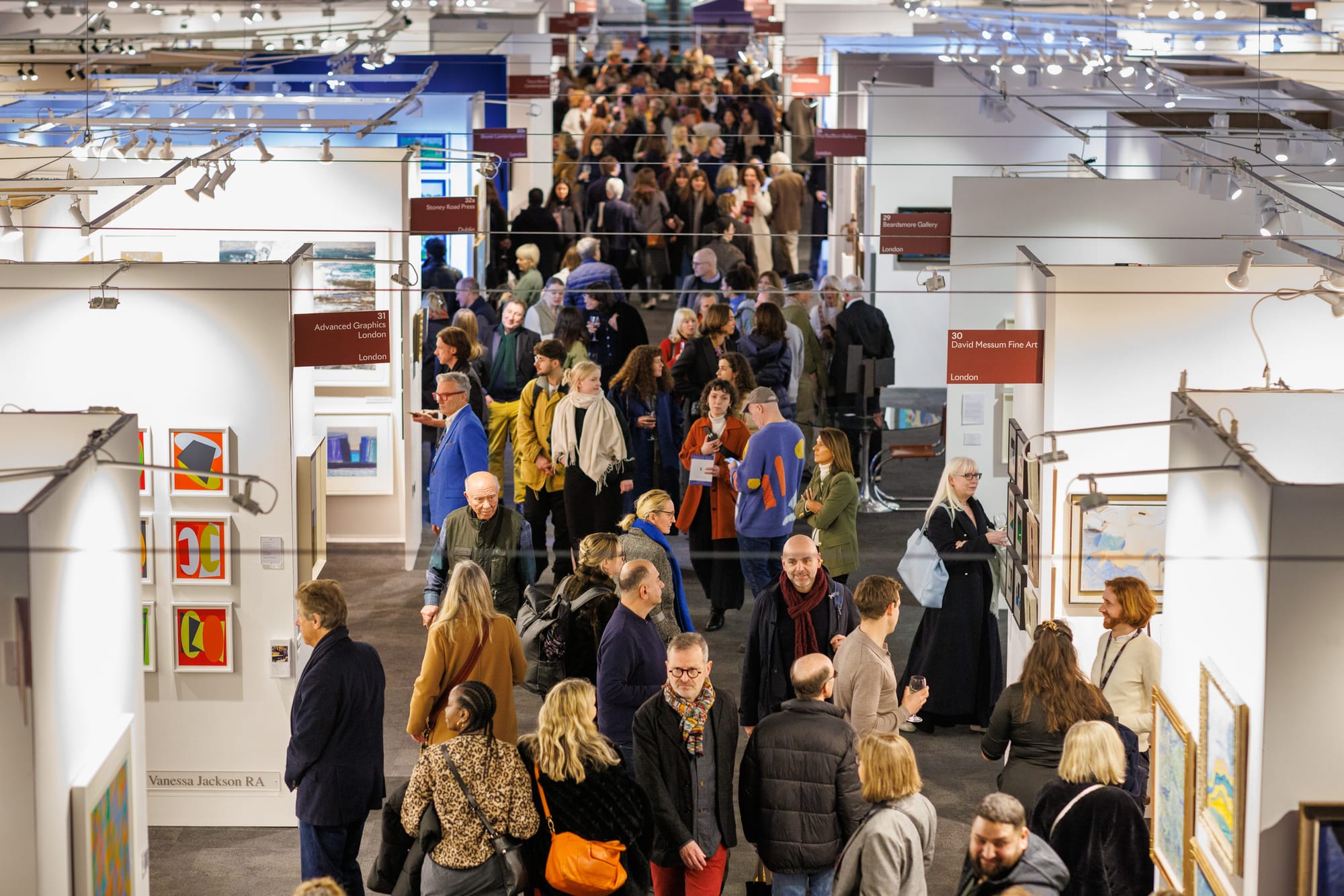
8. Beyond sales and visitor numbers, what would make the 2027 edition feel successful to you personally?
We assess the success of the Fair in all sorts of statistical ways, enough to make your head spin! But beyond the numbers, it’s really important to think about the things that are harder to measure.
For me, success is about the atmosphere of the Fair and the quality of the experience for everyone involved. I want galleries to feel that they’ve been part of something worthwhile, that they’ve made meaningful connections with collectors, discovered new audiences and had the opportunity to showcase artists in the best possible way.
It’s also about the people who come through the doors. Have we inspired someone to start collecting? Have we introduced a visitor to an artist they might never otherwise have discovered? Have we encouraged people to look at art differently, or given them the confidence to engage with it?
Ultimately, I’d feel personally proud if we finished the week knowing we’d created an event that felt vibrant, relevant and welcoming. One that brought people together around art, supported our galleries and left visitors wanting to come back. The numbers tell us a lot, but it’s those experiences and relationships that give the Fair its longer-term value.
Subscribe to our newsletter!
Weekly and monthly roundups of the best of London.