10 People You’re Guaranteed to Meet at an Exhibition Opening. Part Two
Five more familiar faces, from discount-hunting collectors to self-appointed art experts. The gallery circus continues.
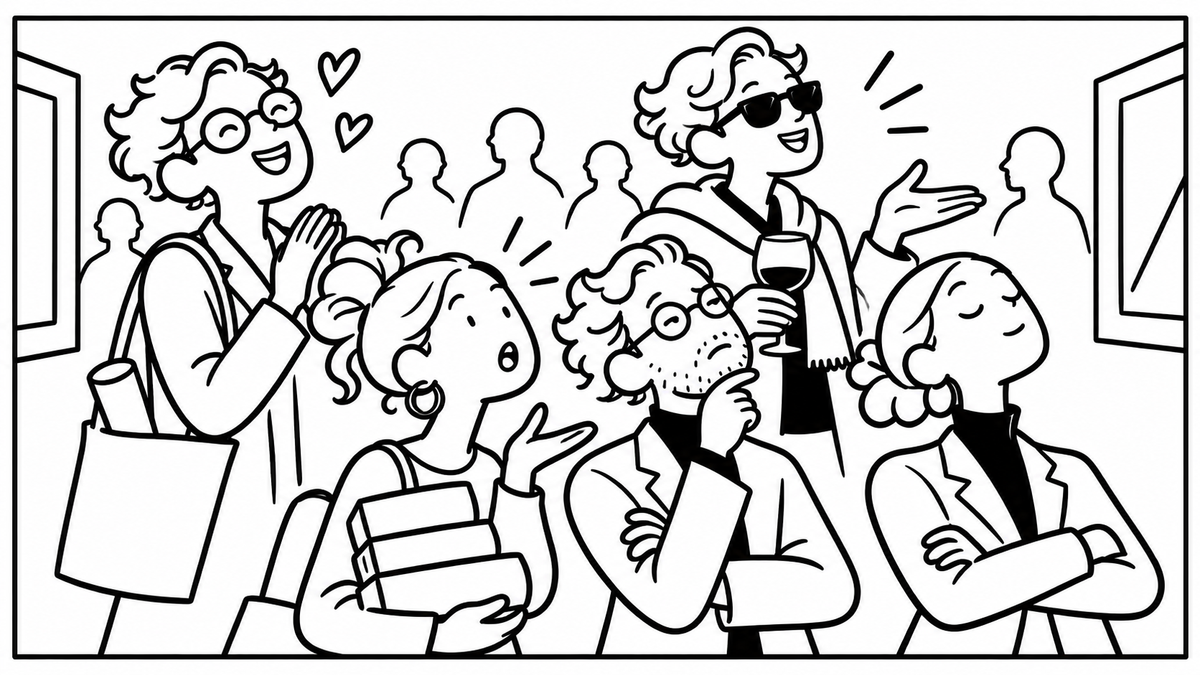
Five more characters, five more reasons to question the social dynamics of an art opening. The wine is still flowing, the networking is still going nowhere, and the usual suspects are still making themselves impossible to ignore. Here are five more familiar faces you're almost guaranteed to encounter.
6. The Friendly Collector
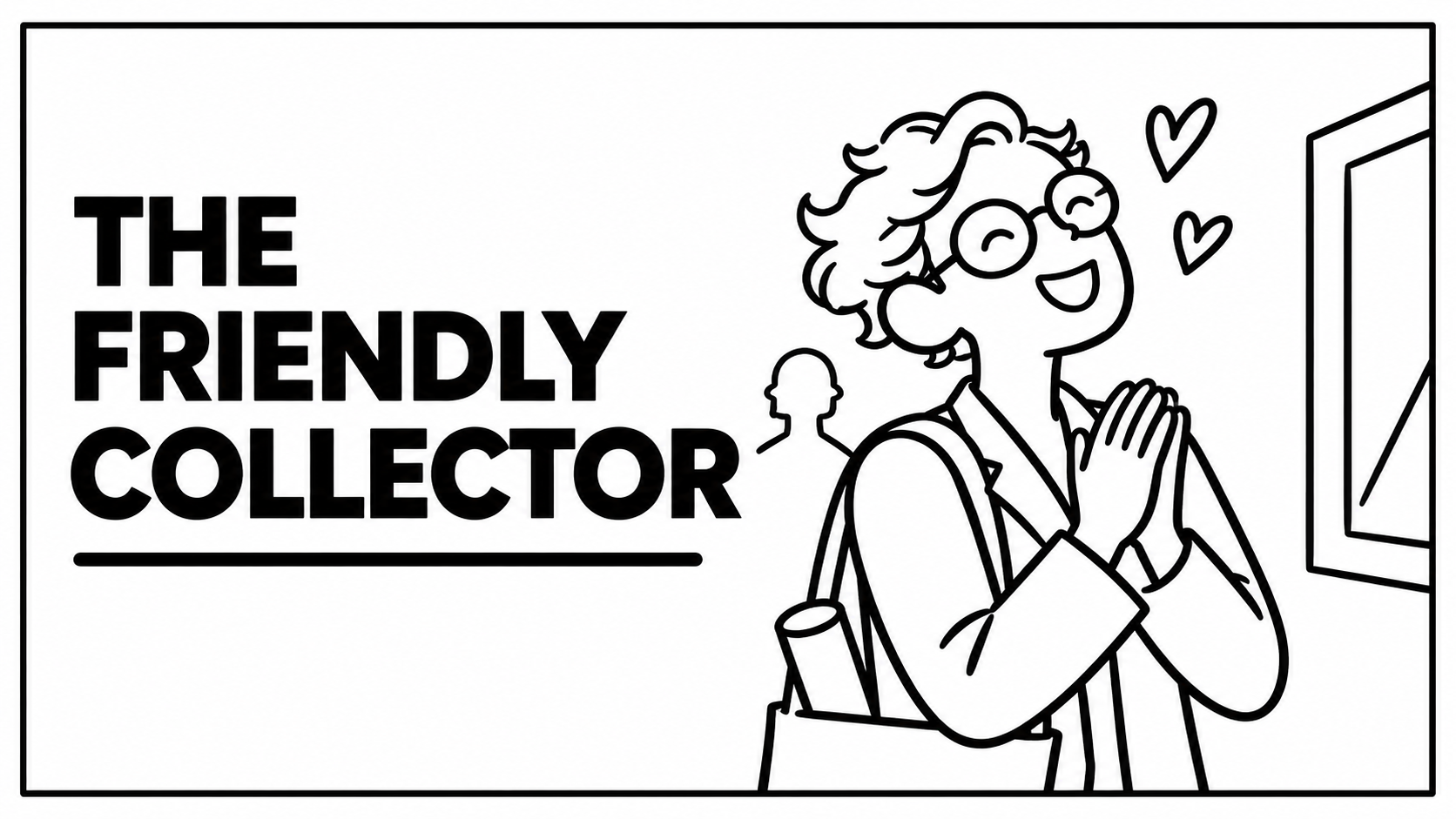
A collector who desperately wants to become part of the family, but isn't quite ready for the financial commitments that come with it. They admire every work, hug the gallerist and call the artist extraordinary, despite having asked five minutes earlier whether there is anything a little more affordable. They'll happily take all the prints, but will have to think about the larger canvases. They make sure to ask whether delivery is included, request a discount “for their first purchase” and call it supporting the artist. Having acquired a print for a few hundred pounds, they now expect a personal invitation, a friendship with the artist and a seat at the next private dinner. After all, relationships with galleries take time to develop. Preferably in the direction of complimentary privileges.
7. The Future of Art
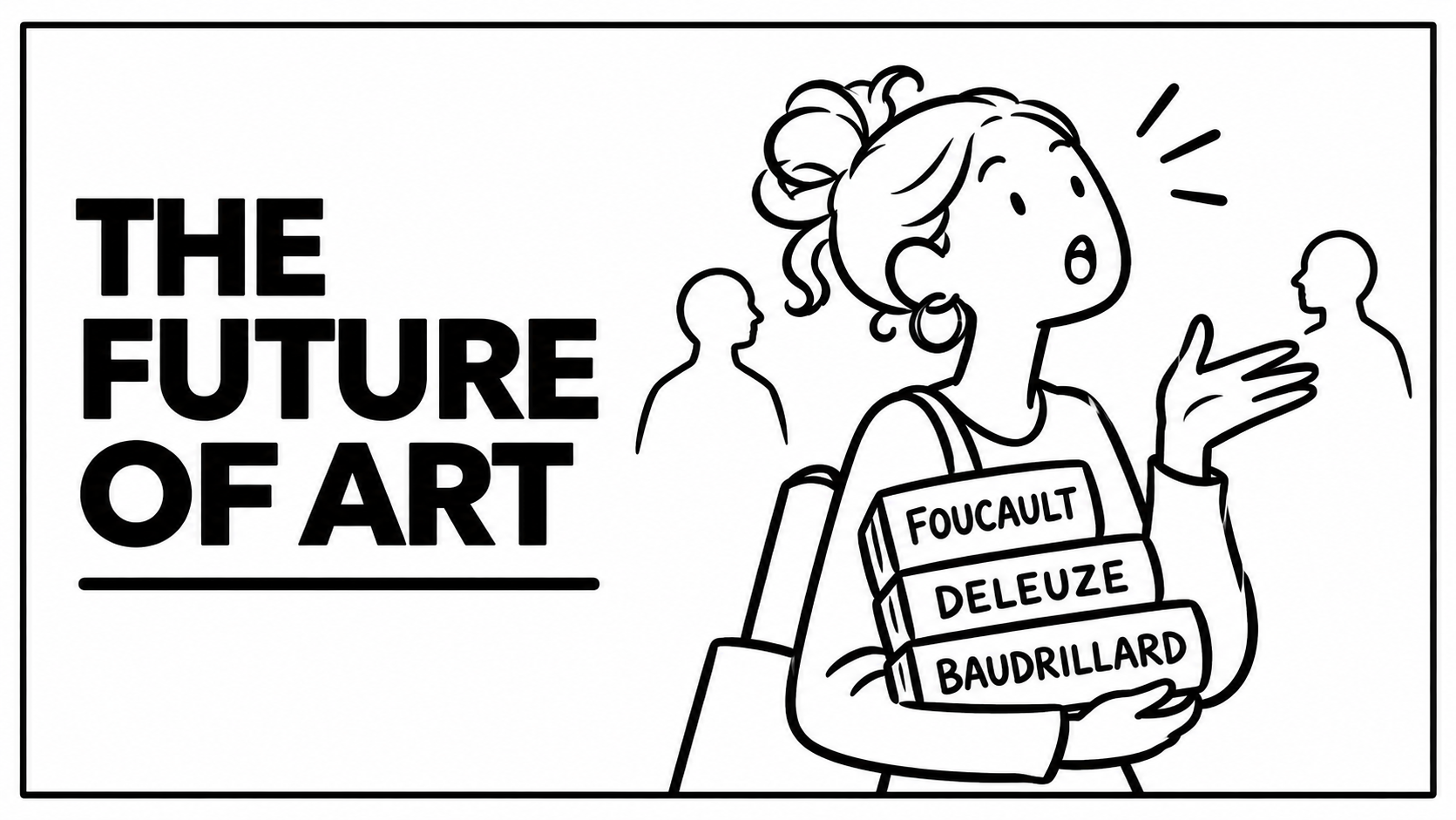
An ambitious student who approaches every guest with the question: “Don't you think this artist's work somehow references Foucault's philosophy?” If the person hasn't heard of Foucault, the conversation can move on to Deleuze. If they have, there's always Baudrillard. They make sure to ask how long someone has been working in the field and, three minutes later, are already enquiring about internship opportunities. Everyone is inspiring, and every new acquaintance receives a LinkedIn request accompanied by “Great meeting you yesterday”. By the end of the evening, they have twelve new contacts, three promises to follow up and not a single person who would remember their name.
8. The Man About Town
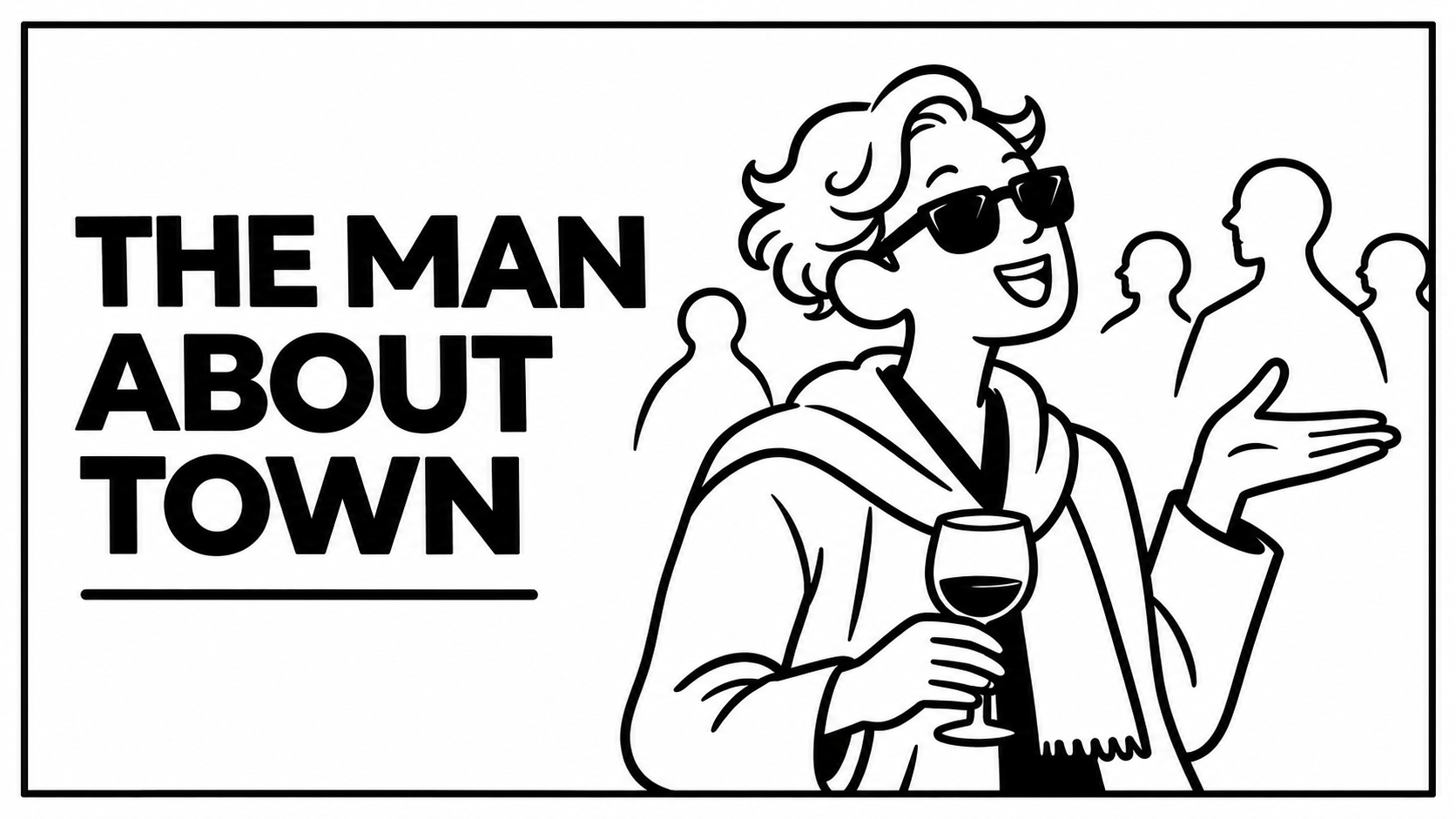
At every opening, knows all the gossip, remembers everyone's career highs and lows, and regularly begins sentences with “We're currently working on…”. Who exactly “we” are and what they're working on has remained a mystery for the past three years. Claims to be between projects, although this gap has long since acquired the characteristics of a full-time occupation. Can tell you the inner workings of any institution, including those they've never actually worked for. Constantly promises big announcements, knows every director and never pays for a glass of wine because “we're all friends here”. Perhaps they really are working on something. No one has seen it yet.
9. The Art Expert
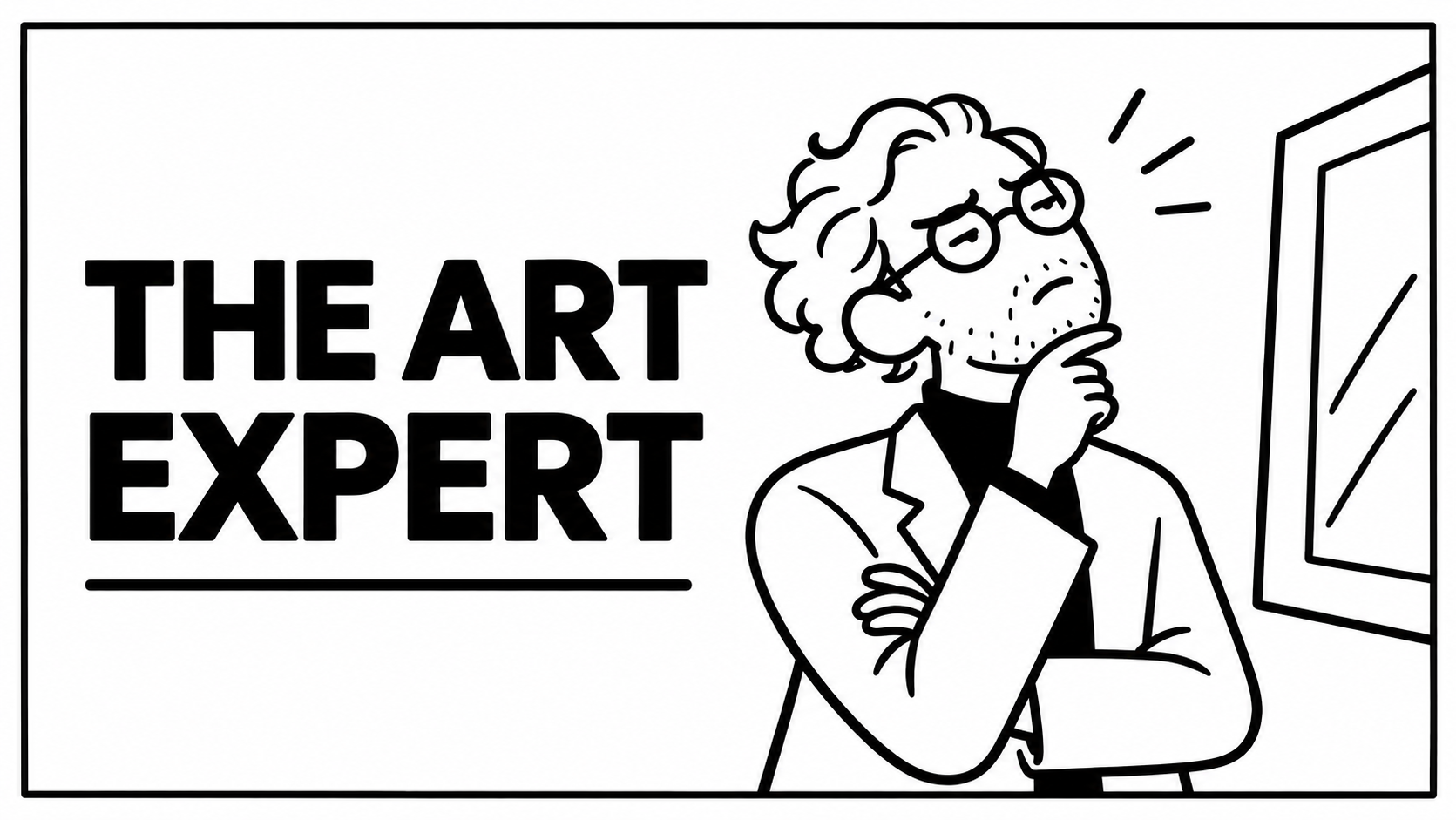
A person who believes that everything in contemporary art owes them a personal apology. They stare at a work for a few seconds before declaring: “Something's missing”, “a bit of a tired approach” or “I'm not entirely sure why this needed to be made”. Always loudly enough for the artist to hear. They insist that institutions are afraid of real art and that curators have long since lost the ability to understand anything. Yet they know the latest auction results by heart and never miss an opening. Ask what they would have done differently, and they'll launch into a discussion about the crisis of contemporary artistic practice and the market's current state of stagnation. Their last exhibition was in 2018, but that, of course, has absolutely nothing to do with their critical position.
10. The White Wall Enthusiast

Someone who considers the white cube the only legitimate way to display art. Context, architecture, the history of a place and its surroundings are all distractions, preventing the viewer from encountering the artwork on its own terms. They genuinely believe that white walls, even lighting and the absence of windows create the perfect conditions for experiencing art. Any attempt to move beyond this model is dismissed as a conceptual weakness. Exposed brick? A problem. A window overlooking the city? A disaster. An exhibition that engages with its surroundings? A sign that the artist simply hasn't figured out what to do with the work. Ideally, all art should exist in a sterile vacuum where nothing competes for the viewer's attention.
Missed Part One? Catch up on the first five types of people you'll inevitably bump into at an exhibition.
 Hyper Culture Collective
Subscribe to our newsletter!
Weekly and monthly roundups of the best of London.