8 Things You Didn't Know About Peggy Guggenheim
From discovering Jackson Pollock to collecting art during World War II, Peggy Guggenheim lived a life as extraordinary as the works she collected. Ahead of the new exhibition at London's Royal Academy of Arts, we look at eight facts about one of the most influential art collectors.
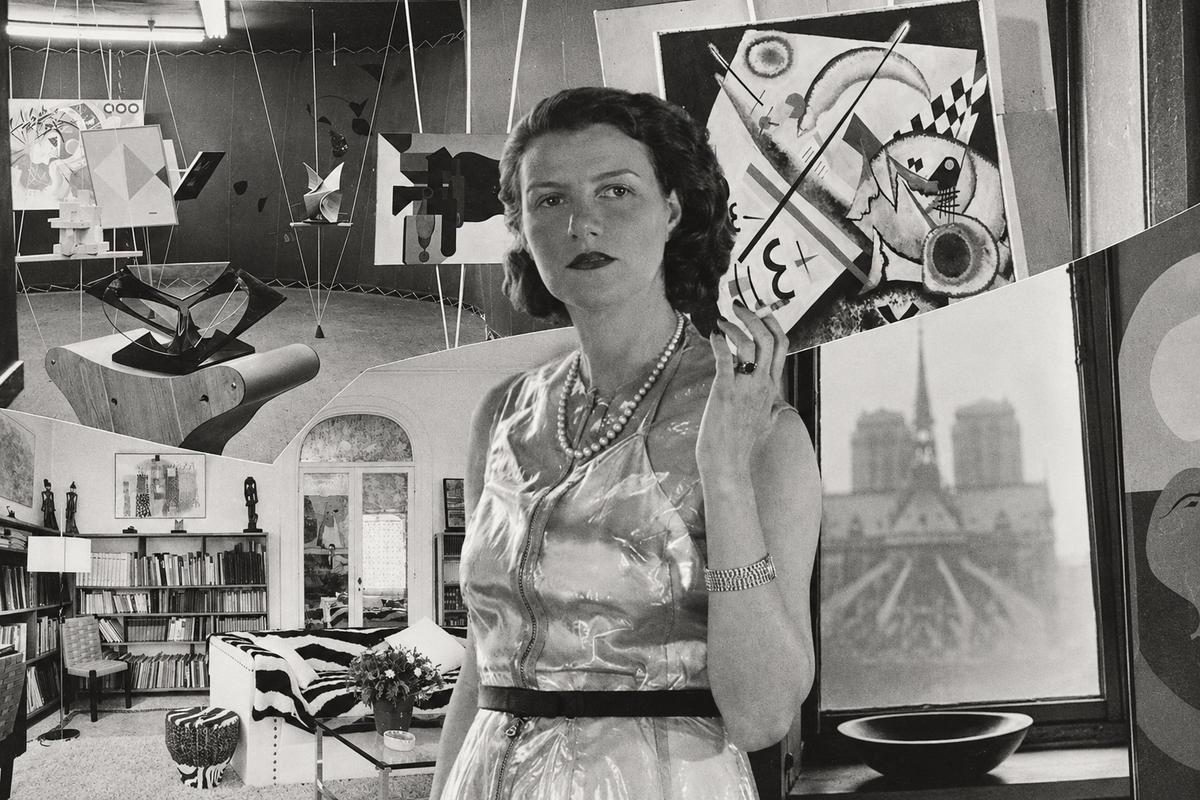
On 21 November 2026, the Royal Academy of Arts opens Peggy Guggenheim in London: The Making of a Collector, an exhibition exploring the years that shaped the American collector's career. Running until 14 March 2027, the show revisits Guggenheim Jeune, her pioneering Mayfair gallery, and brings together works by artists including Salvador Dalí, Vasily Kandinsky, Barbara Hepworth, and Henry Moore.
But who was the woman behind one of the world's most celebrated modern art collections? We've put together eight facts about Peggy Guggenheim, from her personal life to the remarkable story of how she built her collection.
1. The Titanic Tragedy
Peggy Guggenheim was born in 1898 into one of America's wealthiest families. Her father, Benjamin Guggenheim, made his fortune through the family's mining business but died aboard the Titanic in 1912, when Peggy was just 13. She inherited a substantial fortune, although considerably less than some of her Guggenheim relatives. Rather than enter the family business, she later used her wealth to support artists whose work mainstream collectors often considered too experimental.
2. Marcel Duchamp
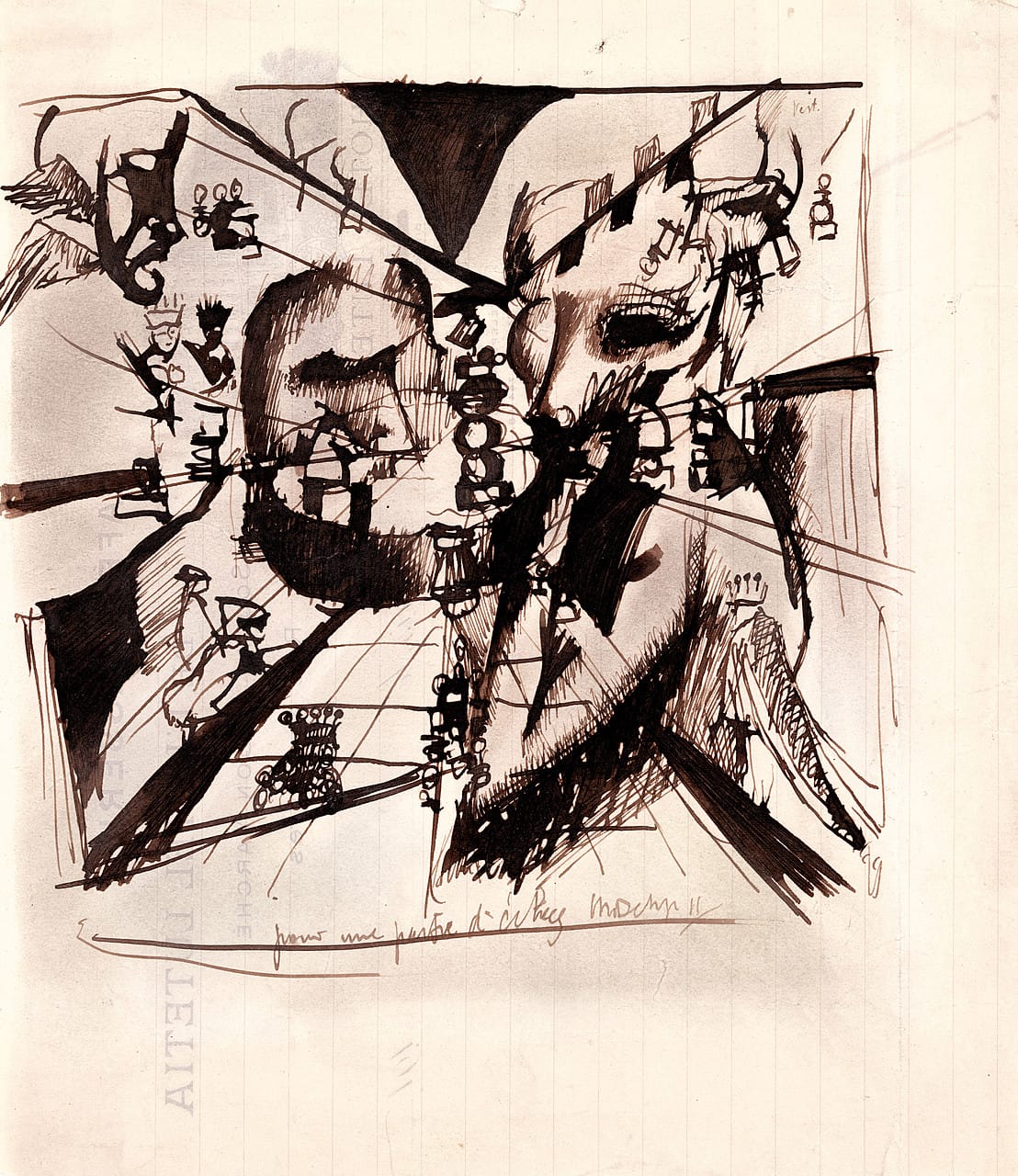
Before opening Guggenheim Jeune, Peggy admitted that she knew relatively little about contemporary art. Marcel Duchamp became one of her most important advisers, introducing her to artists and explaining the differences between Abstraction and Surrealism. Her circle also included Samuel Beckett, who encouraged her to focus on the art being made in her own time. These friendships helped shape her collecting philosophy and the direction of her future galleries.
3. A Painting a Day
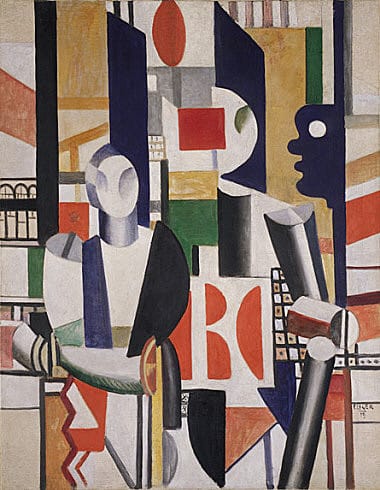
As Europe approached war, Guggenheim began acquiring modern masterpieces at an extraordinary pace. In 1939 and 1940, she adopted the ambition of buying one picture a day, purchasing works by artists including Picasso, Dalí, Mondrian and Braque. She even acquired Fernand Léger's Men in the City on the day Germany invaded Norway. As the Nazis advanced towards Paris, she continued collecting before eventually escaping to the United States.
4. Smuggling Art
With Nazi forces occupying much of Europe, Guggenheim faced the problem of transporting her increasingly valuable collection to safety. The Louvre had declined to store the works, and shipping them across the Atlantic was dangerous. Eventually, the artworks were packed and shipped to America under the description of ordinary household goods, with the Guggenheim name replaced on customs paperwork. The collection survived the journey and later became the foundation of her New York gallery.
5. Jackson Pollock
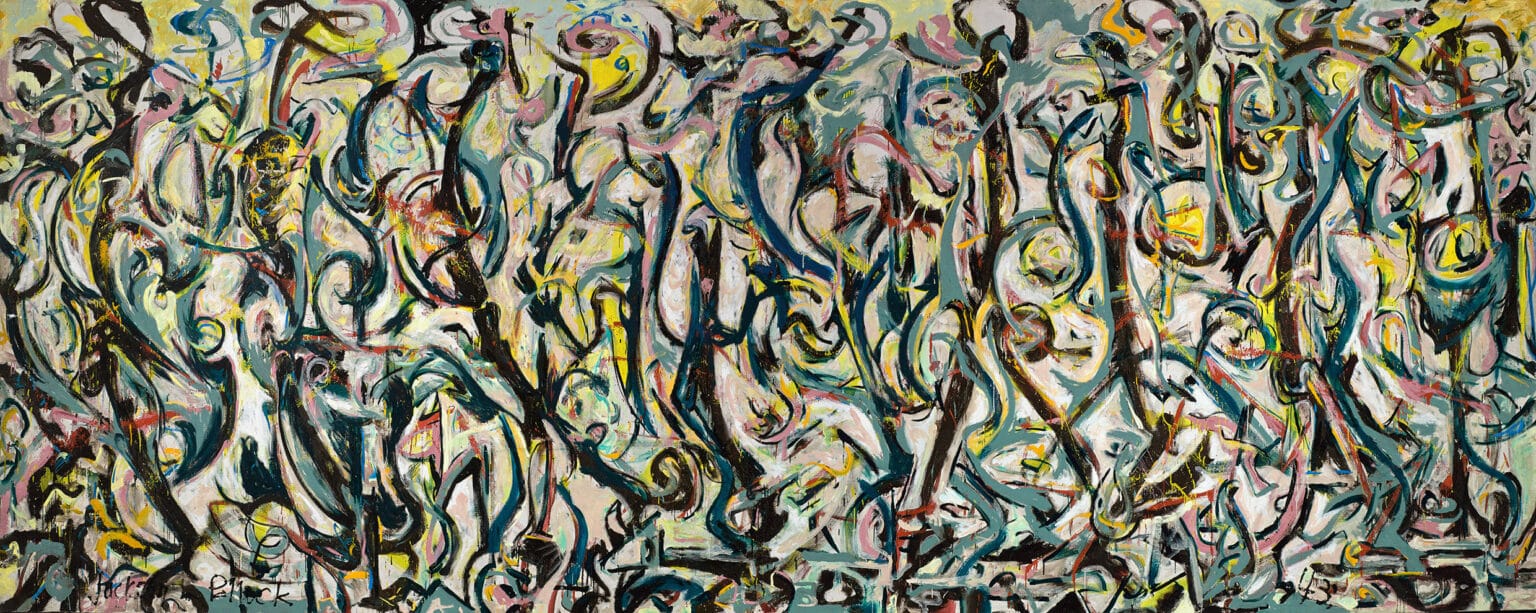
Before Jackson Pollock became a defining figure of Abstract Expressionism, he worked as a maintenance man at the museum established by Peggy's uncle, Solomon Guggenheim. Peggy recognised his potential and gave him his first solo exhibition at Art of This Century in New York in 1943. She also provided financial support, allowing him to focus on painting, and commissioned his monumental Mural. Pollock would become one of the artists most closely associated with her legacy.
6. Famous Sunglasses

Peggy's eccentric fashion sense became almost as recognisable as her collection. Among her favourite accessories were butterfly-shaped sunglasses designed by artist Edward Melcarth. Their exaggerated, wing-like frames became part of her signature look, alongside oversized jewellery and unconventional clothing. Today, the Peggy Guggenheim Collection in Venice sells replicas of the glasses.
7. Venetian Home
After returning to Europe, Guggenheim presented her collection at the 1948 Venice Biennale, introducing Italian audiences to major examples of modern American and European art. She subsequently settled in Palazzo Venier dei Leoni, an unfinished eighteenth-century palace on the Grand Canal. In 1949, she began opening her home and collection to the public several days a week. Today, the Peggy Guggenheim Collection remains one of Venice's most important modern art museums, preserving the extraordinary collection she assembled over her lifetime.
8. Her Beloved Dogs
Guggenheim was devoted to her Lhasa Apsos, which accompanied her throughout her years in Venice. When she died in 1979, they placed her ashes in the garden of Palazzo Venier dei Leoni, near a memorial to her dogs. Visitors can still find her resting place in the museum garden, surrounded by the art, the dogs and the home she loved.