Nostalgia for the 90s and a Record Brueghel Sale: How Frieze London 2026 Unfolded
Frieze London and Frieze Masters returned to Regent’s Park from 14 to 18 October 2026, attracting 95,000 visitors from 108 countries and territories. This year’s fairs revived nostalgia for 1990s London while seeking to reclaim the city’s position in the autumn art market from Paris.
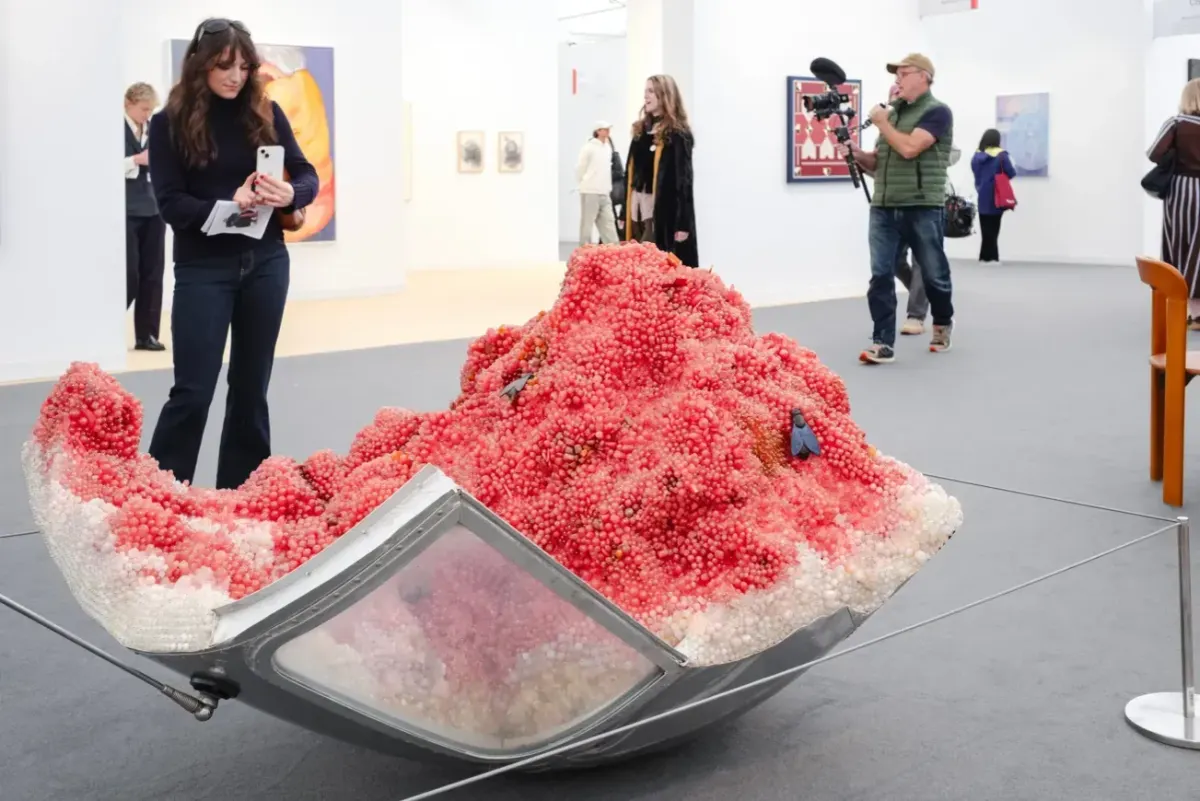
The 24th edition of Frieze London brought together 176 galleries from 43 countries, while the 14th Frieze Masters featured 142 galleries from 33 countries. Representatives from 426 museums and foundations worldwide attended the fairs, an all-time record. Visitor numbers from India and China more than doubled compared with 2025.
The figures are impressive, although post-fair press releases have long become a literary genre of their own: no organiser has ever issued a report describing "moderate enthusiasm". Only superlatives and declarations of triumph will do.
This year was no exception. For five days in October, London behaved as though the global art market had no problems at all. Collectors moved between the two enormous white tents housing Frieze London and Frieze Masters and the sculpture park; galleries sold out their stands within hours of the preview opening, and everyone praised the extraordinary energy of the British capital.
This, of course, is part of the ritual. Frieze is not simply a place to buy art, but an annual exercise in collective faith in the market.
Two Fairs, Two Economies
Today, Frieze is not a single market but several different economies brought together under one postcode for a week.
Frieze London focuses on contemporary art. Alongside its main Galleries section, it includes Focus, dedicated to emerging galleries and solo or small-scale curated presentations; Artist-to-Artist, in which artists nominate fellow artists; and The Code Universe, curated by Carol Yinghua Lu.
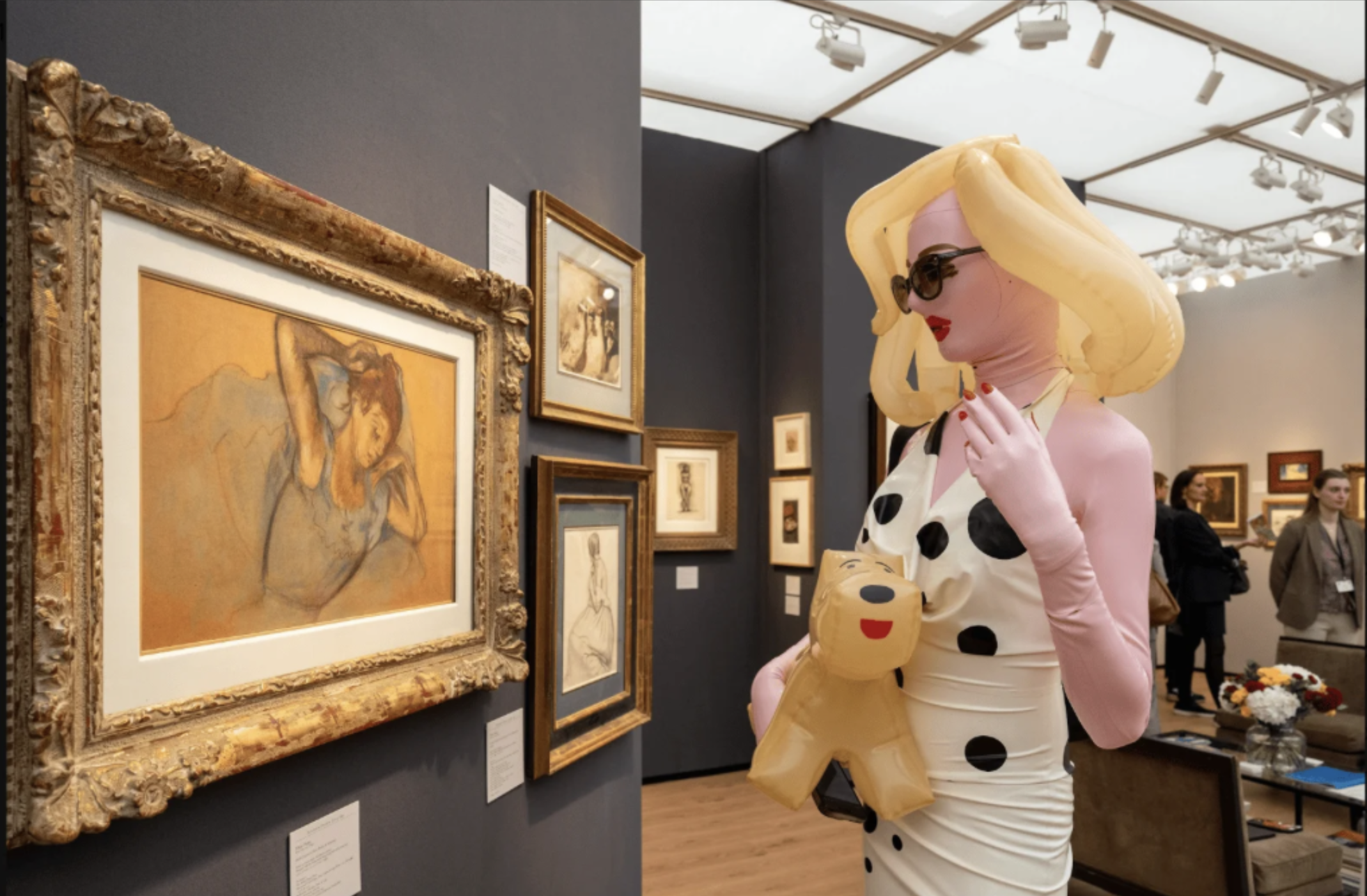
Frieze Masters, directed by Emanuela Tarizzo, takes a much longer historical view. Under one roof, galleries offer antiquities, Old Masters, modernism, textiles, and major 20th-century names. This year's special sections included Spotlight, curated by Devika Singh and Sofia Gotti, and Queering Modernism: Visual Languages of the 20th Century, developed by Anke Kempkes.
What Was Bought and Sold
The biggest deal happened at Frieze Masters, where Hauser & Wirth sold Jan Brueghel the Elder's Still Life of Flowers in a Ceramic Vase, painted around 1607–1608, for about £5 million.
Four paintings by Alice Neel, presented jointly by David Zwirner and Victoria Miro, sold for between $1.6 million and $1.8 million each. One was acquired anonymously by a major museum.
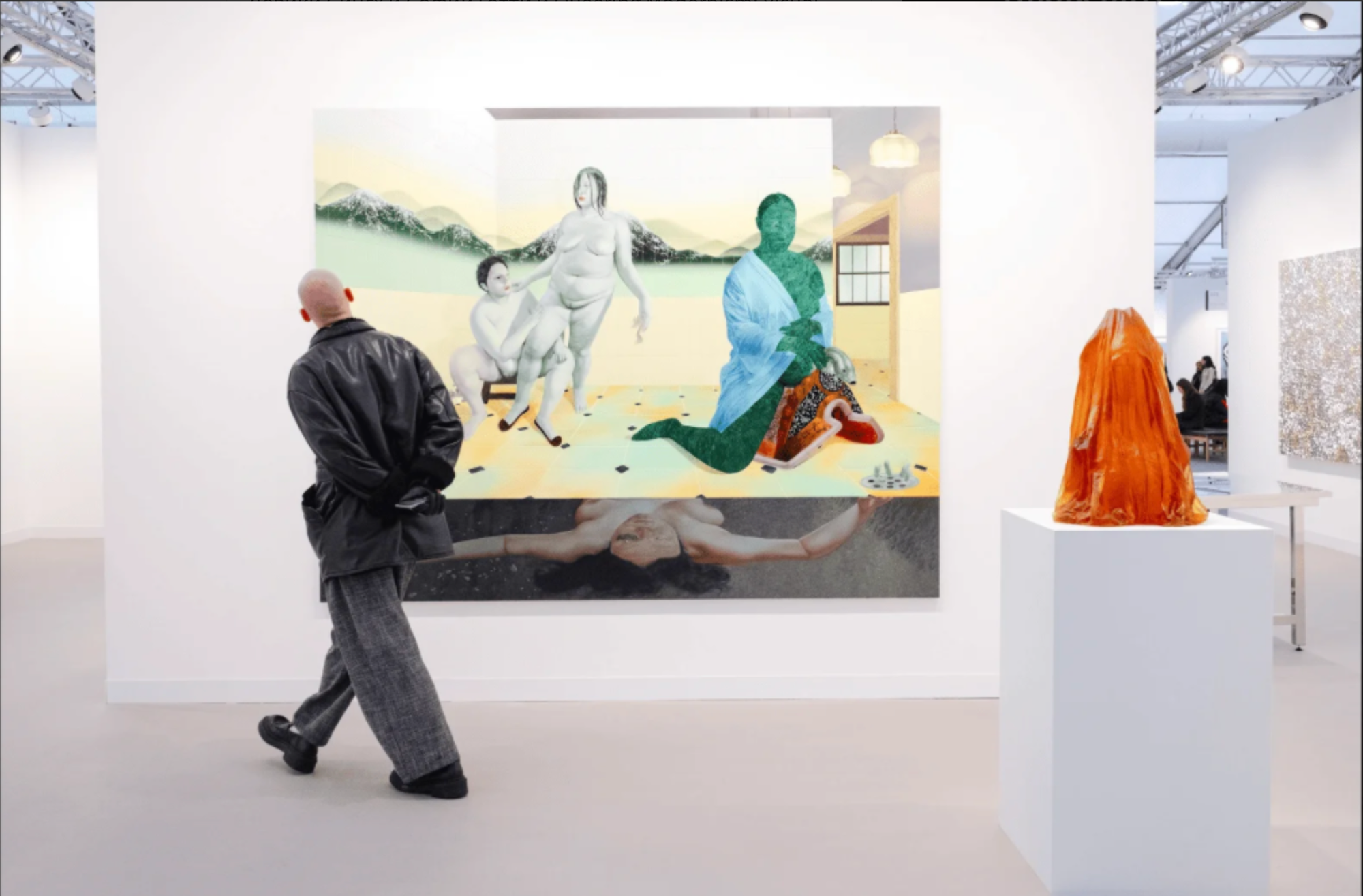
At Frieze London, David Zwirner sold a new work by Michaël Borremans for $1.5 million and a painting by Dana Schutz for $900,000. Hauser & Wirth reported sales of Avery Singer's The Solver (Version 3) for $800,000 and a work by George Condo for $600,000.
At Thaddaeus Ropac, a work by Martha Jungwirth sold for €560,000, while a piece by Antony Gormley fetched £500,000. Xavier Hufkens sold a work on paper by Richard Serra for $750,000 and a series of works on paper by Louise Bourgeois for $400,000.
Yet the seven-figure trophies were not the only sales that mattered. Pace sold out its entire stand of paintings by Marina Perez Simão. White Cube sold 11 works by Ilana Savdie. Fortes D'Aloia & Gabriel sold every painting by Marcia Falcão on the first day, while Pilar Corrias had sold out its presentation of works by Rachel Rose, Sholto Blissett and George Wilson by the end of the day.
Sales moved particularly quickly in the Focus section. Gianni Manhattan, a. SQUIRE and Harlesden High Street all reported sold-out stands on opening day. Bukia Vakhania sold every painting by Tamo Jugeli at $40,000 each. Chemould CoLab placed three large textile works by Jayeta Chatterjee, priced between $13,000 and $26,000, with an Indian institution acquiring the largest.
This is an important indicator: an art fair cannot survive indefinitely on a handful of famous names. Activity needs to happen at every level, with new buyers discovering emerging galleries, museums acquiring artists' works, and prices staying below the deposit on a London flat.
What Museums Acquired
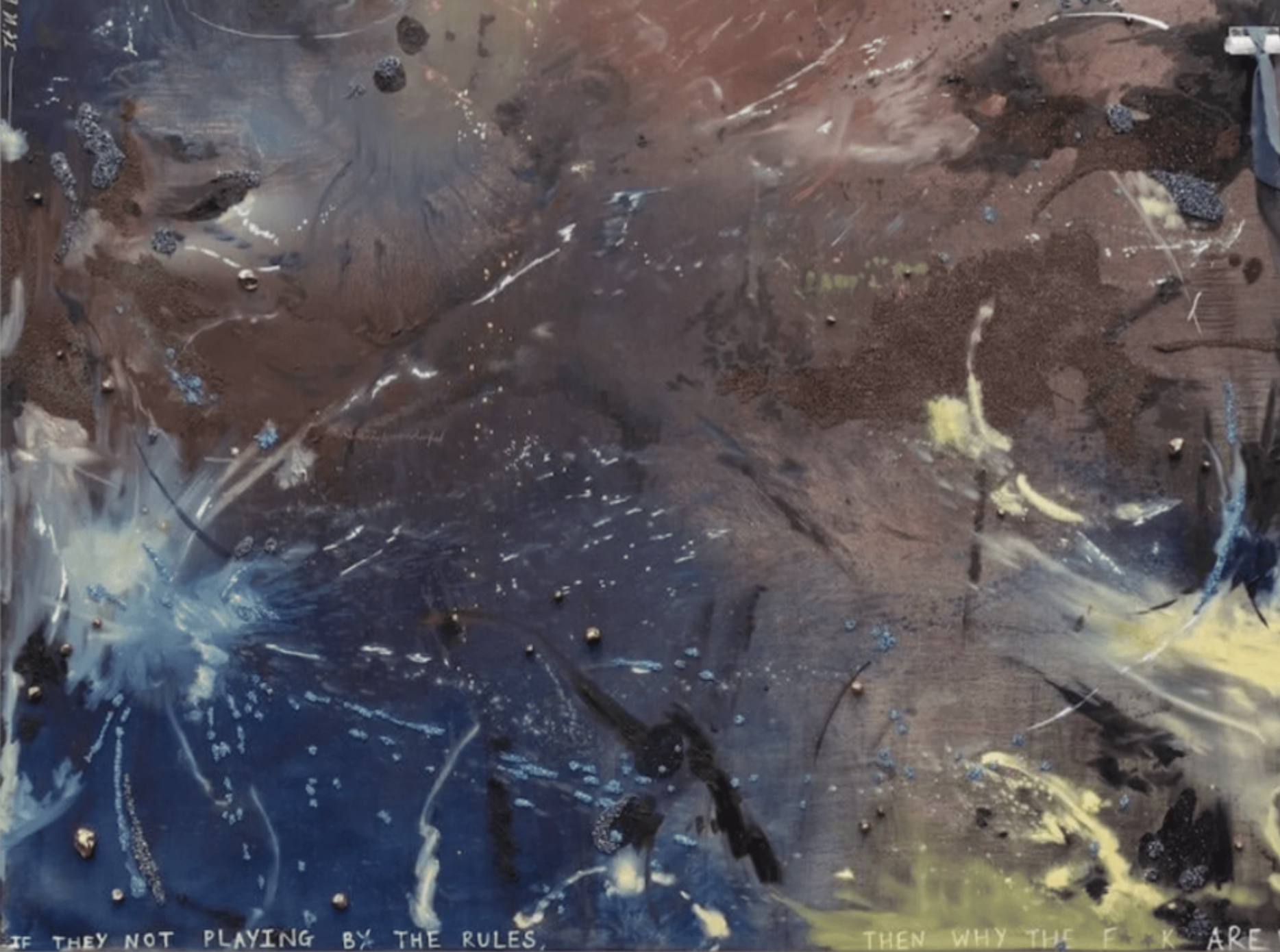
Museum acquisitions were particularly prominent at this year's fairs. Tate acquired Michaela Yearwood-Dan's painting Unknown Rest (2026) from Hauser & Wirth and Luis Fernando Zapata's papier-mâché sculpture Barge (1992) at Frieze Masters.
The fairs' acquisition funds and awards also supported purchases for The Whitworth, Abbot Hall, the Arts Council Collection, the Victoria and Albert Museum and The Women's Art Collection.
Other museum acquisitions included new paintings by Sasha Gordon and Yu Nishimura from David Zwirner, Ilana Savdie's The Harbingers from White Cube, and Jessica Wilson's Sweet Nothing, purchased by the Centraal Museum Utrecht. The latter marks the artist's first work to enter a museum collection.
Goodman Gallery's solo presentation of Unathi Mkonto sold out completely before the artist was awarded the Nicoletta Fiorucci Foundation Prize.
The distinction matters: a private sale confirms demand, but a museum acquisition can change an artist's career. In a market where price is often mistaken for importance, one of Frieze's most notable achievements was how many works entered public collections.
Nostalgia for the 1990s
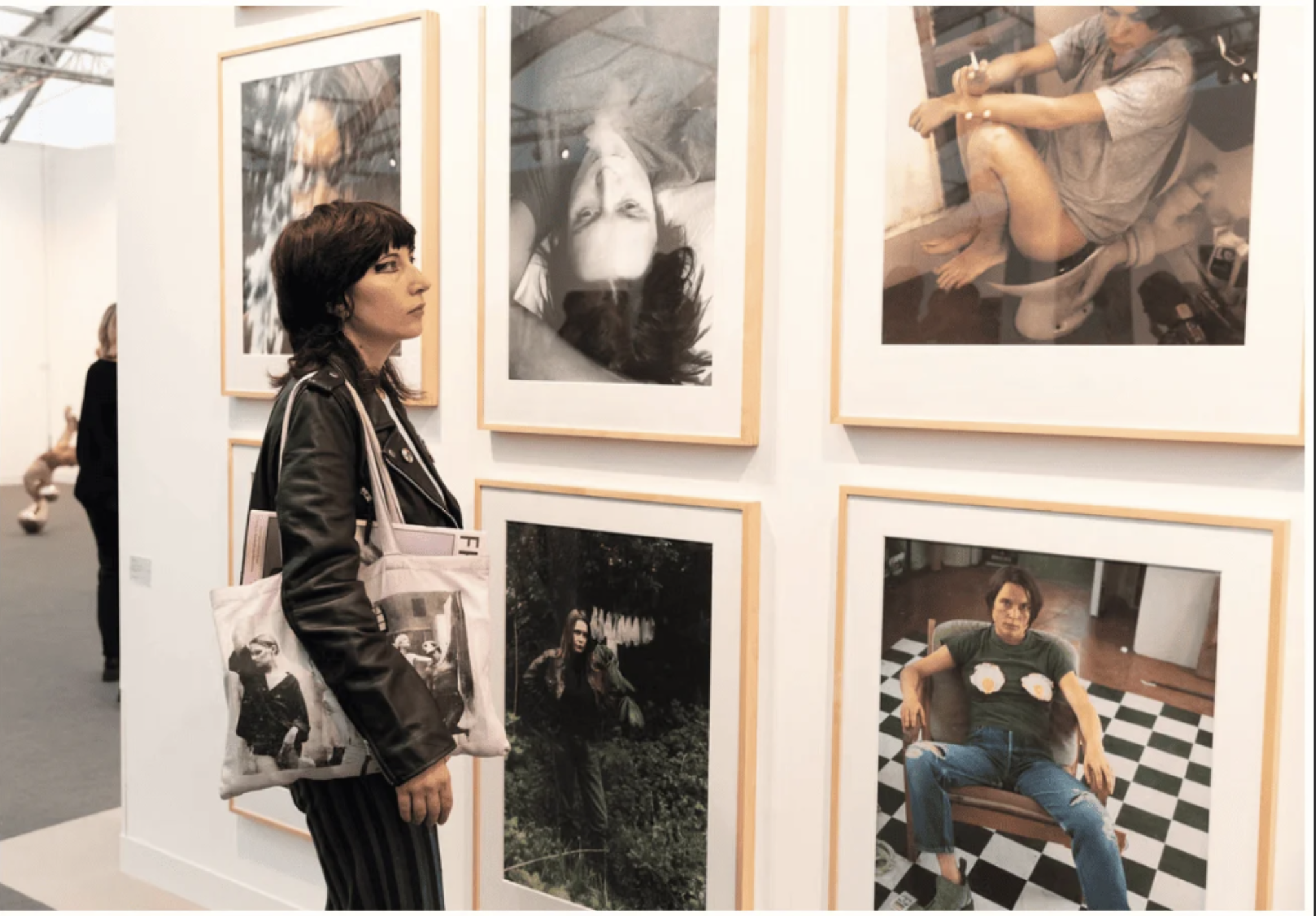
The exhibition The 90s: Fashion and Art, which opened at Tate Britain during Frieze week, brought together Young British Artists such as Damien Hirst, Tracey Emin and Sarah Lucas alongside figures often left out of the history of Cool Britannia.
At Frieze, Xavier Hufkens sold three editions of a neon work by Tracey Emin for £95,000 each, while Hazlitt Holland-Hibbert sold early sculptures by Rachel Whiteread, who became the first woman to win the Turner Prize in 1993, for up to £60,000. Meanwhile, the sale of Peter Simon's collection, founder of the Monsoon and Acassories retail chains known for their bohemian aesthetic, raised £178 million at Christie's.
Suddenly, the 90s were everywhere: in museum exhibitions, auction catalogues, fair stands and conversations about London's supposedly returning creative energy.
It is an appealing idea. Frieze itself emerged from the confidence of London's 1990s art scene, with Amanda Sharp and Matthew Slotover launching the fair in 2003. Today, as new galleries and independent spaces open across the city, talk of a cultural revival has renewed.
But nostalgia conveniently leaves out the infrastructure that made that earlier success possible. Publicly funded education, social support, and affordable spaces sustained the 1990s art scene. Lisa Panting, founder of Hollybush Gardens, established in 2005, described today's return to that era as superficial, noting that even the original movement's rise was shaped by the market.
One art dealer put the difference more simply: his generation was the last that could afford to live in London without money.
You can bring back the clothes, rehang the art and sell another Tracey Emin neon installation. Recreating the economic and sociocultural conditions that made it all possible is far more difficult.
Translated and adapted from an article originally published in Forbes Life. Read the original here:
 Дарья Коноваленко