The Devil Wears...Dior?
We have a cafeteria?
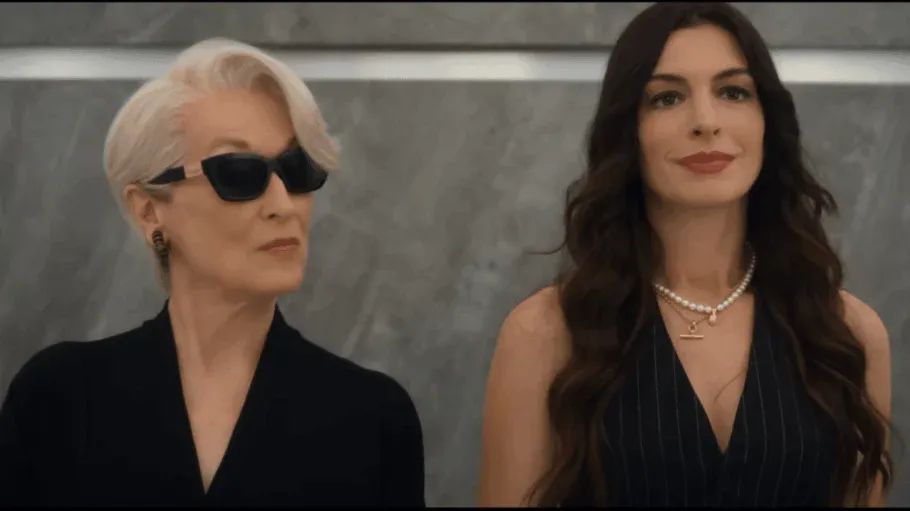
London is flooded with “The Devil Wears Prada” collaborations — from Primark to Diet Coke with the logo. Social media is already dissecting every look fro, the movie, and the video of Anne Hathaway saying “inshallah” has been sent to me by basically every friend I have. Obviously, on May 1st, premiere day, I ran to the cinema. The marketing worked.
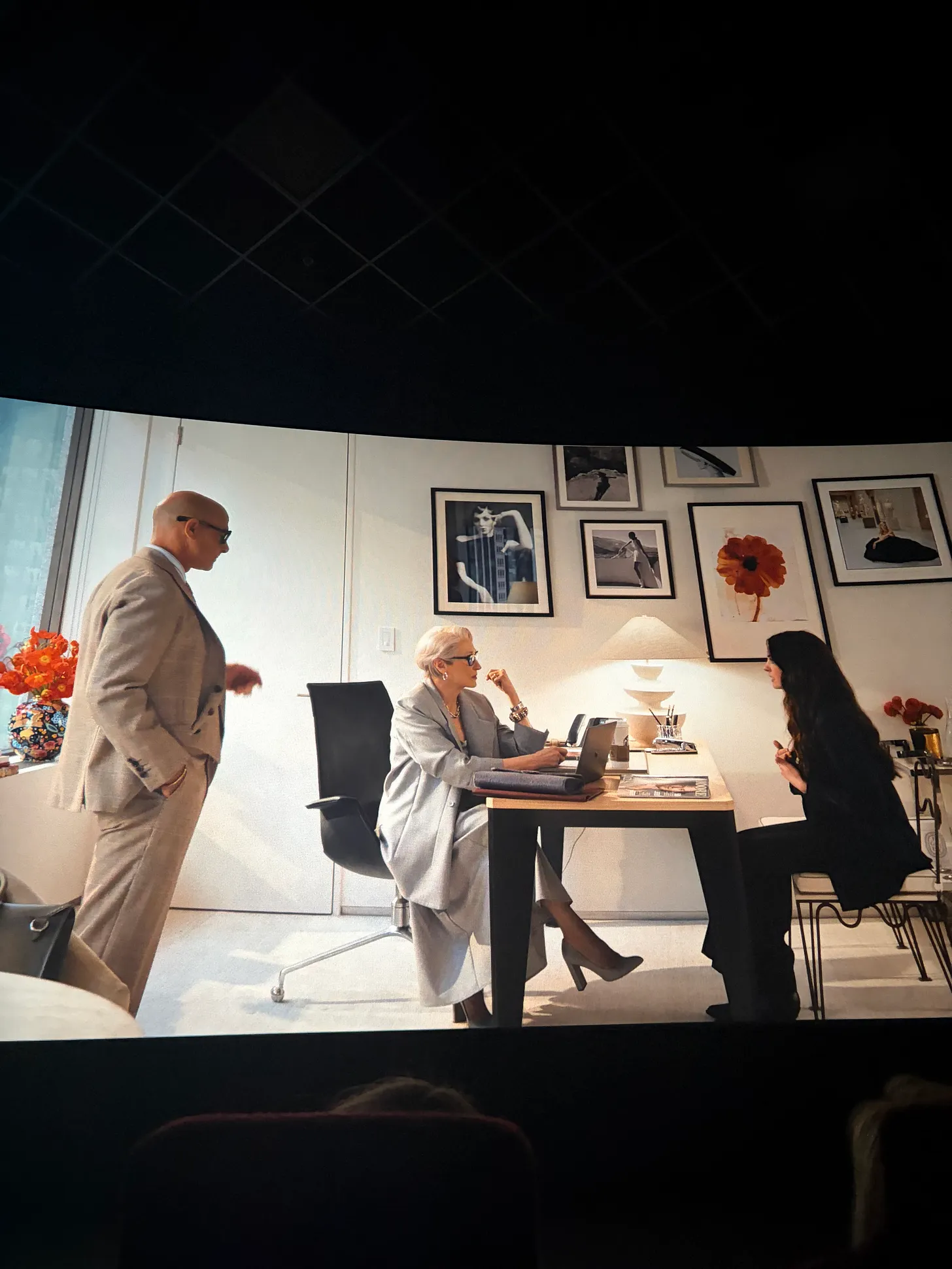
So, where are we 20 years later? Andy still lives in not the most glamorous apartment, found her Margiela jacket discounted at a vintage store, eggs are frozen, no personal life, but 15 years of “collecting stories.” She now cares about global warming, she’s against everything bad and for everything good. Miranda is still Miranda, the assistants are still called Emily — except now one is a man, and the other has five Cartier bracelets on her wrist. The office is just as luxurious, a Manhattan high-rise, with rails of gorgeous outfits. Nigel complains that he does not work at a magazine but at a content production machine. Original Emily is at Dior, speaks like a British robot, and has a wealthy crypto patron. The only things that haven’t changed are the faces of the cast. Bravo to cosmetic surgery and dermatology!
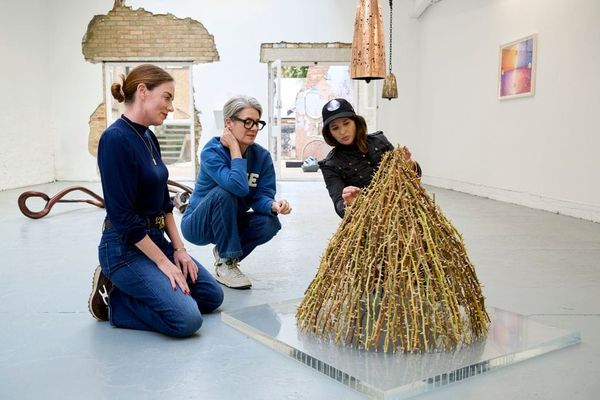
Andy lands back at the magazine as features editor, fighting for its reputation. Without much luck — until she secures an interview with a socialite who just went through a divorce. She found the contact through a piece by artist Cecily Brown in a photo at the millionaire’s home; one thing led to another, dealer to dealer, and the interview is in the bag. Miranda never once asks about the divorce, earning her trust — which is an important plot twist. Magazine sales go up, so does Andy’s career, and she starts looking for a new apartment. Presumably to avoid paying rent in New York, Andy starts dating the contractor of said future apartment.
Starbucks coffee and Diet Coke, office snakes, the unexpected death of the publishing house owner, and everything spirals in the wrong direction. Cut, and now Miranda has to hang up her own coat instead of throwing it at Emilys, discovers there’s a cafeteria in the building (We have a cafeteria? We need that on a t-shirt), sits in meetings with McKinsey-types to discuss budgets, and flies commercial economy class.
Cut, Milan. Against the backdrop of The Last Supper, Miranda hints to Andy about a betrayal, which we later witness, even though it wasn’t intended as one. There was betrayal, just not from Andy, who, 20 years later, is once again sticking her nose where it doesn’t belong. At that same dinner, under the fresco, Miranda learns the new publishing owner’s plans to replace shoots with AI and kill beauty. For a moment, we almost believe the Iron Lady has surrendered.
By the time our eyes are exhausted from the sheer amount of sequins and embellishments, we’ve clocked the Donatella Versace and Lady Gaga cameos, and the film reminds us it’s really about radical forgiveness and sisterhood. Good triumphs, women are powerful again, and the highlight — the snake is no longer at Dior, no more Runway covers for her, and now works at (what the creators apparently consider a less prestigious brand) Coach. But we forgive her too.
Did I enjoy it? Yes. Will I rewatch it like the first one with friends at a bachelorette or on day one of my period? Absolutely not. But 20 years later — pretty good. There’s even a quiet tear when you see Andy wearing the blue sweater at the end. They cut that scene but kept it in nostalgically. Disrespecting the legendary first film? People will still find something to complain about — enough body positivity? Is it okay to hire an Asian assistant? (Although the finance bro in his vest on Zoom is far more of a caricature, honestly.) We love Andy and Miranda anyway. Why? Because both of them live inside us. Just on different days :)
A lovely Cinderella story about wardrobes, fashion, and doing the right thing. Recommend watching.