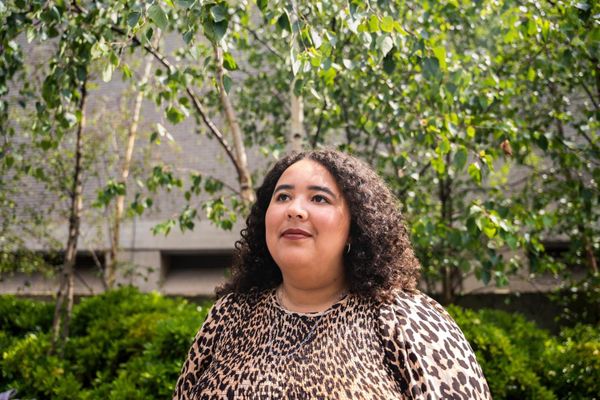
“Patronage is first and foremost a responsibility” – Alya Entts on Morus Art Group
Ahead of Morus Art Group’s London launch with Out of the Blue, founder Alya Entts reflects on collecting, patronage and the responsibility of supporting artists, while sharing her vision for a cultural platform built around collaboration across disciplines and borders.
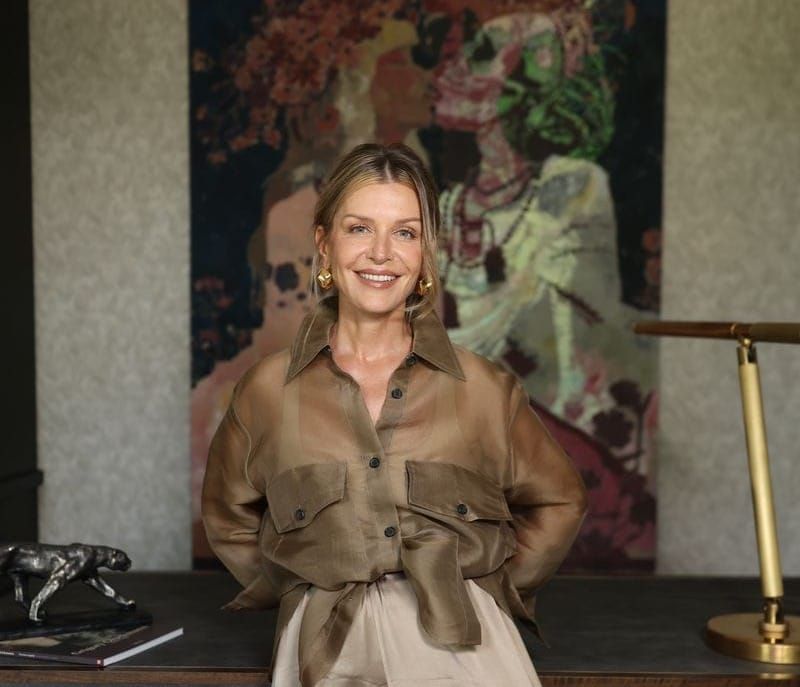
This October, Morus Art Group makes its first public London presentation with Out of the Blue, bringing together Igor Baskakov, Olya Avstreyh, Felix James and Anush Malkhasyan in an exhibition exploring the role of trust, mentorship and patronage in creative careers. Founded by Alya Entts, the London-based cultural initiative works across collecting, artist support and cultural production, connecting different disciplines and creative practices.
Ahead of the launch at The Lavery Pavilion in South Kensington, we spoke with Entts about what led her to start Morus, how she chooses the artists she supports, and where she hopes to take the initiative next.
1. What inspired you to create Morus Art Group?
We had come to understand whom we wanted to support: artists and creatives whose voices had, in one way or another, reached beyond the borders of their home countries.
This is closely connected to my own journey as the founder of Morus Art Group. Having left my homeland myself, I understand how challenging this experience can be. Whether you're just beginning your career or an established professional who has already earned recognition at home, we want to hear your story.
Through Morus Art Group, we aim to tell these stories: the stories and destinies of artists and creators working across cultures and borders. Multiculturalism, migration, and the exchange of creative perspectives can create extraordinary synergy. But such journeys, and the people undertaking them, still need support.
At first, my approach to collecting was intuitive and spontaneous. I acquired works that resonated with me emotionally, often without a defined structure or long-term strategy. Over time, I realised that a meaningful collection needs more than individual impulses: it requires knowledge, context, continuity, and a clear sense of direction.
I also come from a musical family. From childhood, music formed an essential part of my world: it trained my ear, shaped my visual imagination, and taught me to recognise rhythm, nuance, harmony, and emotional intensity. This early exposure naturally shaped how I experience art. I have always felt that visual art and music share a deep unspoken language. Both can create atmosphere, carry memory, and communicate ideas beyond words. This understanding became a foundation of Morus Art Group.
For this reason, Morus Art Group also grew out of a desire to create meaningful collaborations between artists and musicians. I am interested in bringing different artistic disciplines into conversation, making exhibitions, performances, and cultural projects more immersive and multidimensional. These encounters can open up new ways of seeing, listening, and understanding artistic work.
Ultimately, Morus Art Group is about creating a thoughtful cultural platform: one that supports artists, helps collectors build coherent, lasting collections, and brings visual art into a living dialogue with music and other creative practices.
2. What does Morus stand for today?
Today, our work moves across several fields at once. In music, we are developing a number of projects with Kirill Richter. In New York, we are going through archives to gather material for a biography of Gluckmann – a book that for now is still very much research. Between art and sport, we are preparing a project that brings the two into one conversation. We are also launching a series of Public Talks, and planning a residency where young artists can take time to make new work.For us, what connects all of this is not a single medium but an approach: long-term, research-led projects that bring artists, archives and audiences together.
3. Why did you choose Out of the Blue for the London launch?
For the Out of the Blue project, we brought together a group of artists whose work felt especially compelling to us, each for a different reason.
Felix and Anush are both very young artists whom we discovered while researching graduates of London’s art schools. Their work immediately stood out to us as fresh, distinctive, and full of potential.
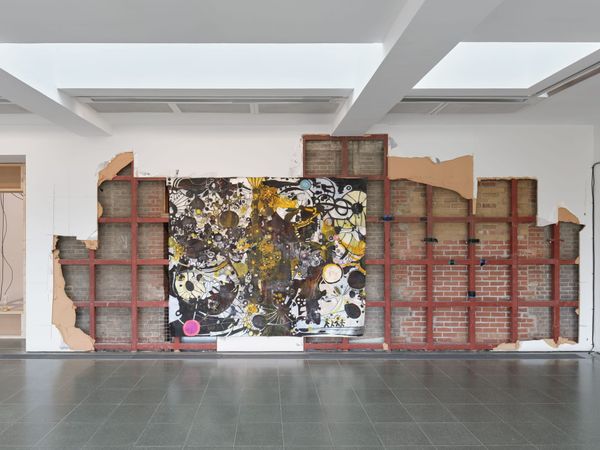
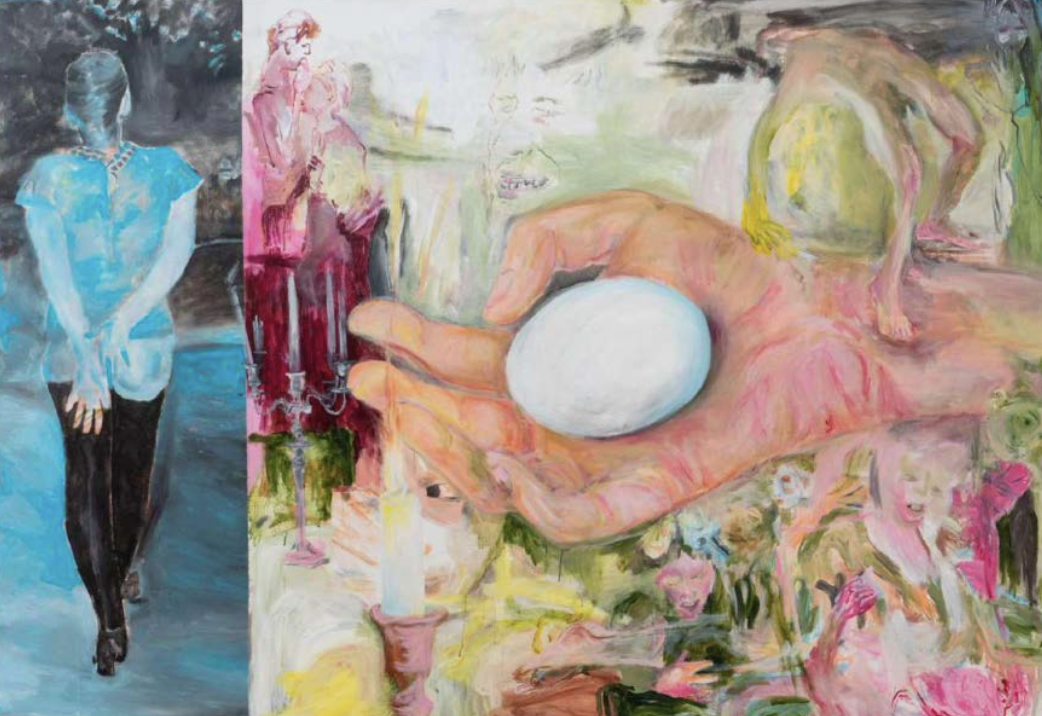
We also included works by Olya Avstreyh from our own collection. These particular works had never previously been exhibited in the United Kingdom. I remember thinking, “Well, perhaps I do have rather good taste,” having discovered such a wonderful artist through a project associated with Tracey Emin and her foundation in Margate.
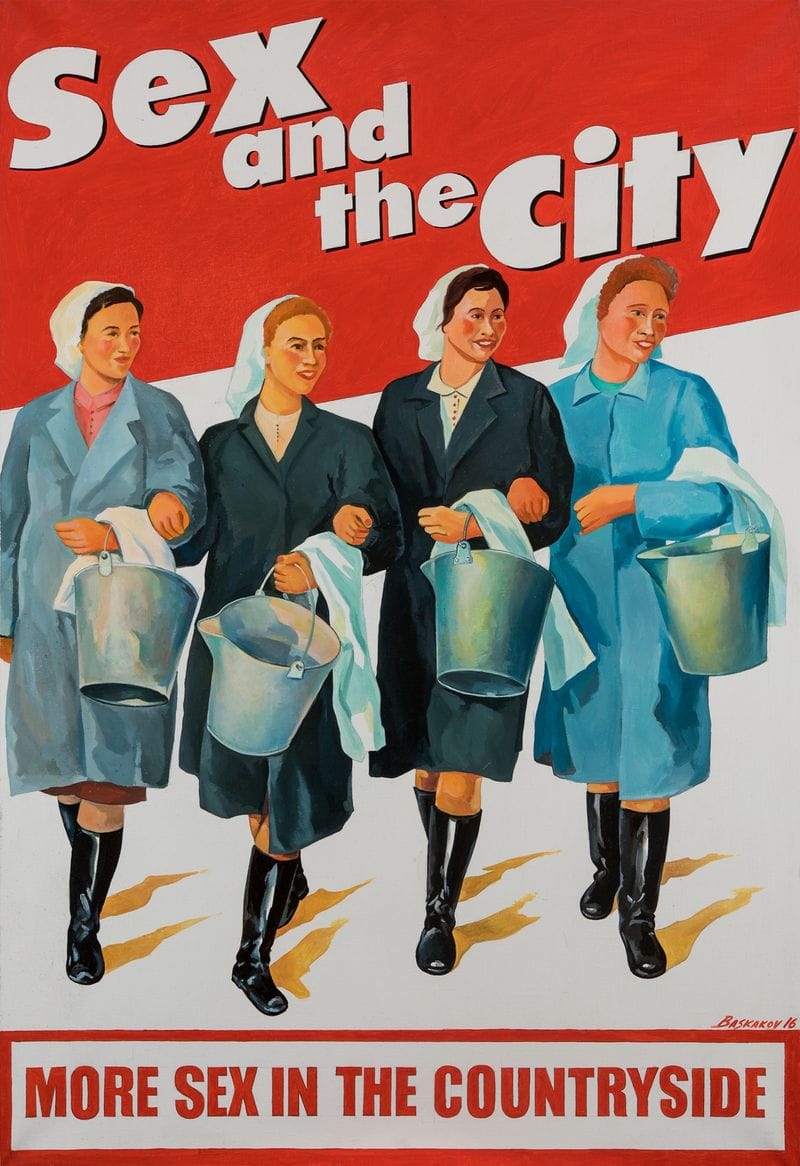
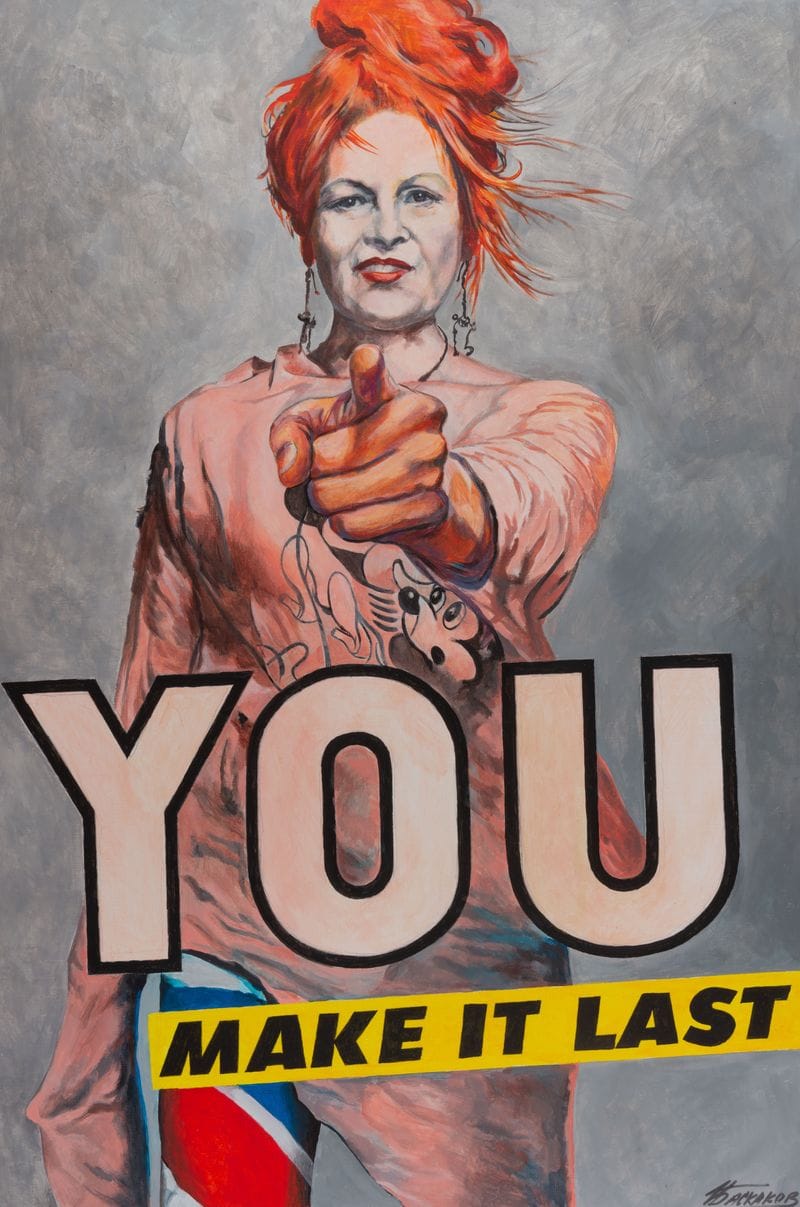
The project also features the ironic works of Igor Baskakov, including pieces prepared for us and works relating to Marilyn Monroe's centenary. Their tone felt especially close to my own mood and to my response to everything happening around us at the moment.
Bringing these artists together felt both natural and exciting: their practices are very different, yet each brings a distinct voice, energy, and perspective to Out of the Blue.
4. What does patronage mean to you personally?
For me, patronage is first and foremost a responsibility. My responsibility is perhaps even greater than that of the people we choose to support. It means recognising that we are engaging not only with artists’ work, but with their lives, their individual paths, and the depth and sensitivity of their creative practice. It requires a thoughtful, long-term, and carefully structured commitment.
5. How do you choose the artists and projects Morus supports?
I don’t choose artists based solely on my personal taste. I try to stay closely connected to contemporary art by following current trends and visiting museum exhibitions, galleries, and major art biennials.
At the moment, Berlin particularly interests me because of its active and diverse art scene. The Venice Biennale is also an important source of inspiration. It was actually through my visit to the Biennale that I discovered the outstanding contemporary artist Tammy Nguyen, whose work I saw in the main exhibition and later had the opportunity to acquire for the collection.
6. How is Morus different from a traditional gallery or foundation?
Morus is not a traditional gallery because it works beyond the visual arts. Alongside artists, we collaborate with musicians, athletes, and other creative voices.
We are interested in what happens when these worlds meet: when different forms of discipline, movement, sound, and imagination come together to create a new collaborative energy
7. What do you want Morus to become over the next few years?
Of course, I hope that in a few years’ time Morus will be recognised as a distinctive art platform. I wish our wonderful team continued growth and success, and I hope to build a project that brings together the full energy of the creators.
I also hope we will realise many visual-art projects, musical performances, and sport-and-music shows. This is, perhaps, how I see Morus developing over the next few years.