Why Oasis Still Matters — Especially for Gen Z
A new documentary, and the concerts where thousands of strangers cry together over songs from 1994
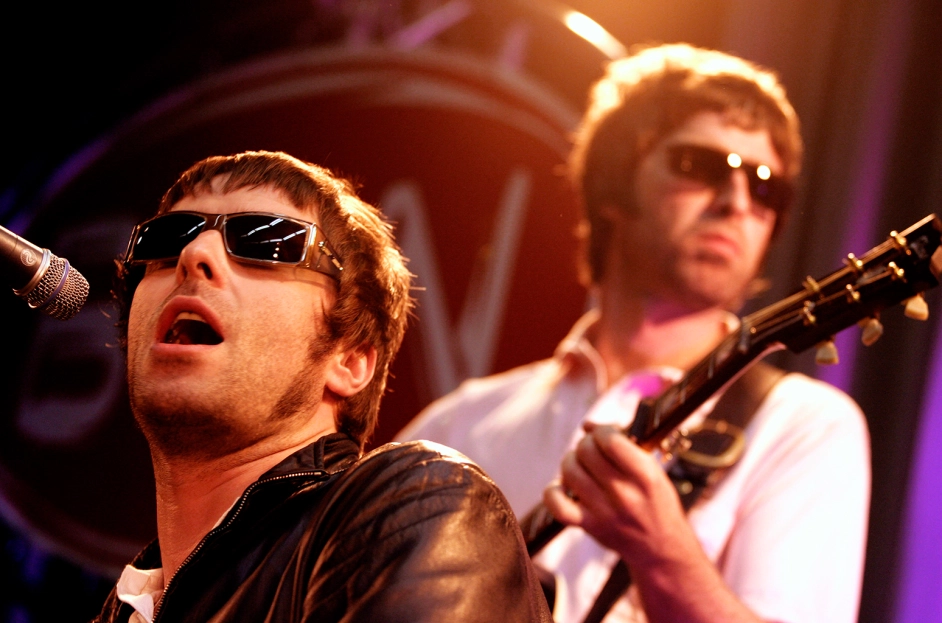
In an era where everything is everything is super polished and mass-marketed, Oasis offers something radically different: two brothers with no filter, jagged guitars, and vocals with a grating edge. As critic Reanna Cruz says: "Oasis coming back awakens that neuron in everybody's brains — especially young fans who are of the mindset of «finally, real music».
At the reunion shows, people don't cry because a song sounds good. They cry because of what it means — Live Forever as defiance for anyone who's ever felt stuck or ignored, Don't Look Back in Anger carrying the weight it's held since it became an anthem of unity after the 2017 Manchester Arena attack.
At a recent Manchester show, 80,000 people — many born after the band split — sobbed through "Champagne Supernova." "Nobody at the Oasis show cares if you're cool," wrote The Fader. "Life is too short not to be singing on a field in Manchester with 80,000 of your closest friends."
Oasis never overcomplicated it. This band made a better Britain feel possible — inclusive, working-class, communitarian. And at the reunion shows, people are feeling something rare: collective hopefulness that's almost impossible to find elsewhere in British culture today.
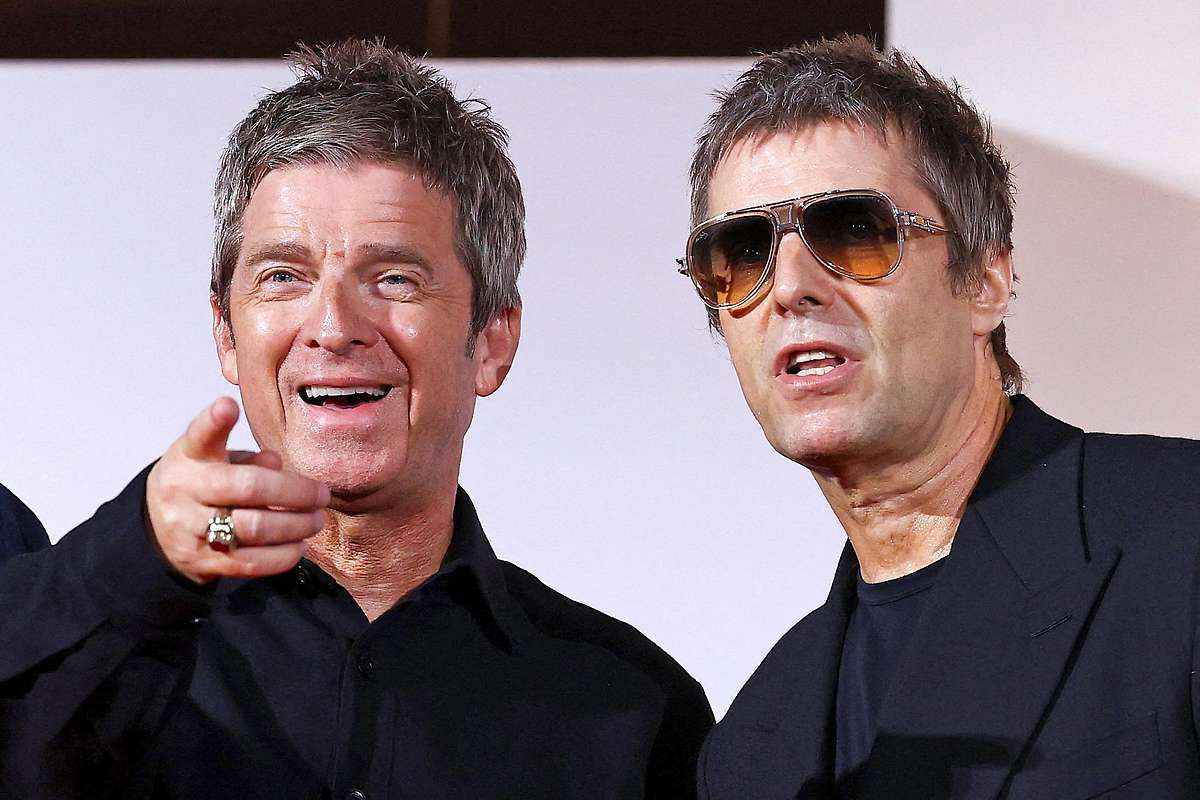
The new documentary Don't Look Back in Anger premiered at the Venice Film Festival to an eight-minute standing ovation. It's a story of reconciliation, redemption and forgiveness, as screenwriter Steven Knight describes it. Two brothers who spent fifteen years not speaking, walking out hand in hand, not because they fixed everything, but because «music brought us back together.»
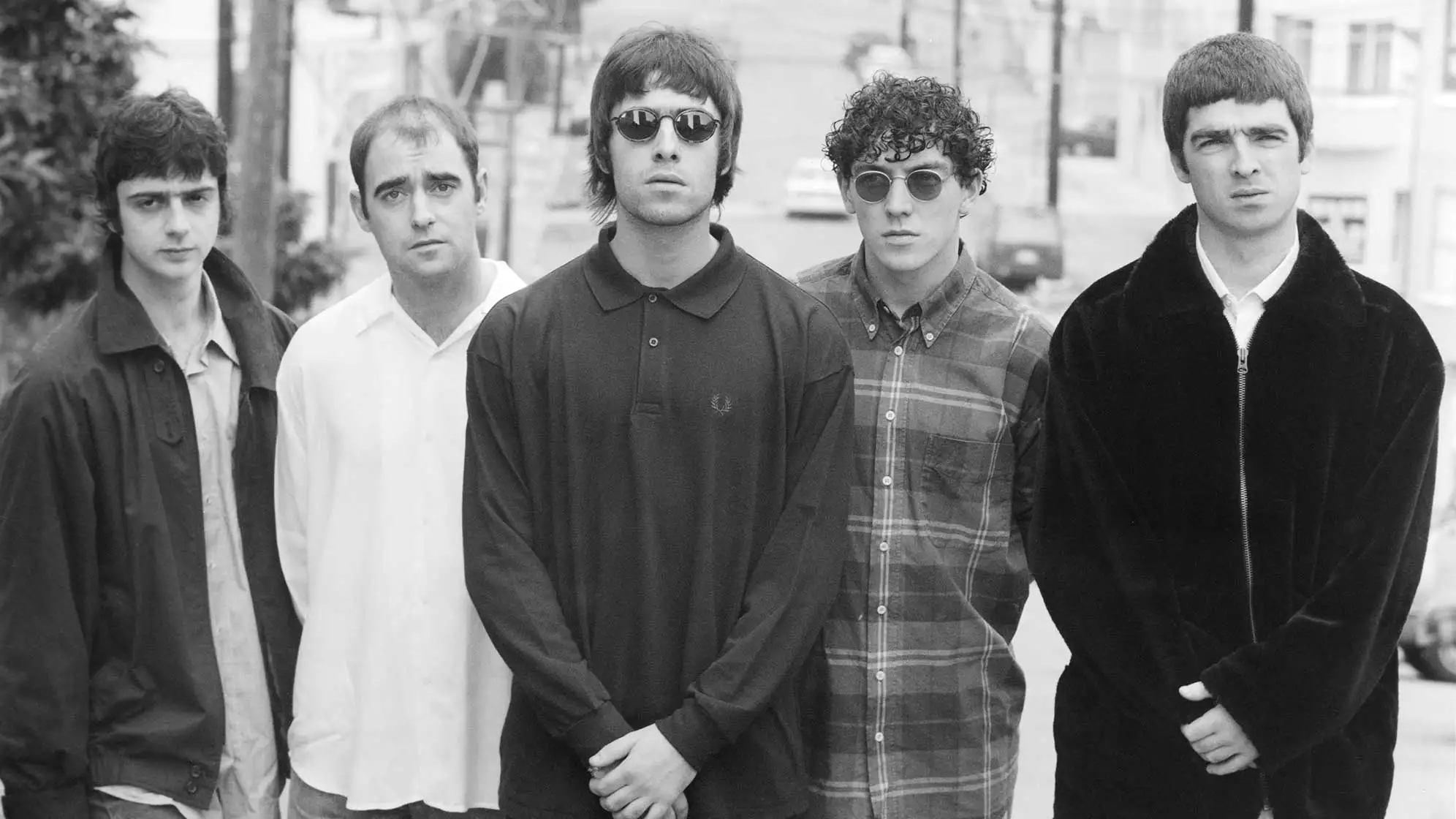
Liam jokes in the new documentary Don't Look Back in Anger that the world fell apart the moment Oasis did — and then it shows you the years that followed, and the joke stops being funny. Something about that gap felt heavier than a band breaking up.
They taught a generation that you could be seventeen, clueless and free, and that rolling with it was enough. So when two brothers who spent fifteen years not speaking walked out hand in hand, it wasn't a nostalgia trip — it was proof that healing doesn't arrive as a strategy. It arrives when someone decides to stop walking away.
A gulp of air for a world that has forgotten how to come back together. If they can, maybe we can.