Do Not Open: A History of Cursed Files
From cursed videos and Slender Man to the Backrooms and AI-generated horrors, creepypastas have evolved from digital folklore into a language of contemporary culture. How did internet myths become parafiction — and why are artists returning to their unsettling aesthetics today?
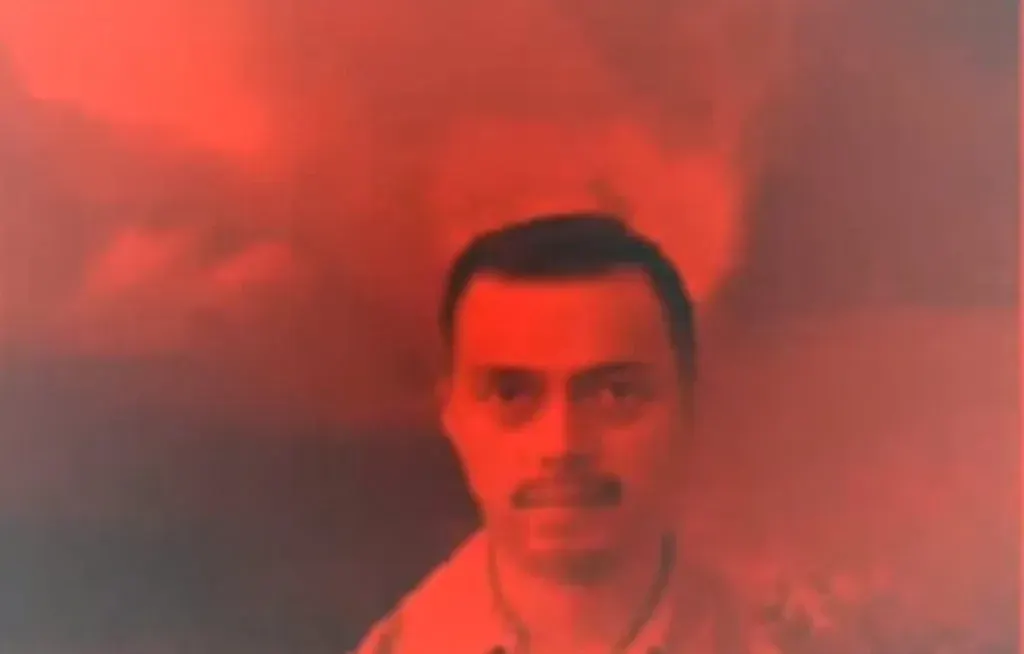
In a space bathed in red, a man stands, looking directly into the eyes of anyone who plays this video. The man is motionless, but the image itself flickers—these are traces of digitized film, compounded by the appalling quality of the image, which is breaking down into pixels.
Suddenly, the image shifts to a contorted grimace—the figure has moved closer to us, and in its demonic face, the viewer finds a primal terror that will haunt them for several more days. How fortunate that the victim in Mereana Mordegard Glesgorv’s video didn’t find the full version of the recording; otherwise, what she saw would have driven her mad and made her gouge out her own eyes.
Or perhaps it’s just as well that the man in the video is named Byron Cortez, who works for a marketing company in the Virgin Islands, and that the full version of the video never actually existed?
Creepypastas became an internet phenomenon and later evolved into a form of digital folklore at the turn of the 2000s and 2010s—their popularity was driven by the rapid growth of social media and the first photo and video editing programs available to the general public. Many children were afraid to launch the first versions of Minecraft and encounter Herobrin, the “dead brother of the game’s creator.” Or they spent hours on YouTube searching for the deadly video by Mereana Mordegard Glesgorv, which I mentioned earlier. In hindsight, it’s clear that each of these pieces of content was speculation based on the young audience’s limited understanding of the digital environment (the primary readers and viewers of this content were people aged 17 to 27).
Internet myths have become a superstructure built upon reality (for example, there are “cursed videos” featuring Michael Jackson and Mickey Mouse), therefore, drawing on Kerry Lambert-Beatty’s book "Fiction: Parafiction and Verisimilitude", we can describe the “deadly files” as parafiction—“a performative that exists at the intersection of truth and fiction.” Together, we’ll explore how these parafictions emerged, how pop culture subsequently began using them as a foundation for creating its own content, and how artists draw on the legacy of the “dead files” in their work.
Before Creepypasta Had a Name
When I told my friends about the idea of writing this article, it turned out that not all of them were familiar with creepypastas, so the first thing to do is figure out why they were so scary and how they convinced people of their authenticity.
The first scary stories began appearing back in the ’90s in the form of “cursed letters,” in which recipients were promised terrifying events in the future (though the exact content of such messages is unknown). These stories, which hadn’t yet been given a definitive name, continued to evolve in the 2000s, and the most popular of them was “Ted the Caver,” written in the format of a blog diary by a speleologist exploring a mysterious cave with his friends. His story ends abruptly, and the character is considered missing.
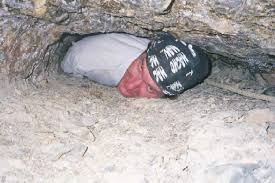
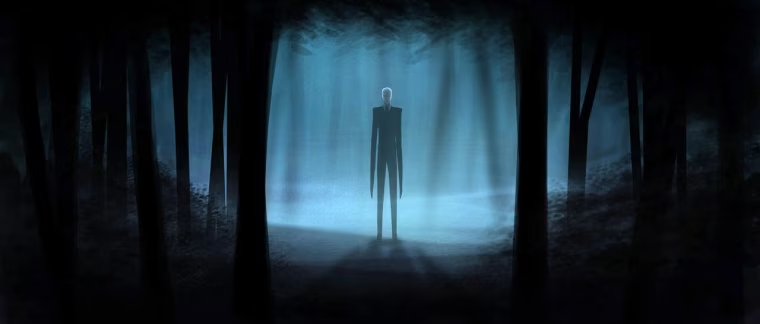
The term “creepypasta” itself first appeared around 2007 on the forums 4chan and Something Awful, which played an important role in the creation and spread of the genre. The word is a portmanteau of “creepy” and “copy/paste,” which describes how the stories are shared. Creepypastas share many characteristics with folklore: the original author is often unknown, and the story’s origin is “classified”; the stories change from site to site, accumulating new details; photos and videos also take on different forms. Like folklore, creepypastas can serve as a means of expressing collective experiences and fears. They provide an opportunity to process fears through stories, thereby reducing tension. For example, the most popular character in such stories, Slender Man—originally created for a photo contest on the online forum “Something Awful” in 2009—has become the embodiment of a demon or spirit in a modern interpretation. He has become the central link connecting stories from online forums with pop culture, featuring as a character in games, movies, and countless pieces of fan art.
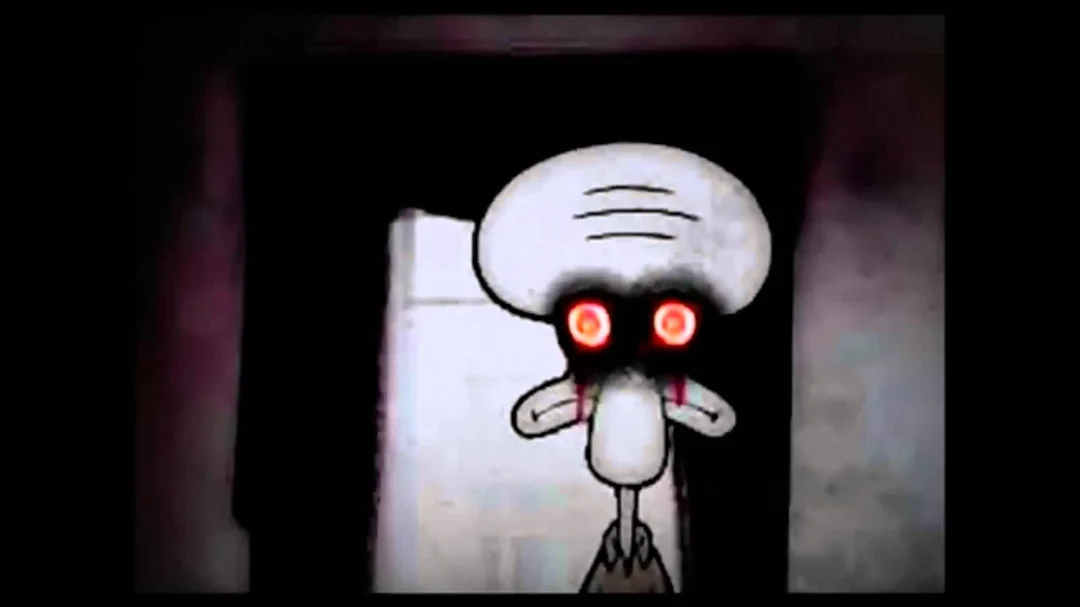
Creepypastas seem ridiculous 10 years later, but back in the day, they really did scare a lot of teenagers and children. Many of the stories were tied to children’s cartoons (such as “Squidward’s Suicide,” a banned episode of "SpongeBob SquarePants") and video games (the aforementioned Herobrin). In half of these stories, children were bound to die; these deaths were often presented as historically proven facts, and many of the stories involved secret TV channels, broadcasts, and lost films. Along with fakes and parodies on YouTube and in chat rooms, there were videos that were genuinely capable of scaring an unprepared viewer—when you click on the next video, you never know what you’ll stumble upon.
From Digital Folklore to Popular Culture
Due to the rapid and widespread circulation of such stories (especially considering that the internet at the time was as vast and unexplored as an ocean), these narratives were co-opted and turned into more commercial products. From Slender Man, who inspired a large number of games and several movies, to "Channel Zero"—a show that ran for four seasons and was based on popular urban legends. For example, the first season was dedicated to the fictional children’s show "Candle Cove", in which truly terrifying events gradually began to unfold.
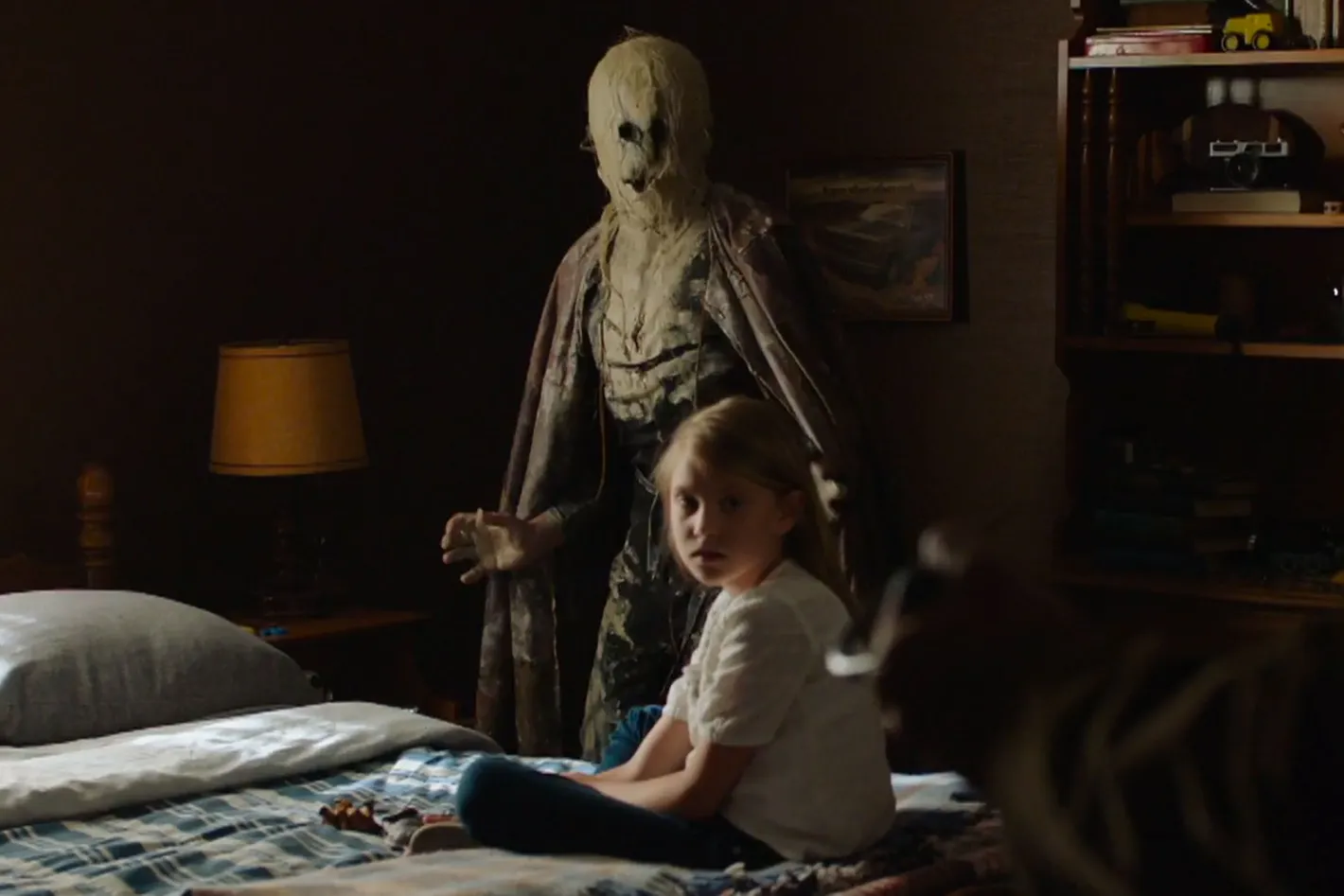
By that point, creepypastas—which had previously drawn on pop culture—had themselves become the raw material for creating new content. Still terrifying, the creepypasta universe reached a mass audience, which accelerated both reflection on these stories and their debunking. It quickly became clear that all the “deadly” files failed the first round of checks using modern software.
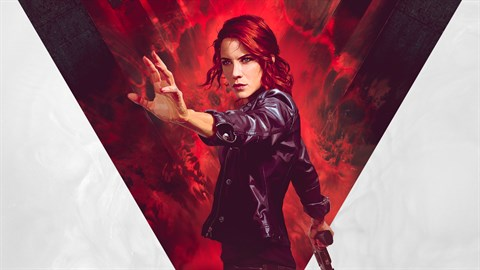
In 2019, the game "Control" was released by the major Finnish studio Remedy, featuring the aesthetics of the SCP Foundation. It seems to me that the game ushered in a new phase in the evolution of the creepypasta aesthetic—by reimagining its texture and narrative structures, it opened up new possibilities for future artists and creators.
Creepypastas now
Can we call creepypastas art? Perhaps they’re more like creative works that have become folklore. But now these stories, debunked countless times, have become a source of inspiration for media artists, and the aesthetic itself evokes curiosity rather than fear. Nevertheless, the mechanism works like this: a new technology emerges—it’s scary—the technology becomes familiar—works based on it are preserved and become more of a historical milestone—the technology evolves—the works become deeper and broader, but no longer evoke the same emotions as the first ones. And so it goes until the next technology comes along.
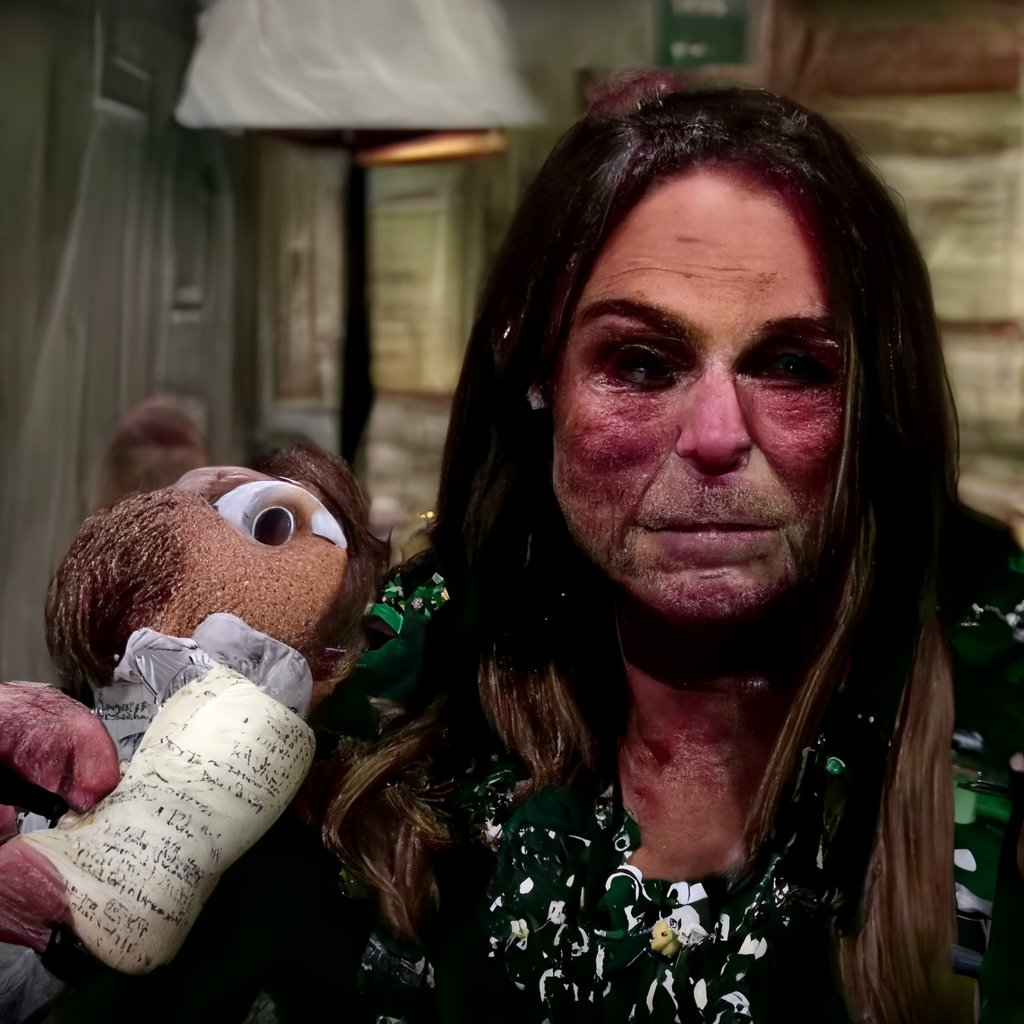
In the early days of AI, a disturbing image of a girl named Loab appeared on the internet—the first AI-generated creepypasta, created by artist Steph Maj Swanson, who used the “Text to Image” model. She asked the AI to generate a result that was “as different as possible from the given prompt,” which ended up becoming yet another viral story.
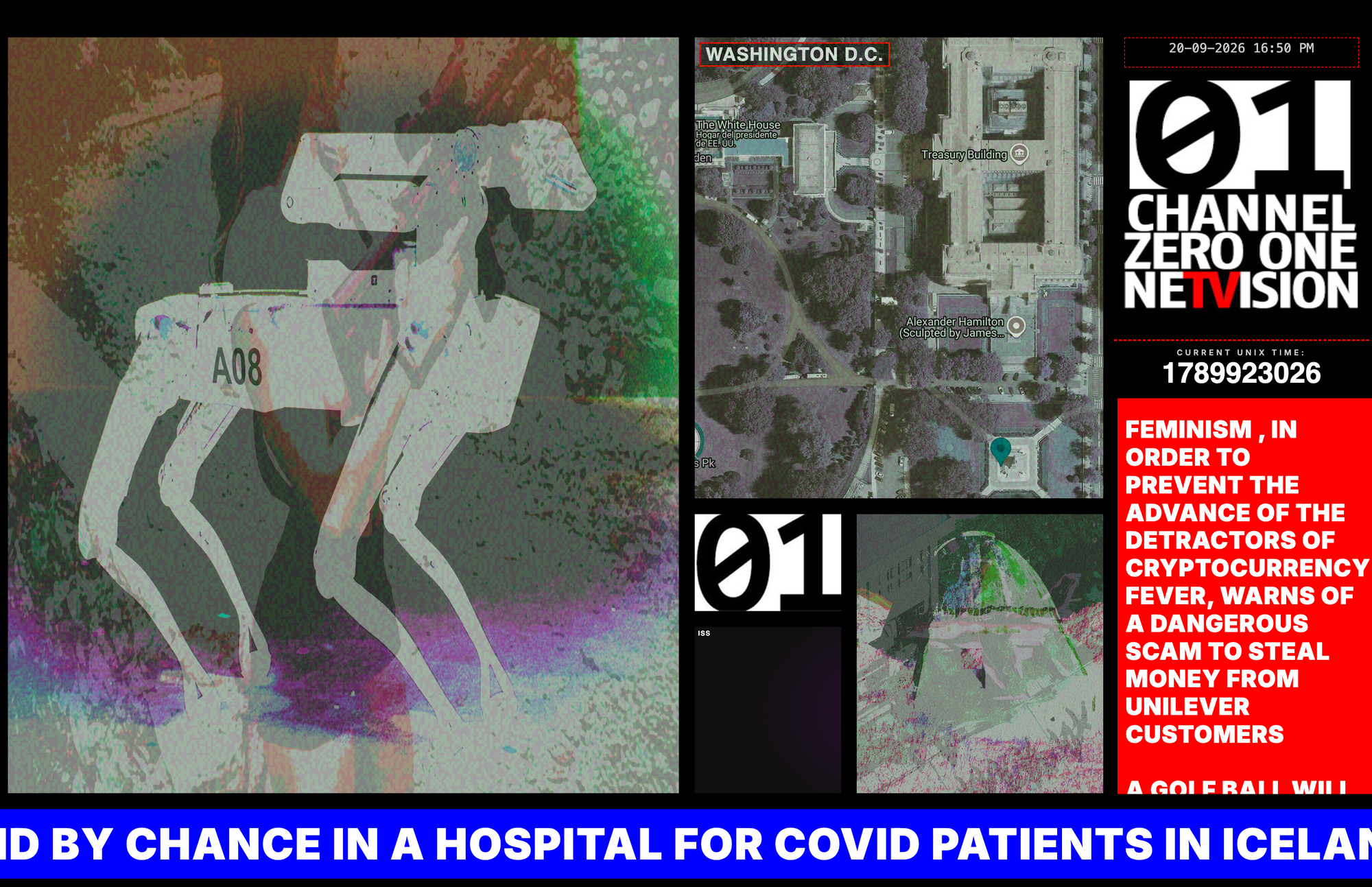
“Channel 01 NeTVision” by Argentine media artist Gustavo Romano looks like one of the early prototypes of a “cursed website,” but is actually an example of “Counter-Artificial Intelligence.” The project explores how we perceive reality through media algorithms, yet employs such a cacophonous aesthetic that one can’t help but feel this website is yet another artifact of the dark side of the internet.
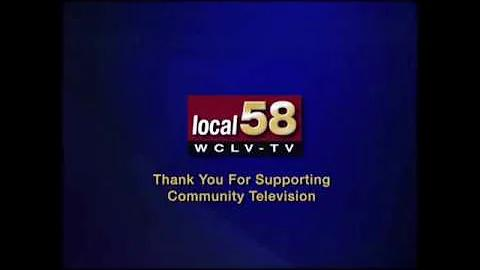
And there are quite a few examples of this kind of retro or cutting-edge horror: LOCAL58TV, which uses the aesthetics of old films and plays with the aesthetic of cursed videotapes; and Alexandria’s Genesis, an exploration of the “perfect human” phenomenon and how myth becomes reality, by artist Dian Joy. And the recent success of Backrooms has made the creepypasta phenomenon even more well-known and popular.
And...
It’s practically impossible to track the growing volume of content associated with creepypastas. Due to its vague nature, a vast number of things can be included in the list of internet horror stories. All we can say is that we’re currently in a transitional phase, where all AI-related scare stories are gradually being debunked. So if you come across a completely new piece of tech next time, just know this: something might very well scare you on the internet very soon.