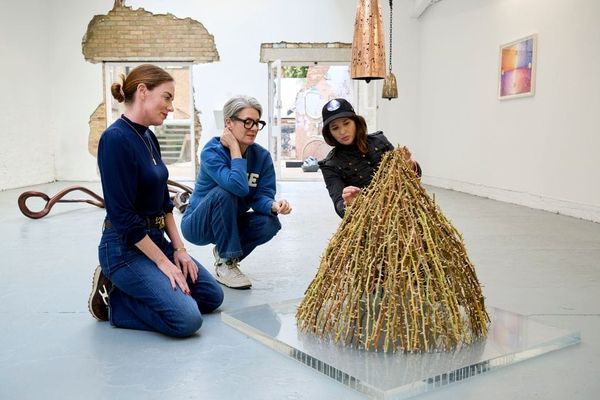
Viet N'Guyen on "The Future of Luxury"
Is exclusivity still what makes luxury desirable? Bringing together perspectives from fashion, art, media, and technology, "The Future of Luxury" explores the industry's changing landscape.
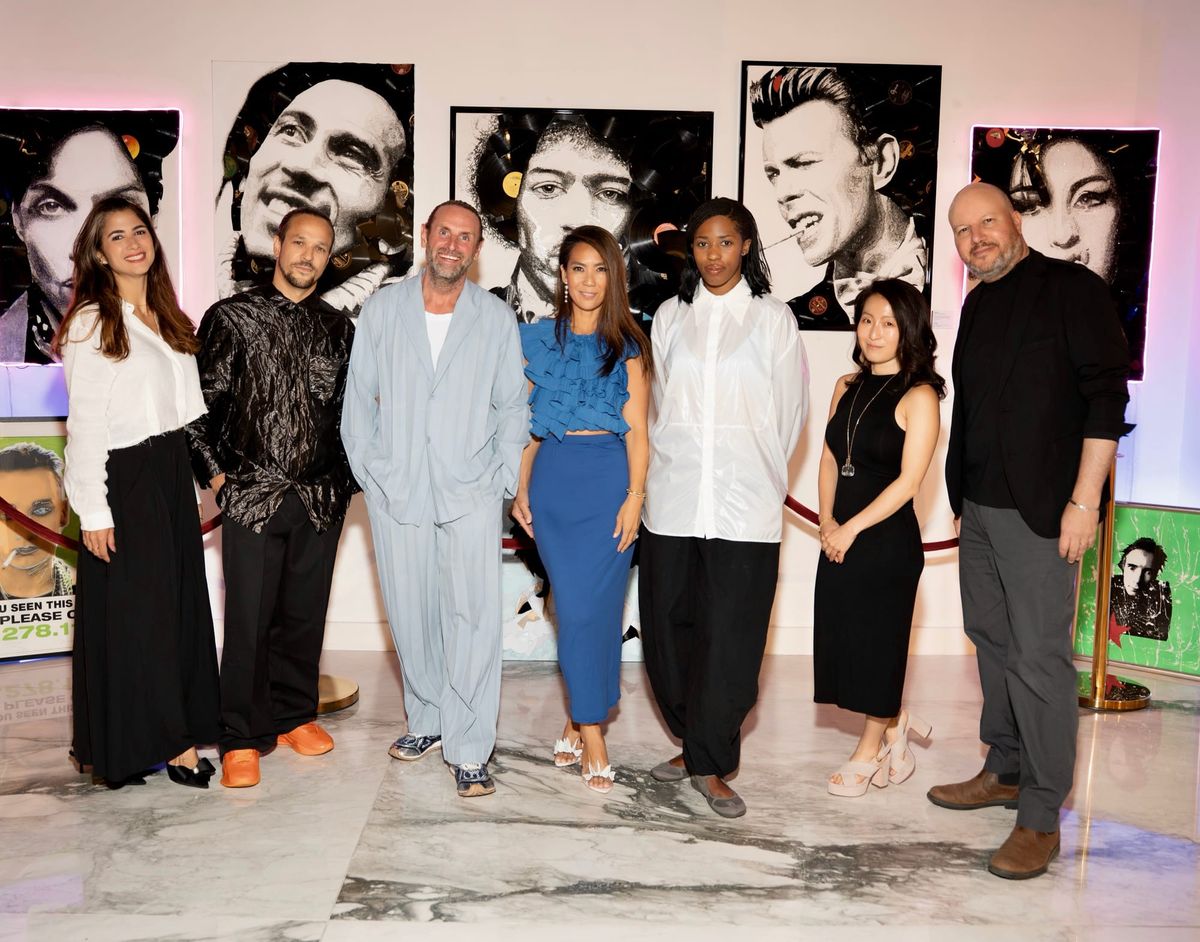
As the luxury industry navigates shifting consumer values, emerging technologies, and changing ideas of exclusivity, the question of what defines prestige today has become increasingly complex. Following the publication of The Future of Luxury, we spoke with Viet N’Guyen about how the book came to be, how our understanding of luxury is changing, and what lies ahead for the industry.
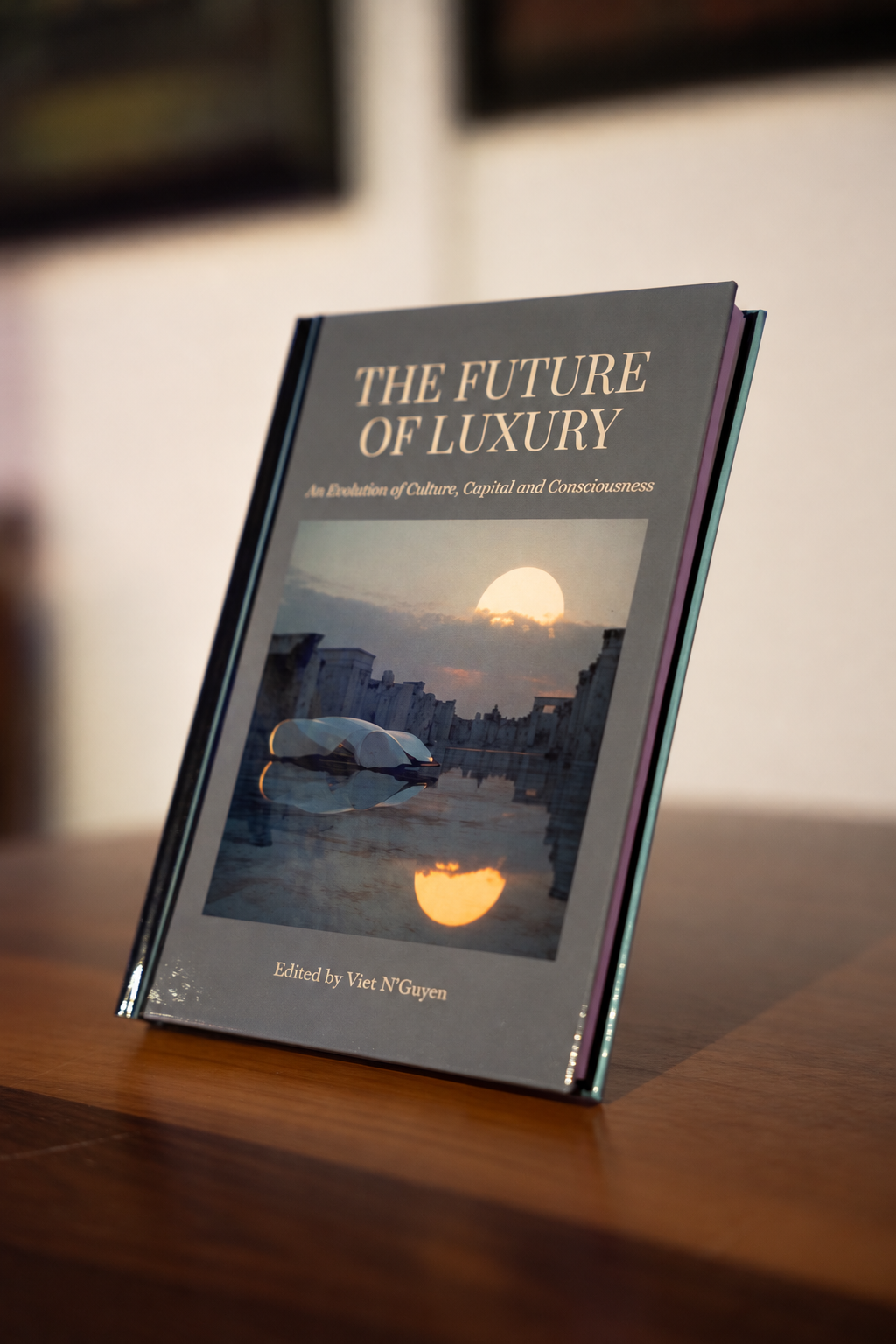
1. What made this feel like the right moment to turn the Future of Luxury conversations into a book?
The book originated from an annual think tank, my agency, Issa PR – a global luxury marketing firm with clients from Vogue Italia, Fendi, the UN, and Warner Music – has curated and led over the past six years. This year, we hosted the sixth thought leadership symposium to discuss insights, trends, and future forecasts for the industry. We assemble leading visionaries, fashion designers, changemakers and editors, which have included Alice Temperley and Timo Weiland through to senior editors from Monocle Magazine, Newsweek, New York Times – T Magazine, British Vogue, as well as leaders from Kering, Warner Music, London Design Week & Biennale, NASDAQ, Quintessentially and others. Previous speakers have also included inspiring photographers, filmmakers, gallerists, artists, creatives and strategists.
We were approached by Cambridge Scholars Publishing - one of the leading academic publishers in the world, which produces books for universities and libraries, as well as entrepreneurs and leaders – to create a book based on similar insights and future forecasts for the industry. With the think tank, I originally wanted to make a difference in the world and society today. The world is more fragmented than ever before, with intense geopolitical fractures, tectonic relationships, and consumers re-evaluating their relationship with brands. So the book takes a macro perspective on these issues and explores opportunities for success. We'll be visiting universities around the world with the book in the next few months, so that is exciting to teach and inspire future luxury leaders.
2. The book suggests that authenticity and community co-creation are beginning to replace exclusivity as markers of prestige. What does that shift mean for the traditional idea of luxury?
Luxury has traditionally been perceived as unparalleled craftsmanship, rarity, and exclusivity. The new book explores how that definition is widening and has evolved significantly over the past few years, with identity, authenticity, cultural relevance, and community playing a growing part in how consumers understand prestige and value. The future of luxury will be shaped not only by what brands create but by the values, communities, and new technologies they choose to engage with.
3. Has luxury become too visible and too accessible through social media, or has digital culture simply changed where its value comes from?
The book discusses a big shift in communication with consumers. In previous decades, communication was largely top-down, with media outlets broadcasting news, collections, and announcements to consumers. Today, this has changed significantly, and co-creation is now fundamental to a brand's success. The book analyses how the luxury industry now communicates and constructs value in different ways, and why this matters for the future.
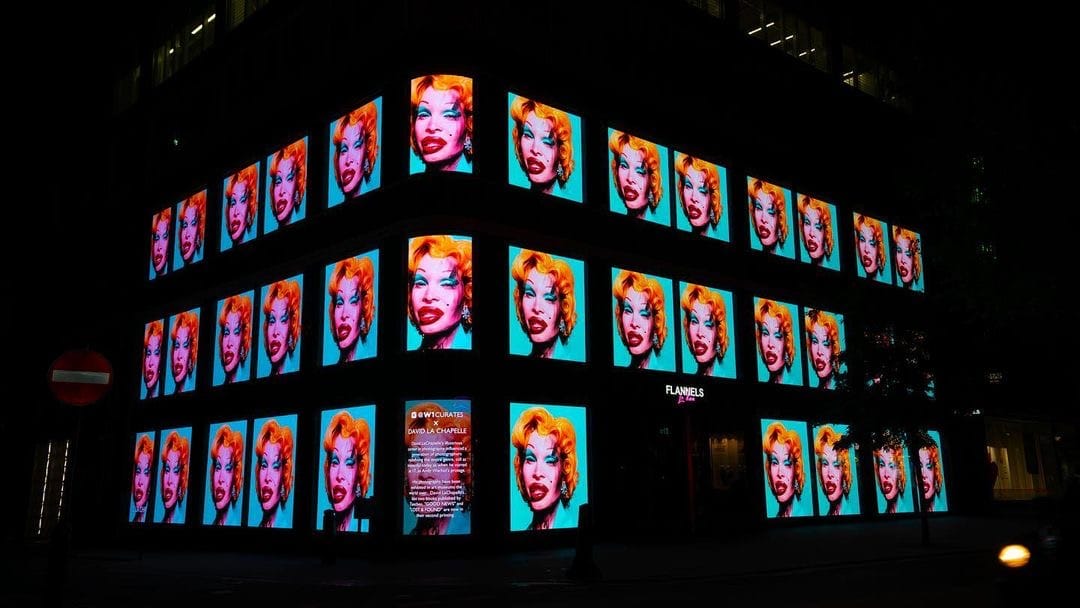
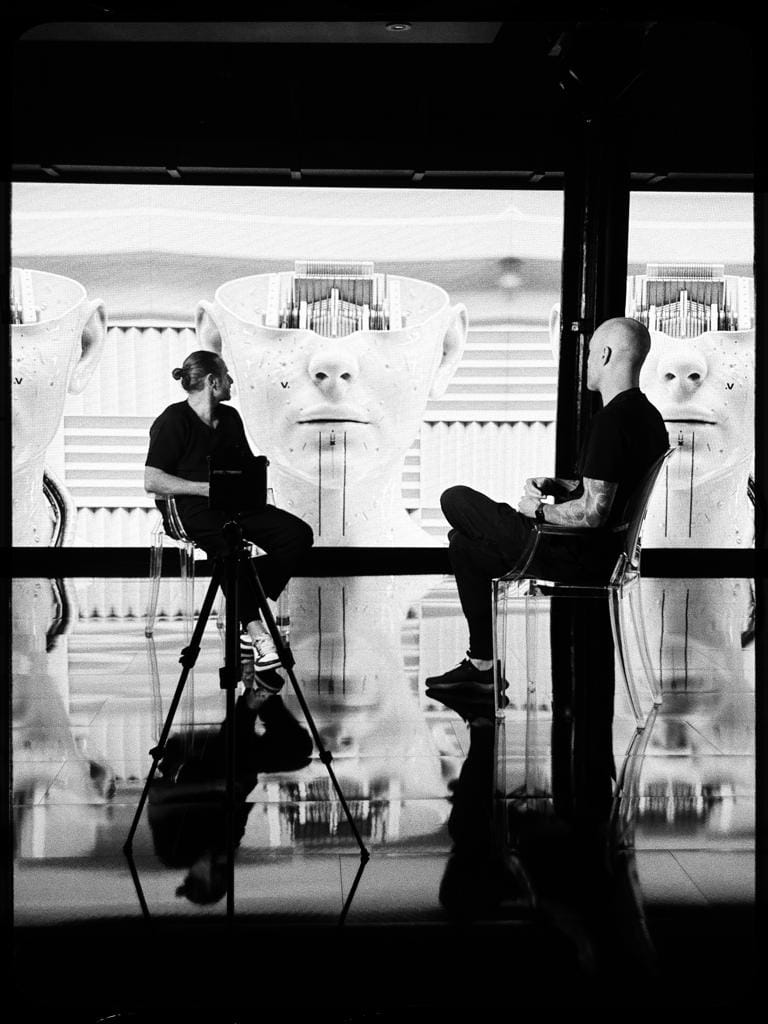
Bianca Saunders Zine - Future of Fashion Essay; Mark Dale - Future of Art Essay (David La Chapelle Installation at W1 Curates); Mark Dale (W1 Curates - Future of Art) and Ash Thorp
4. How do you define cultural capital in the context of luxury today, and how can brands build it without simply borrowing from cultural movements or communities?
Cultural capital is non-financial social assets, such as knowledge, skills, behaviours, language, and experiences that can provide a person with a higher status and greater opportunities in society. Authentic storytelling is paramount to ensure cultural capital is integrated into the brand story, the founder's story, and any new emerging company. Legacy brands that have done this wrong have faced major crises, so it's essential to plan and, where possible, test with a small focus group or trusted advisors before launching anything.
5. AI and phygital experiences are becoming increasingly prominent in luxury marketing. Where do you see them creating genuine value, and where do they risk becoming a gimmick?
The book details AI at length, the rise of phygital, and technology’s impact on high-end retail. Luxury marketing has essential non-negotiables, and when done correctly, they can become paradigms for business innovation and success. Bruno Centofanti, an AI filmmaker, director, and cinematographer, discusses luxury storytelling in detail and shares specific retail and AI strategies for brands from Louis Vuitton to Chanel and Gucci. He also shares when AI has gone wrong when used incorrectly.
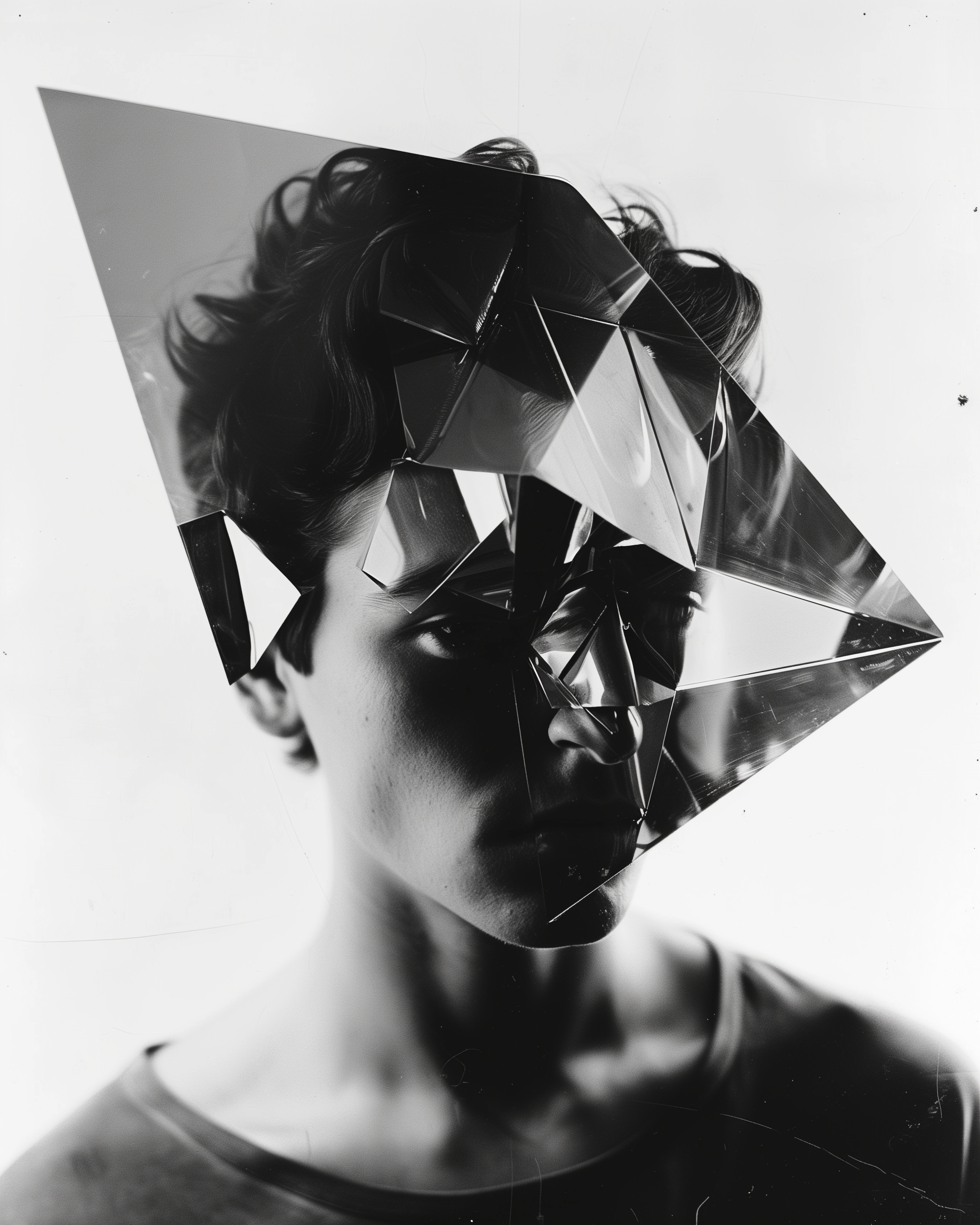
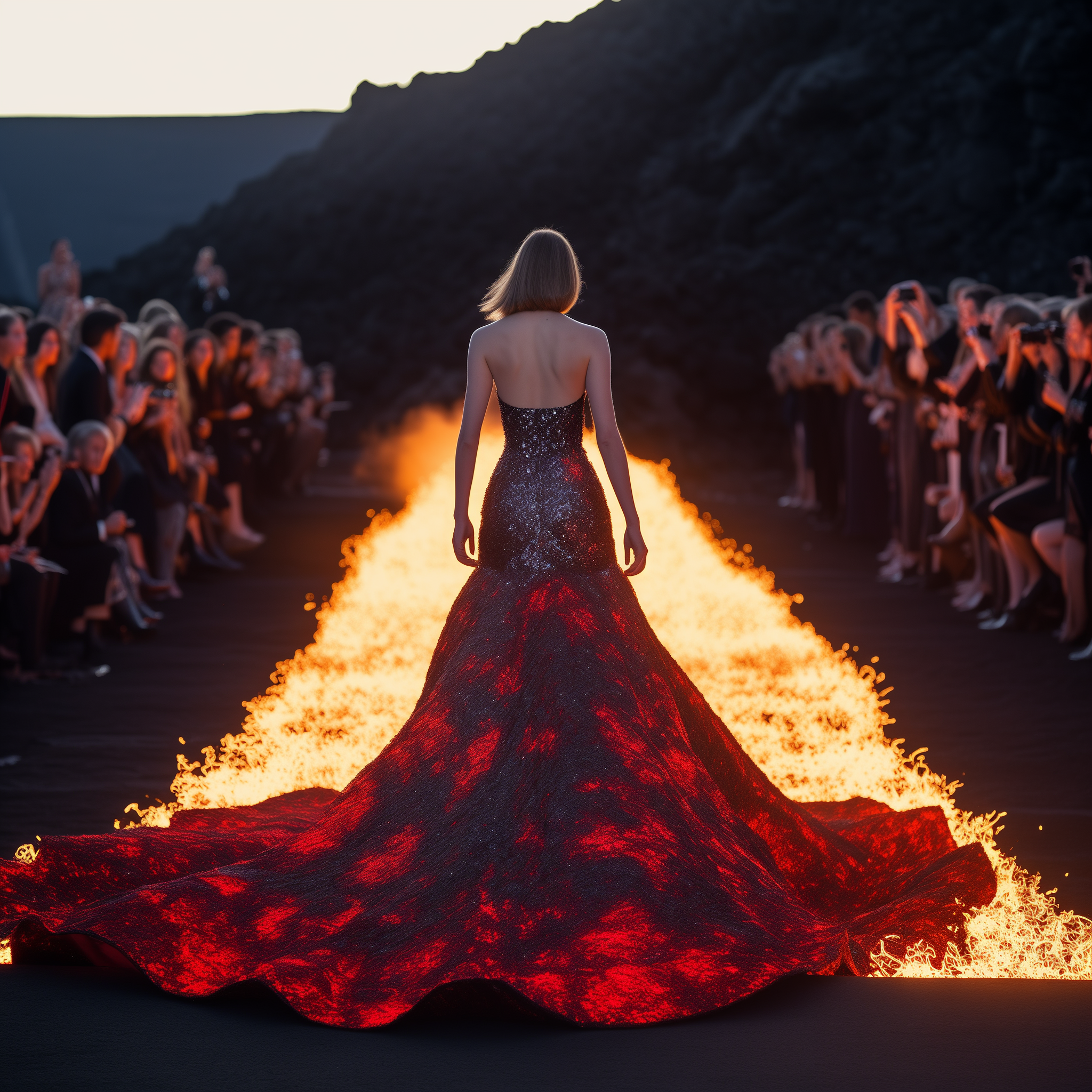
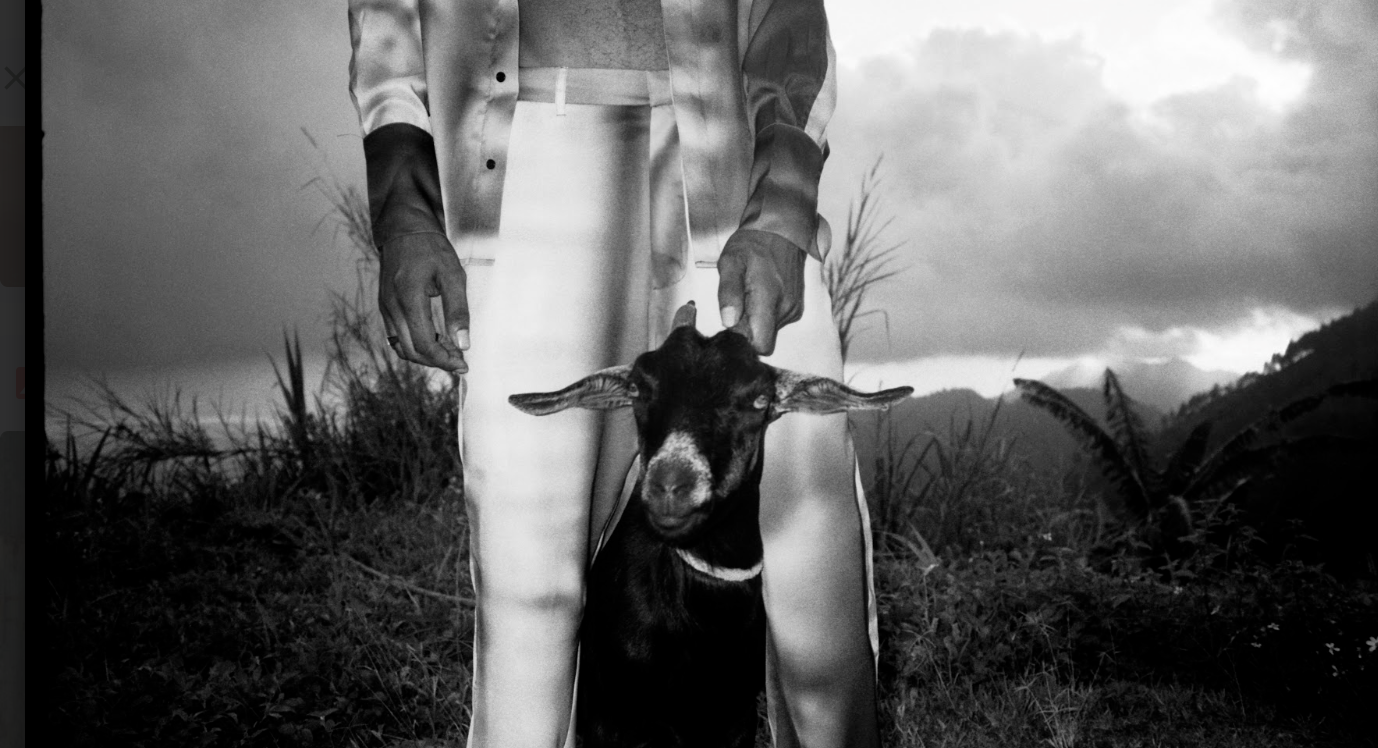
Stefan Jakubowski - Future of Photography. AI Photography; AI Image Model Walking on Lava by him
6. Sustainability and social responsibility now appear in almost every luxury brand narrative. What distinguishes meaningful change from sophisticated marketing language?
This is an important question that directly affects authenticity and the success of CSR campaigns. Luxury brands are increasingly integrating CSR, purpose, and philanthropy into their ethos and mission. We explain why this matters, and menswear designer Bianca Saunders also discusses what legacy brands have been doing in this space. We touch on Stella McCartney as a pioneer in sustainable and ethical luxury fashion, through to Burberry's aim to use responsibly sourced and certified raw materials by 2030, preserve its heritage craftsmanship, and be carbon-neutral in its own operations. We also discuss Chloé and Prada focus on environmental responsibility, Chloé's B Corp certification, and Prada's ocean conservation efforts with UNESCO-IOC (Intergovernmental Oceanic Commission). Overall, meaningful change is best seen through action rather than copywriting.
7. As consumers and online communities gain more influence, how much control should luxury brands be prepared to give up?
Social media has rewired luxury’s communications model, which can be seen through campaigns by the biggest – and smallest – fastest-growing brands in the world. Speed has replaced tranquility and slowness. Fashion Week around the world has moved from runway shows to streaming. It's not about giving up control but understanding the world works differently today, so co-creation and community engagement are now a priority in the marketing mix.
8. The book brings together contributors from fashion, art, film, photography, automotive culture and media. Were there any points where their visions of luxury’s future differed significantly?
Each contributor assessed the impact of AI on their respective sector, with many contributors being proponents and supporters of AI, if used carefully. Several discussed the importance of philanthropy, CSR, and social good as critical points of difference, and how authenticity is also paramount. Diversity & Inclusion was a recurring theme in reflecting today's consumer, and many spoke about the current inflection point in each sector and how to move forward.
9. Which markets, communities or cultural movements do you think will have the greatest influence on luxury over the next decade?
New luxury consumers mean shifting demographics. Emerging nations are new luxury power players, and this impacts consumer behaviour. There is an excellent chapter by D&I expert and leader Jonathan Saw, who has led transformations with numerous luxury companies. He details changes in luxury consumer demographics. How the economic engine of Asia is no longer "emerging" but rather an engine of global luxury, and the rise of new cultural hubs previously classified as the “Rest of the World,” are now driving culture and defining taste. Cultural strategist Nicole Ingra has also created an original framework, a cultural luxury codex of seven key groups to measure cultural relevance and succeed culturally. Categories include: Codes, Credibility, Community, Customs, Content, Care, and Cutting Edge.
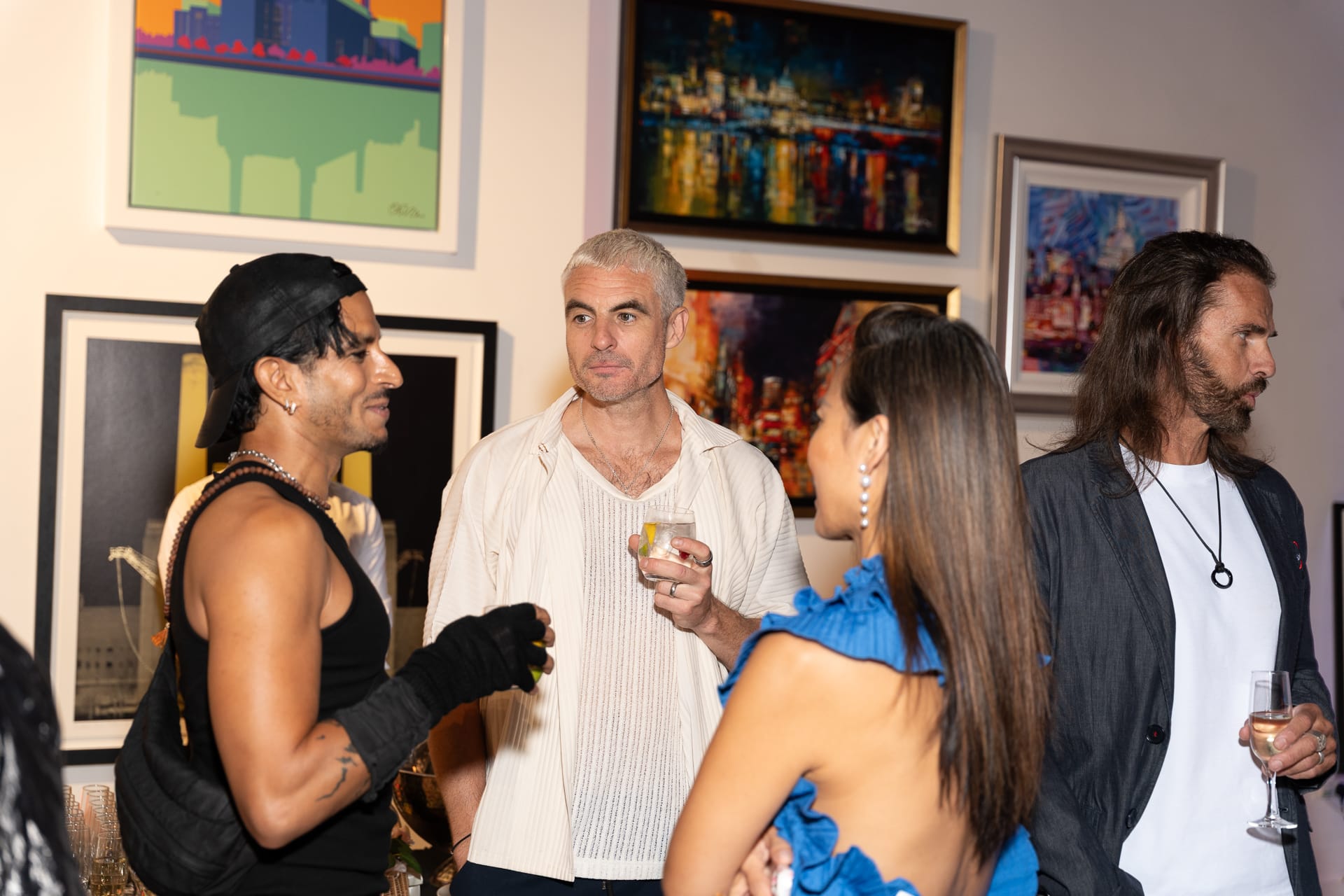
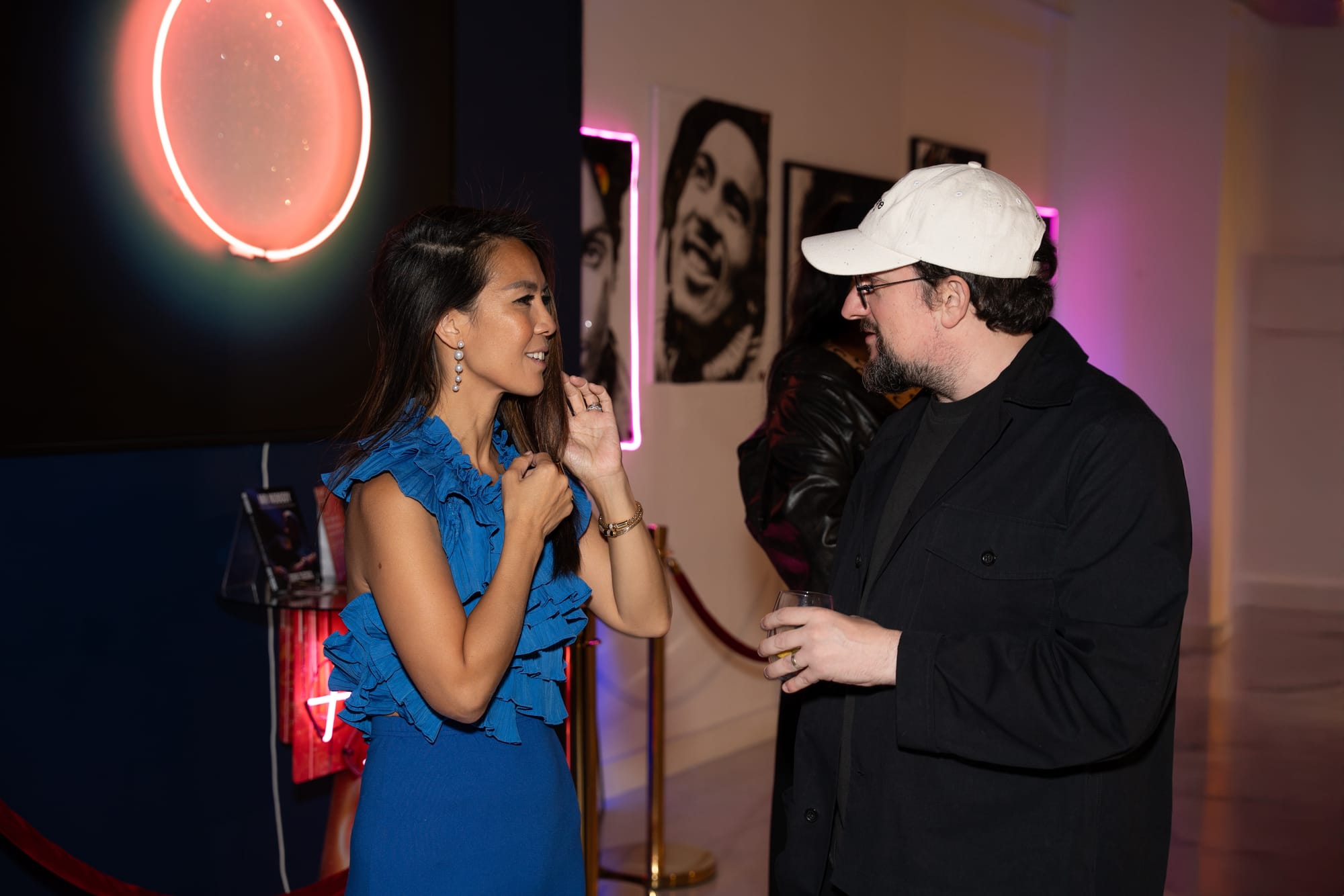
Neo 10Y, Paul McEntee & Viet N'Guyen; Michael Litman & Viet N'Guyen by Juan Esteban
10. If we revisit the industry in five years, what do you think will have changed most dramatically?
Over the next five to ten years, it is clear that luxury must be agile, narrative-driven, and culturally aware to thrive in a world where prestige is shaped by participation, not just provenance. From new phygital tech touchpoints to luxury's shift from objects to experience, to compelling, purposeful content and consciously driven campaigns, the future of luxury is more fragmented and powerful than ever. The luxury lexicon is also changing, so brands and companies must stay up to date on how luxury is construed today and how it's communicated around the world.