Fundamentally: Who Gets to Belong, and Who Gets to Be Saved?
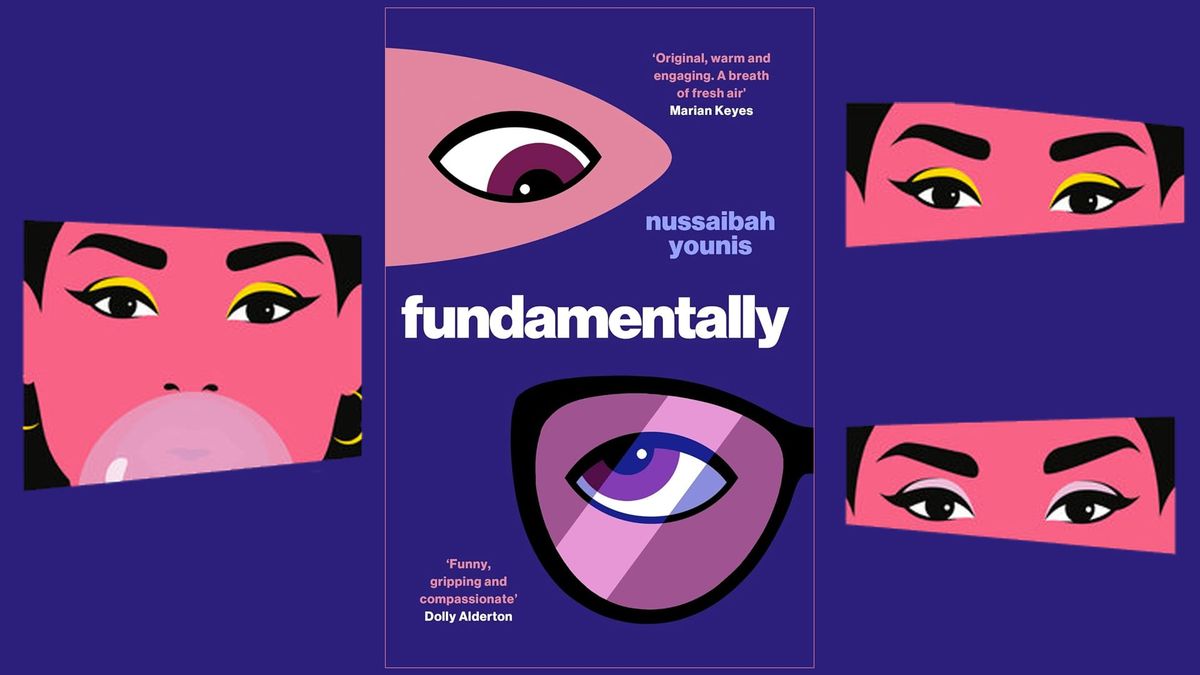
In Nussaibah Younis’s debut novel, political extremism becomes the setting for a much more intimate story about queer identity, family and the dangerous vanity of believing we understand other people.
Some novels announce their importance before the first chapter has properly begun. They arrive carrying urgent politics, the correct vocabulary and the expectation that the reader should behave appropriately in their presence.
Fundamentally is not one of them.
Nussaibah Younis’s debut is politically serious but gloriously unwilling to be solemn. It deals with radicalisation, citizenship and the failures of international aid, while remaining equally interested in sex, family disappointment and the humiliation of trying to reinvent your life while remaining exactly the same person.
The novel follows Nadia Amin, a British-Iraqi academic whose relationship has ended and whose religious mother has effectively rejected her. Nadia moves to Iraq to lead a UN rehabilitation programme for women returning from a terrorist organisation. Officially, she is there to develop an important intervention. Unofficially, she is escaping a break-up with the help of an international institution and a generous relocation package.
At the camp, she meets Sara, a sharp, difficult young woman from East London who left Britain as a teenager. Nadia recognises something of herself in her: the humour, Muslim upbringing, alienation, toughness. Their relationship becomes the emotional centre of the novel, although Younis wisely refuses to present it as uncomplicated friendship.
Nadia cares about Sara, but she also projects onto her. Saving Sara gradually becomes a way of rescuing an earlier version of herself: the angry Muslim teenager, the rejected daughter, the queer woman negotiating between family, faith and the liberal institutions that reward her for explaining both.
This is where the novel becomes more interesting than a conventional satire about international aid. Its real subject is the seductive belief that another person’s life can be understood through our own.
The queer element was one of the things I loved most. Nadia’s sexuality shapes her estrangement from her mother and her unstable sense of belonging, but the novel never turns her into a dignified symbol of queer suffering. She is funny, impulsive, selfish and frequently wrong.
Her relationship with her mother is especially affecting because it cannot be reduced to liberated daughter versus oppressive parent. The rejection is real, but so is the attachment. Younis understands that escaping the family does not end our desire to be loved by it. You can develop an excellent political vocabulary for your wounds and remain completely wounded.
The family becomes the novel’s first political institution: the place where Nadia learns that belonging is conditional. Queerness exposes those conditions, while the wider political story expands them into questions of citizenship, religion and who is permitted to come home.
Sara is neither sentimentalised as an innocent nor dismissed as a monster. She is vulnerable, charismatic and capable of cruelty. Nadia’s desire to see her primarily as a victim is partly compassionate and partly narcissistic. If Sara can be saved according to Nadia’s plan, then Nadia can preserve her preferred understanding of both the world and herself. This is the novel’s sharpest criticism of the saviour complex. Helping another person is rarely only about them. It may also confirm our intelligence, goodness and political position. The institution wants a successful programme; the academic wants a persuasive argument; Nadia wants Sara to validate the story she has constructed around them both.
The UN sections are very funny because Younis understands institutional absurdity from the inside. Bureaucracy, careerism and moral performance surround a reality that refuses to become administratively manageable. The comedy does not trivialise the politics but reveals their distortions. It also prevents the women from becoming sacred objects of pity: they can be traumatised, manipulative, intelligent, ridiculous and contradictory. Humanisation here does not mean absolution. It means resisting the idea that understanding and forgiveness are the same act.
The novel occasionally moves so quickly between political violence, workplace satire, romantic chaos and family estrangement that the joins remain visible. But perfect tonal control would have produced a safer and less interesting book. Fundamentally is willing to be inappropriate and uncomfortable. A witty book about subjects we have been trained to discuss in a grave voice. More importantly, it is a deeply human novel about people making disastrous choices while searching for somewhere they might belong.