Britain by the Bottle: Local UK Wineries
Why the world is falling for English wine
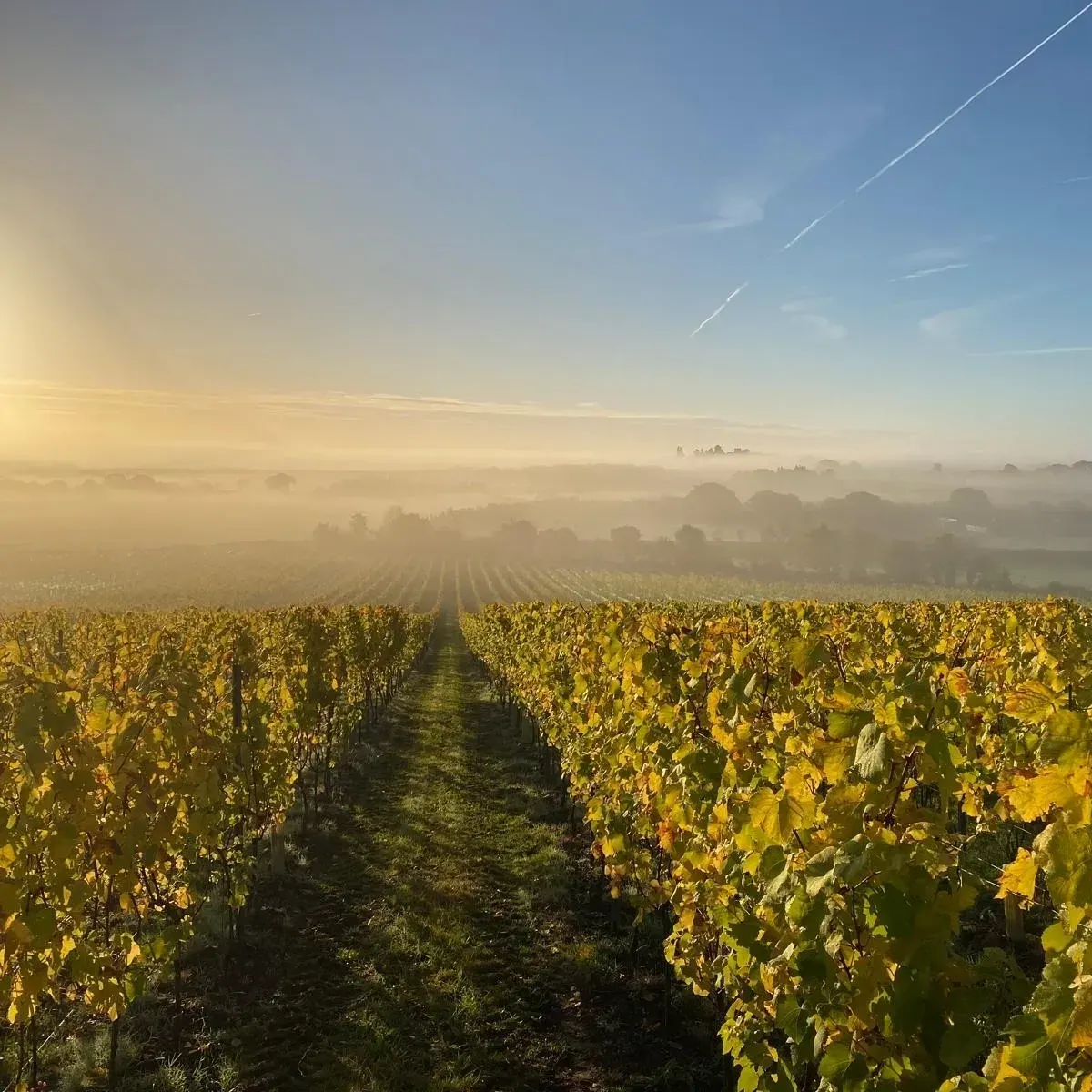
English wine just had its best year on record.
UK wine production hit 16.5 million bottles in 2025 — up 55% on the year before. White wine alone surged more than 131%. There are now 1,158 registered vineyards, over 10,000 people working in the sector, and the industry is valued at roughly £14 billion. This isn't a hobbyist trend anymore. It's a serious agricultural force — and a changing climate is a big part of why.
For years, "English wine" meant one thing: sparkling
Not anymore. Still wine now makes up around a third of production, and Essex's Crouch Valley with its river-cooled microclimate and moisture-retaining clay soils is being talked about as looking climatically like Burgundy did 20 years ago. Big names are noticing: Domaine Duroché (one of Burgundy's most prestigious estates) has just partnered with Danbury Ridge Wine Estate there. Ones to watch from the region: Flint Vineyard (Norfolk) and Marbury, whose debut 2024 Pinot Noir is being called one of England's finest yet.
Long before "sustainable" was a buzzword, a handful of English vineyards were already doing it differently
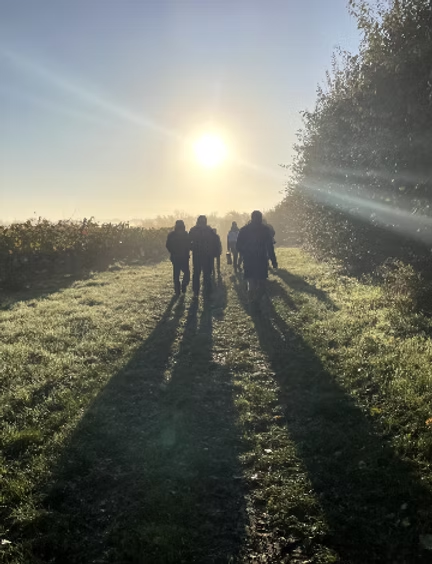
Sedlescombe Organic Vineyard in East Sussex, founded in 1979, is one of the few British estates producing red wine, fully organic from day one. Davenport Vineyards, also in Sussex, has spent decades championing biodynamic winemaking (with a playful streak — see Wash Day Rosé). And up in Perthshire, Cairn O'Mohr has been making fruit wines since 1987 from foraged berries and flowers, with a gooseberry wine that's become a cult favourite.
If you're building a British wine shelf, start here:
— A Crouch Valley Pinot Noir or Chardonnay, for still wine that's rewriting expectations
— A Sedlescombe or Davenport organic red, for something with real provenance
— A Cairn O'Mohr gooseberry, for something nobody else at the table will have tried
— A classic English sparkling from an established Sussex or Kent producer, for the category that started it all