How Do We Build a City Together?
What makes a city more than a collection of strangers? On 12 September in Gloucester and 14–15 September in London, How to Build the City turns theatre, dance, gaming and live interaction into a three-hour exploration of how cities — and communities — are built. We spoke to the artists behind it.
MANUEL SANTOS
1. How to Build the City deliberately moves between theatre, gaming, club culture, choreography and digital language. What happens to your own practice when you enter a work that refuses to stay within one form?
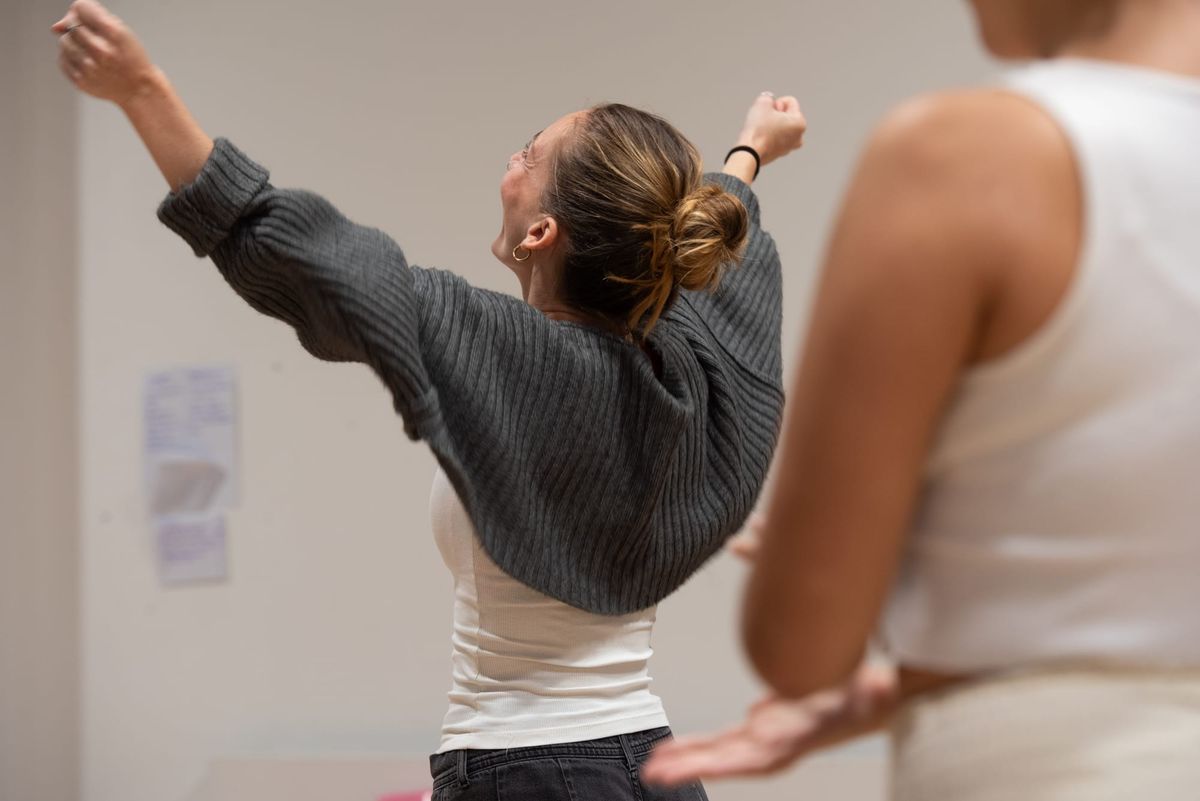
I’d say the show’s relational nature feels in complete alignment with my personal practice. There’s a lot of audience interaction, participation and facilitation. It’s my passion to create and be a part of work which makes the lived experience of the piece — between artist and audience — the focus of the work.
I also feel art should not be limited to one genre, and one artistic method per project. If one is an artist, one tends to hold multiple artistic titles — dancer, actor, writer, designer, comedian, etc. How to Build the City takes each of its artists’ strengths and abilities and blends them into a melting pot of ultimate artistic expression and performance.
My work with [state] encourages me to continue producing interdisciplinary work, while melding all of my artistic interests and discovering new ones.
2. The title suggests that a city is something we actively construct rather than simply inhabit. What kind of city are you trying to build through this project — and what feels missing from the cities we live in now?
I hope this project can show audiences that life, cities, and all of the places in which we find ourselves are made alive through our relationship to them and to each other.
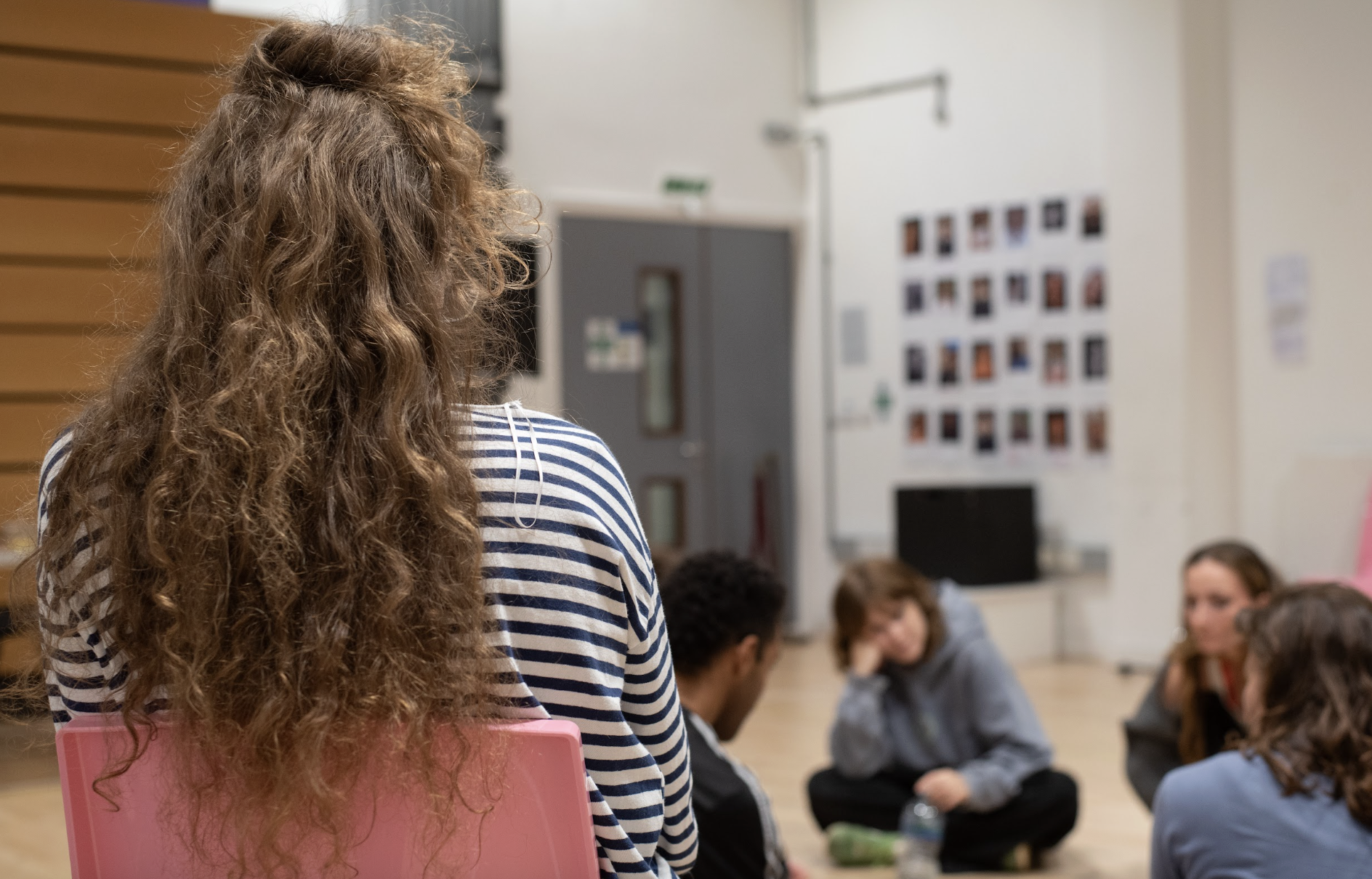
I hope our show reminds people that we are all having a communal, universal experience. Yes, the person next to you on the train may be a complete stranger, but a simple hello and interaction can change that, even if just for that moment.
I hope the show encourages people to be bold, kind and gives them a renewed drive to connect with others, because that’s what life is about.
3. So much of contemporary identity is now performed both physically and digitally. How has the language of platforms, avatars, gaming or online personas influenced the way you think about performance and the self?
I have been known to perform one’s self and day-to-day life. So, the idea of digital platforms didn’t influence me as much as it allowed me an avenue in which to explore the different personas and ways of being I already embodied.
Fortunately, I’ve found peace in living and existing in my day-to-day life without needing to embellish it. This said, I feel a lot of introspective artists and performers are intrinsically aware of who or what they are, and how they present, while also painting a sense of whimsy and performativity over their day-to-day life.
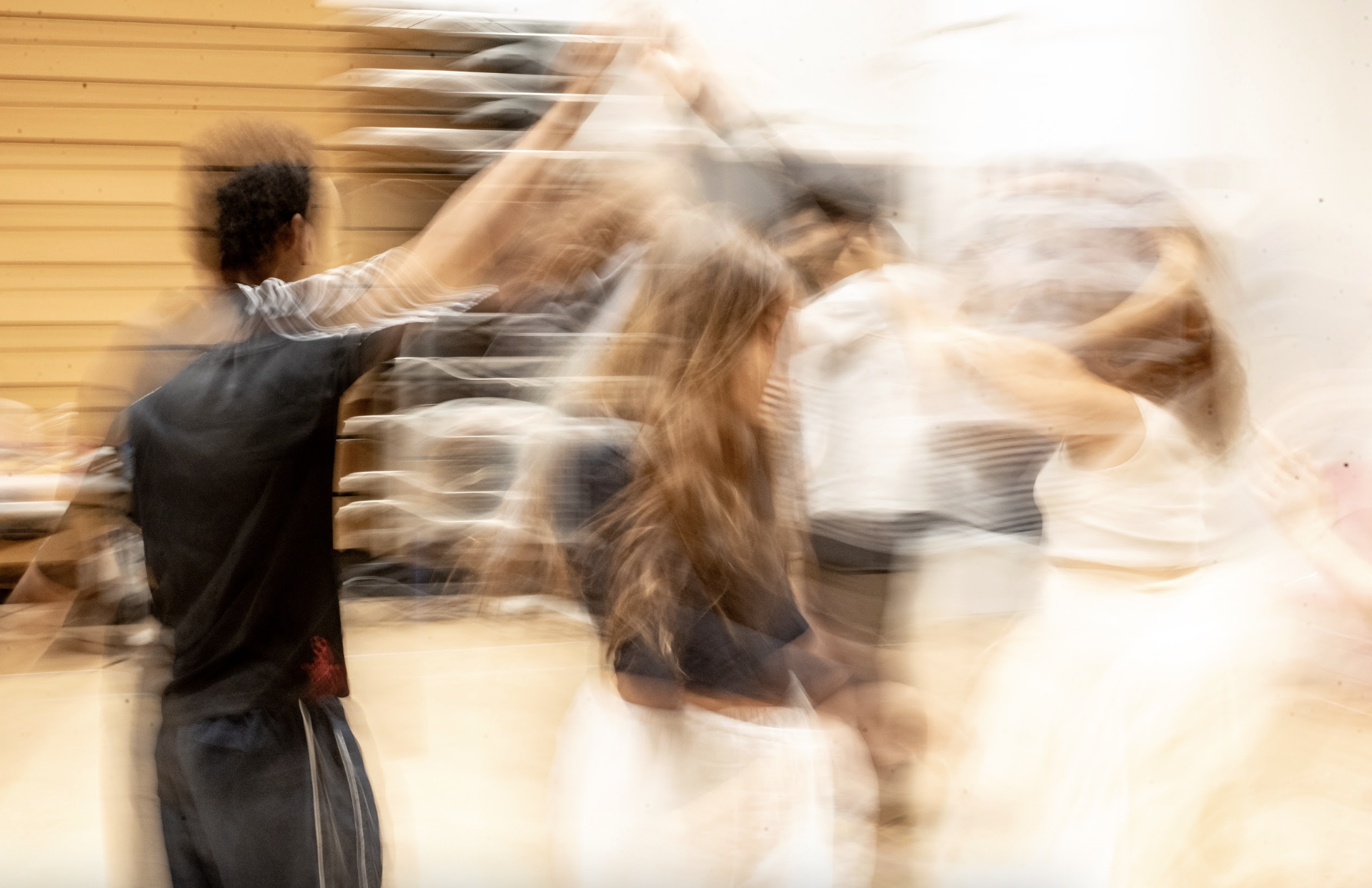
I’d say this is something the show plays with. As performers on stage, we are not embodying characters, but rather the various archetypes of our personalities that relate to the different narrative points of the base text, The Epic of Gilgamesh. So, through all the playing, the performers are still being a version of themselves on stage.
4. Each of you comes to the project through a very different discipline. Was there a moment when another artist’s way of working fundamentally changed how you approached your own contribution?
Munotida Chinyanga, one of our directors, did a wonderful job with casting. Everyone’s practice and personality, though different from each other, melds absolutely well together. Witnessing and experiencing other people’s practices pushes you to hone in and refine your own.
We have a lot of dancers and movement-based artists in this edition of the show. Their work ethic and the meticulous control over their bodies is absolutely breathtaking. Coming from an acting and performance background, it pushes me to be more diligent in the way in which I train my body.
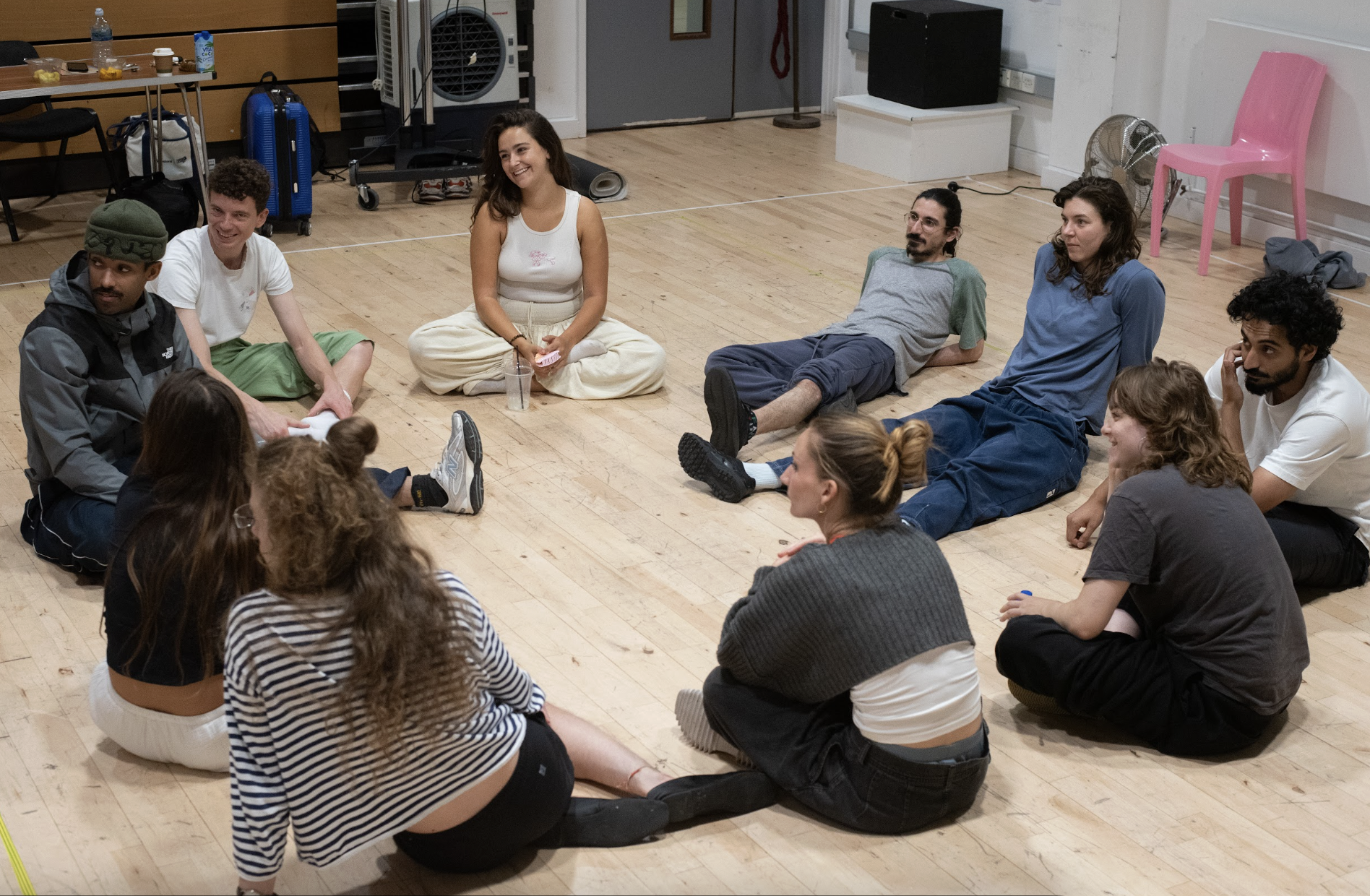
Overall, it feels rewarding to be in a space where all artistic practices are welcomed, valued and celebrated.
5. Club culture, theatre and online spaces can all create temporary communities between strangers. What makes people feel genuinely present together today — particularly at a time when so much culture is experienced through screens?
I think what makes us genuinely present today is the love and interest we hold for each of our different cultural and communal practices. We might not always engage with them face to face, but the feelings we have regarding them are always there, whether online or offline.
This said, I believe the pendulum is swinging back. People are actively looking for physical spaces in which to find community and engage with their interests. Online platforms are fantastic for expanding our worldview and connecting us with many people globally and locally, but they can’t always replace the feeling of engaging with someone physically in reality.
6. The project seems interested in glitching or disrupting familiar cultural languages. Is there a convention, rule or assumption within your own discipline that you particularly wanted to break here?
Being an international London-based company, and having a pool of artists and audience members from multiple cultural backgrounds, it’s a natural part of our process to integrate as much of everyone’s language and cultural traditions as possible.
My Portuguese heritage and language hasn’t been something I’ve particularly explored in my performance work yet. However, I know it’s something I can bring to the rehearsal space, and that it can become an integral part of the devising and presentation of the work.
7. Finally, if audiences leave How to Build the City carrying one question about how we live together — rather than one definitive message — what would you like that question to be?
How can we bring more moments of magic to each other’s lives through moments of service, support, and small but significant social interactions?
SAM KENYON
1. How to Build the City deliberately moves between theatre, gaming, club culture, choreography and digital language. What happens to your own practice when you enter a work that refuses to stay within one form?
In my usual practice I have realised formulas which I can call on, but I’ve found my approach to this project to be far less structured, forcing me into a state of adaptive creation.
Having such a collection of skills, passions and ideas all taking part in the creative process has been refreshing, inviting a playful chaos into the process.
2. The title suggests that a city is something we actively construct rather than simply inhabit. What kind of city are you trying to build through this project — and what feels missing from the cities we live in now?
I think what we are trying to achieve is a sense of community and collective intention when building the city, which acts as a contrasting mirror to the current state of modern cities.
4. Each of you comes to the project through a very different discipline. Was there a moment when another artist’s way of working fundamentally changed how you approached your own contribution?
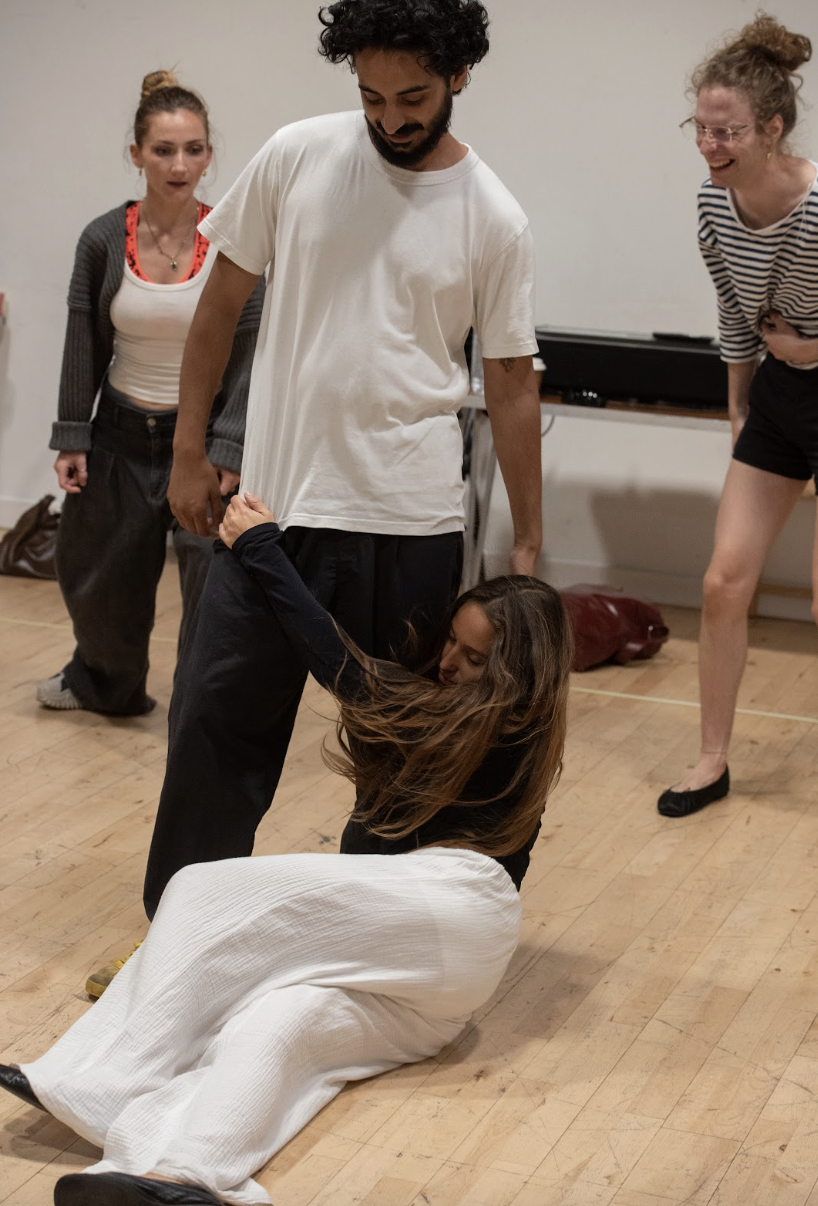
Watching how the directors orchestrated the beginning sessions, leading the performers to engage in games and play both with one another and then with the public, helped everyone become prepared for spontaneity and improvisation — something I never usually practise within my own discipline.
5. Club culture, theatre and online spaces can all create temporary communities between strangers. What makes people feel genuinely present together today — particularly at a time when so much culture is experienced through screens?
Music and dancing are becoming more and more recognised for their ability to connect people. Studies show that even sending people music to listen to increases their enjoyment when listening to it.
I believe that club culture is a modern take on ceremonial celebrations that bind people and instil a sense of belonging, which at its core is about being part of a community. I think the directors’ acknowledgement of this has provided a fascinating dimension to this project.
7. Finally, if audiences leave How to Build the City carrying one question about how we live together — rather than one definitive message — what would you like that question to be?
To explore their own creativity and curiosity, and to place value in play.
Additional sound-specific response:
When creating sound for visuals, I find myself naturally following different sensory cues. I try to pay attention to the sounds the performers are making and the emotions in the room. I follow the intensity and general energy of the scene.
As an artist releasing underground dance music, I often use hardware and outboard gear to produce because of its tactility, and in turn this helps create a distinguished sound.
This answer isn’t only applicable to art and its creation; it’s something that impacts myself and many others with visual impairments on a day-to-day basis. I believe sound is an incredible creative outlet for those with visual impairments.
ELANA GOODMAN
1. How to Build the City deliberately moves between theatre, gaming, club culture, choreography and digital language. What happens to your own practice when you enter a work that refuses to stay within one form?
It enriches my practice by creating opportunities to continue to renew and rethink how my practice can expand.
2. The title suggests that a city is something we actively construct rather than simply inhabit. What kind of city are you trying to build through this project — and what feels missing from the cities we live in now?
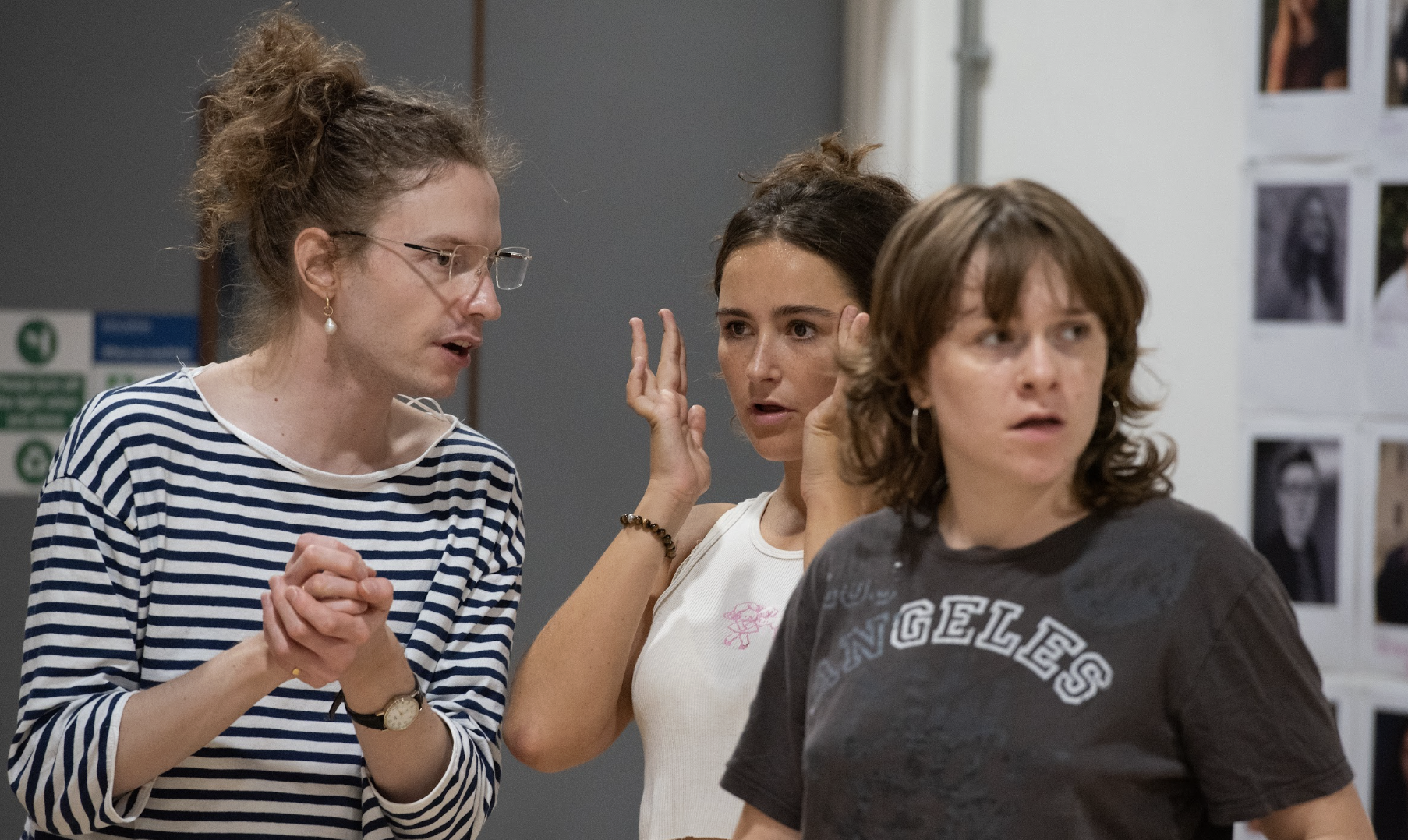
In the best way possible, I don’t think we are “trying” to build a city. I think the title suggests a question: How do we build a city?
I think this work is an investigation of that question, and I think that is just what’s happening.
So much of community-building is organic and happens naturally, by connecting with other humans in the same space at the same time. So much of our culture is built around self-reliance and self-sufficiency; when we are outside of our known communities and spaces, we rarely choose to connect with others.
In this way, How to Build the City is an inquiry into how we believe a city can be built.
I think that curiosity and openness are what is missing from our cities now. When so much can be planned, predicted or prepared for, we are rarely able to just be present and play — thereby developing communities based on that, rather than a forced agenda.
3. So much of contemporary identity is now performed both physically and digitally. How has the language of platforms, avatars, gaming or online personas influenced the way you think about performance and the self?
I think it has created a larger separation and disassociation with the self, and has thereby created larger anxieties around being seen.
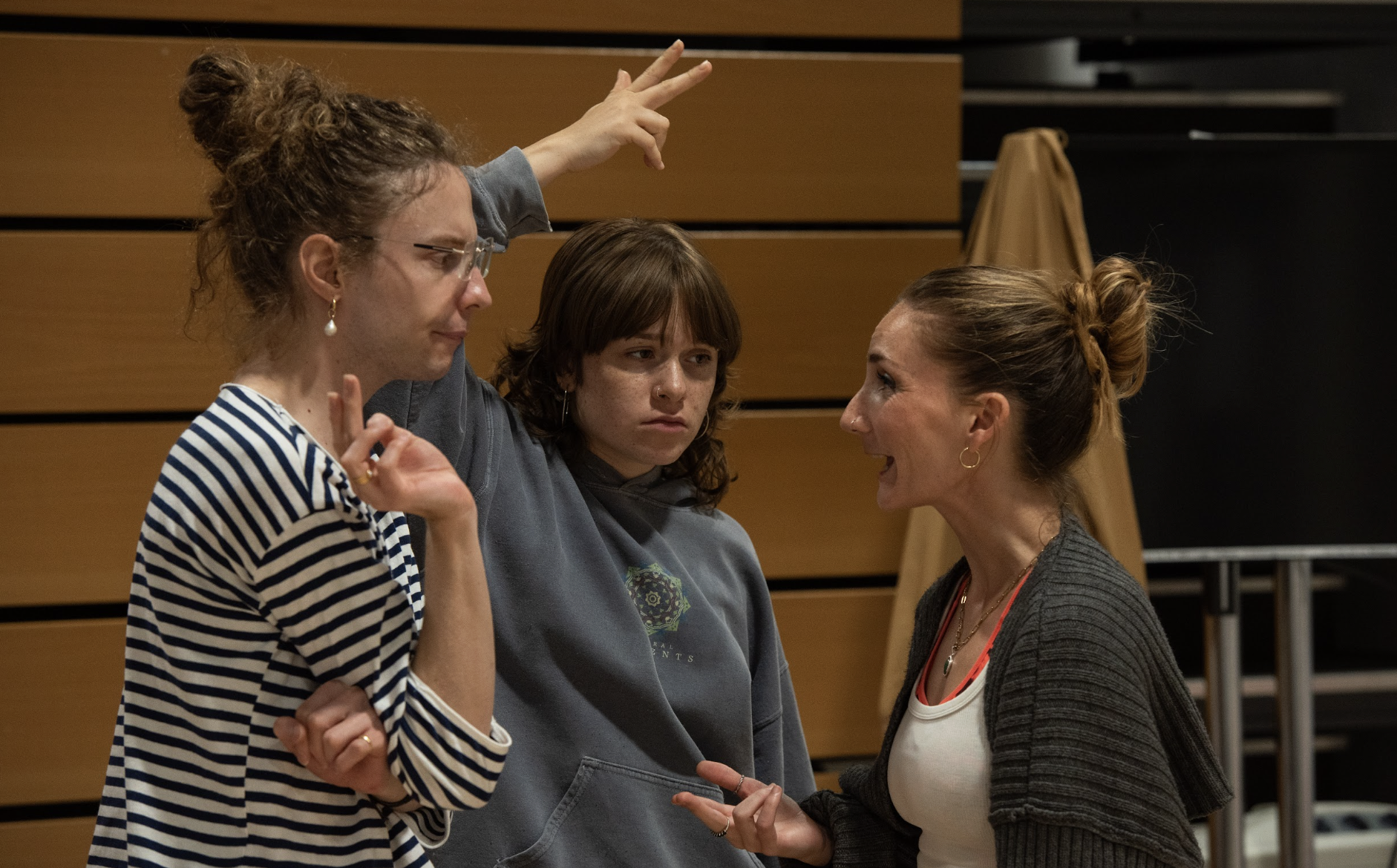
I think it makes it harder to be yourself and show up as yourself without having to “perform”. In the same breath, I think it has given people masks through which to become who they want to be — in both negative and positive ways — and given them licence to inhabit those personas when they are hiding behind an avatar.
4. Each of you comes to the project through a very different discipline. Was there a moment when another artist’s way of working fundamentally changed how you approached your own contribution?
So many moments! Everyone thinks so differently.
There were so many people who introduced games as a way to warm up, which is not my usual practice. It really helped me warm up my brain, which often isn’t the first thing I think of when I’m warming up my body or getting ready for my own practice.
It breaks the pattern and also allows you to be present in what you are doing, which is so vital to the work we are doing, but also just in general.
5. Club culture, theatre and online spaces can all create temporary communities between strangers. What makes people feel genuinely present together today — particularly at a time when so much culture is experienced through screens?
This is such a good question, and I think it is at the core of why these temporary spaces can be so successful — particularly club culture.
I think what people are really looking for is a container of safety. People are really craving safe spaces. The world outside feels so unsafe at the minute, and finding a moment of safety, even if it is temporary, allows people to experience a moment in which they can be themselves or let the mask fall.