Yayoi Kusama: Endless Queues to Endless Rooms
This year, a major Yayoi Kusama retrospective is travelling through Europe. Here’s whether it is worth a visit and why you might not get in.
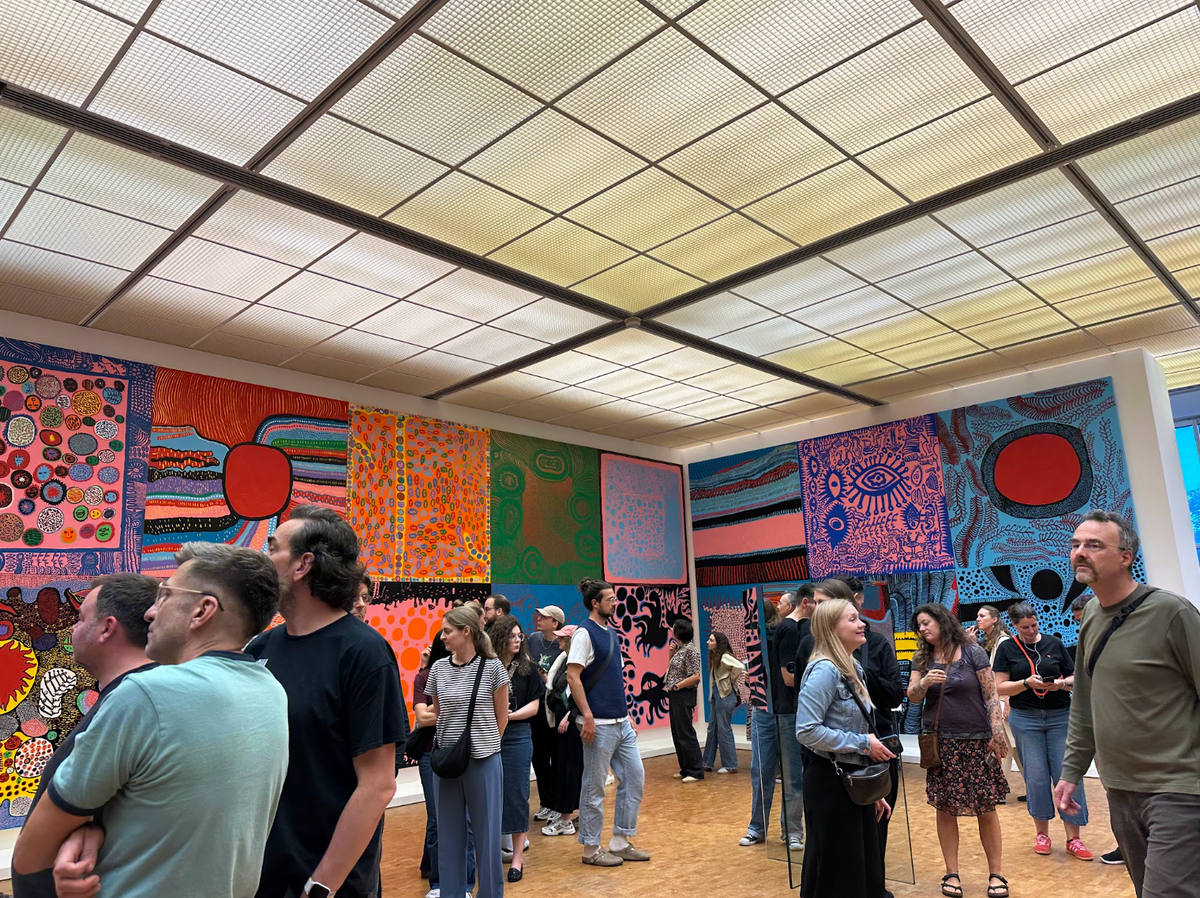
It started at Fondation Beyeler in Basel, then moved to Museum LUDWIG in Cologne and will open again in September at its last destination in Stedelijk Museum Amsterdam – just a train ride away from London. The exhibition encompasses more than 300 paintings, sculptures, installations, fashion pieces, poems and a few videos. One gets to see Kusama’s very early childhood works and chronologically follow her whole artistic life. Mind you, the artist is 97 – there is a lot to uncover.
Yayoi Kusama is world-famous for her obsession with dots and nets, as well as for bright, expansive paintings and sculptures covered with them. The current exhibition has those, and loads, including the huge pumpkins, artist’s favourite plant. Another strand of her practice that has become popular in recent years are the Infinity Mirror Rooms – immersive installations that through repeating elements and mirror walls create a feeling of an endless space.
Having visited the show’s edition in Cologne I would say that immersion is still a hype based on the viewers lined up for the experience. Personally, with the (art)world oversaturated with spectacle, the work itself does not bring me to catharsis. Even less so with the impromptu Instagram photoshoots or the security politely managing the crowd. Perhaps, these interactions are the real art statement. The mirrors Kusama started using in the 60s might just have been waiting for their true calling as bait in the self-obsessed digital age.
To me, there are far more precious and intimate sides to Yayoi Kusama’s work one gets exposed to on the way to this dramaturgical culmination.
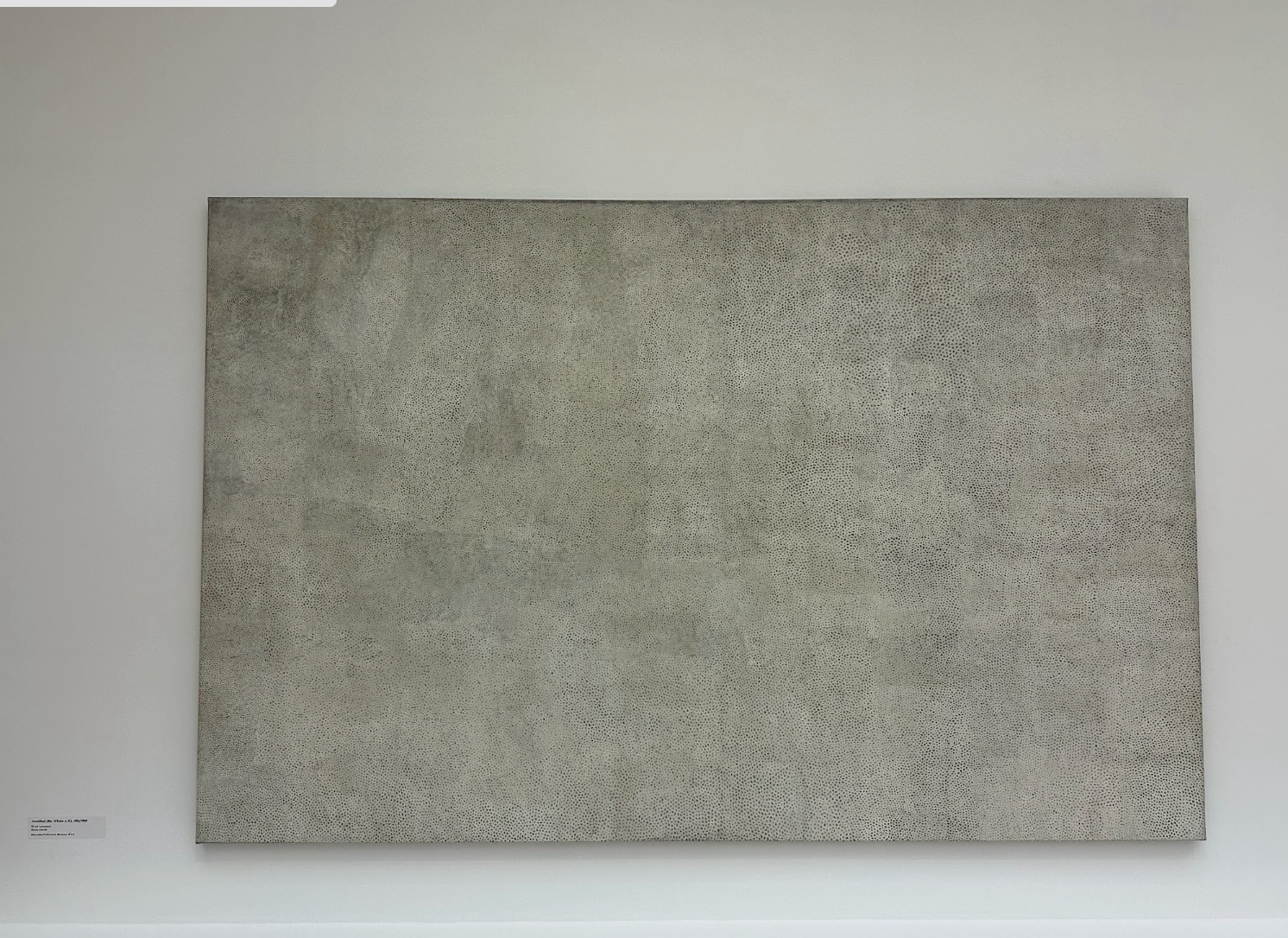
Born and raised in a rural Japanese environment, Kusama began drawing as a child to capture and manage the hallucinations she was experiencing. She went to an arts school in Kyoto and decided to build her career in the US, the center of the art world of the time. Determined to make it as an artist, she cold mailed her role model Georgia O’Keeffe to get some advice and a blessing. One year later she was taking the transcontinental flight. The Pacific Ocean references what she saw outside the plane window. Almost two meters wide, the canvas is painted by the artist in tiny monochrome brushstrokes. A vast endless water surface, as unclear as her future in a new country with no one to rely on.
For an Asian immigrant and a woman, navigating a mind increasingly crowded by hallucinations and obsessive thoughts, New York of the late 50s was not the most welcoming place. Kusama turned her culture shock into artworks. In the Food Obsession Series bags, shirts, dresses are glued with uncooked pasta and colored in silver or bronze. After food scarcity she experienced in wartime and post-war Japan, the overflow of mass-produced groceries she found in America caused her fear and revulsion.
In 1962, she was the only woman in a group show at the Green Gallery with Claes Oldenburg, Andy Warhol, James Rosenquist, Robert Morris, and George Segal. At the same time, her works were exhibited in Europe with the international ZERO movement. Heinz Mack, Otto Piene, Günther Uecker, Yves Klein, Piero Manzoni, Jean Tinguely, Armando, Jan Henderikse, Henk Peeters, Jan Schoonhoven - Kusama was often the sole female name in the catalogues. Navigating this world of dicks, she created Accumulations – furniture, clothes, surfaces covered in hand-sewn phallic forms.
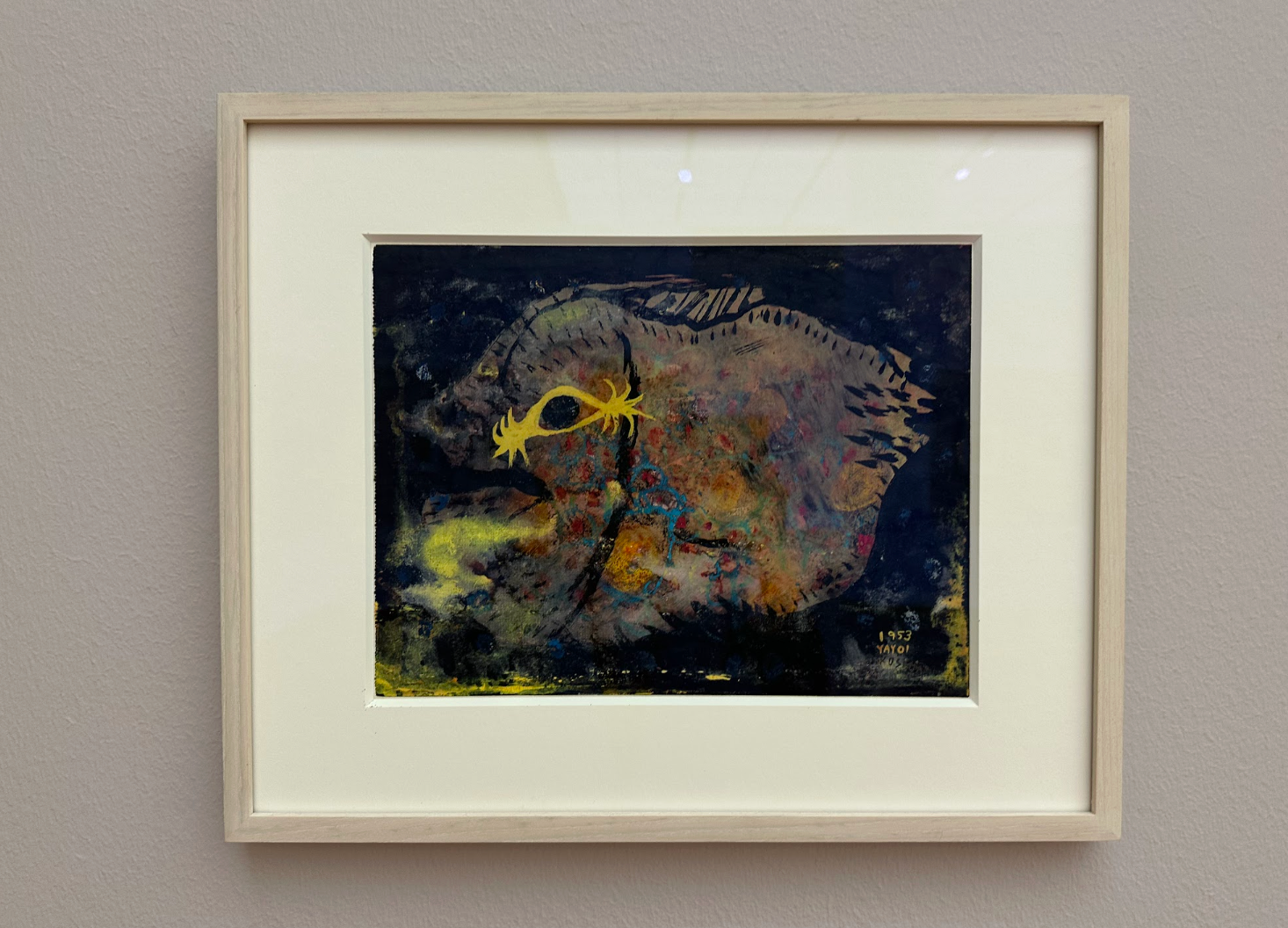
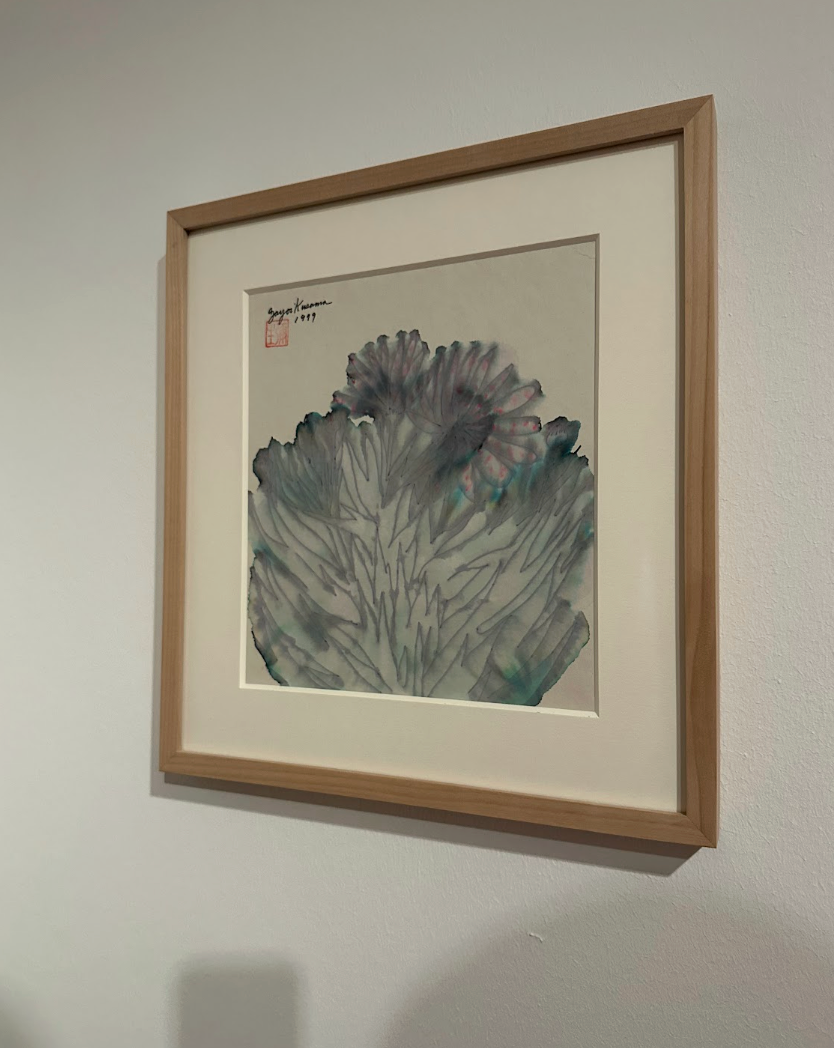
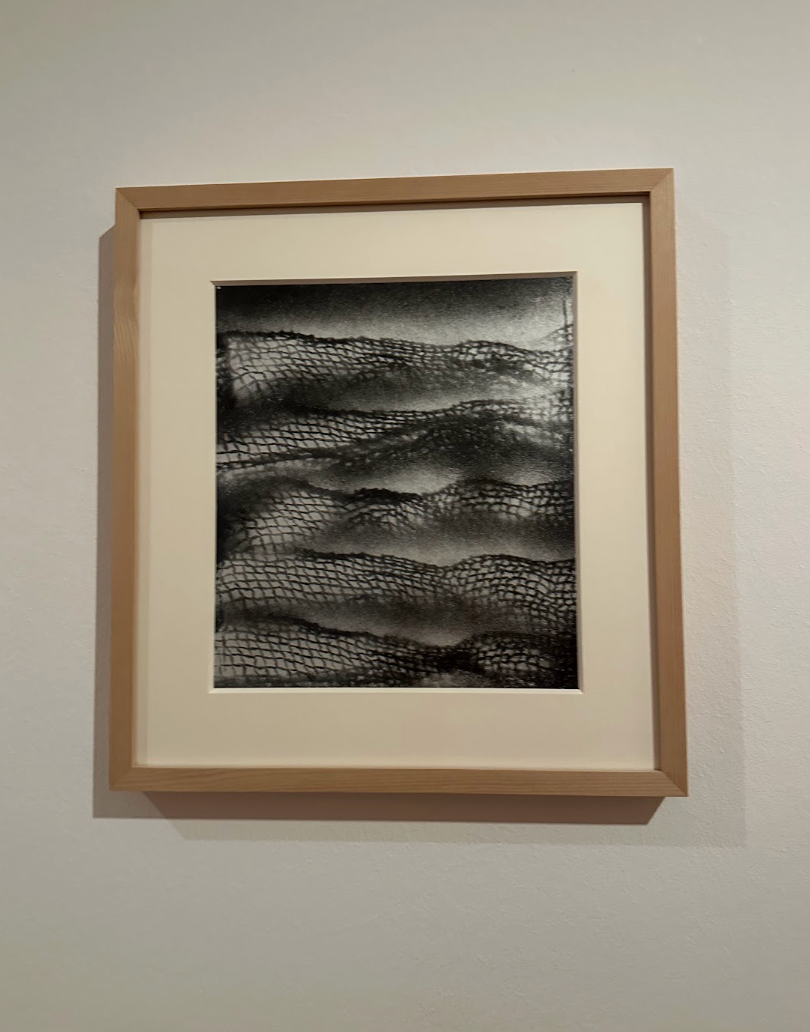
The exhibition convinces us she is a pioneer, a rebel, a legend – she is BIG. And yet, what touched my heart most was rather petite. The show reveals many of her watercolors. Flowers blending into the paper. Rows of nets floating in the mist. Soft organic forms layered over sharp intensive lines. Colorful abstract figures with spiky tails. Or eyelashes? Legs? Antennas? The piece is only 10 by 20 cm. And you fall into its infinity.
In Cologne, the show broke the museum’s historic record with 480,335 visitors, many travelling for the occasion. Tickets were sold out three months in advance, and the demand was so high that, on its last weekend, the museum opened its doors until 2 am to give a chance to locals. The queue went around the museum building. If you want to see Kusama in Amsterdam - the tickets are already on sale.
Stedelijk Museum Amsterdam, opening September 11, 2026.
By Polina Zobkova