What does your shopping bag say about you?
Decoding Britain’s supermarket hierarchy
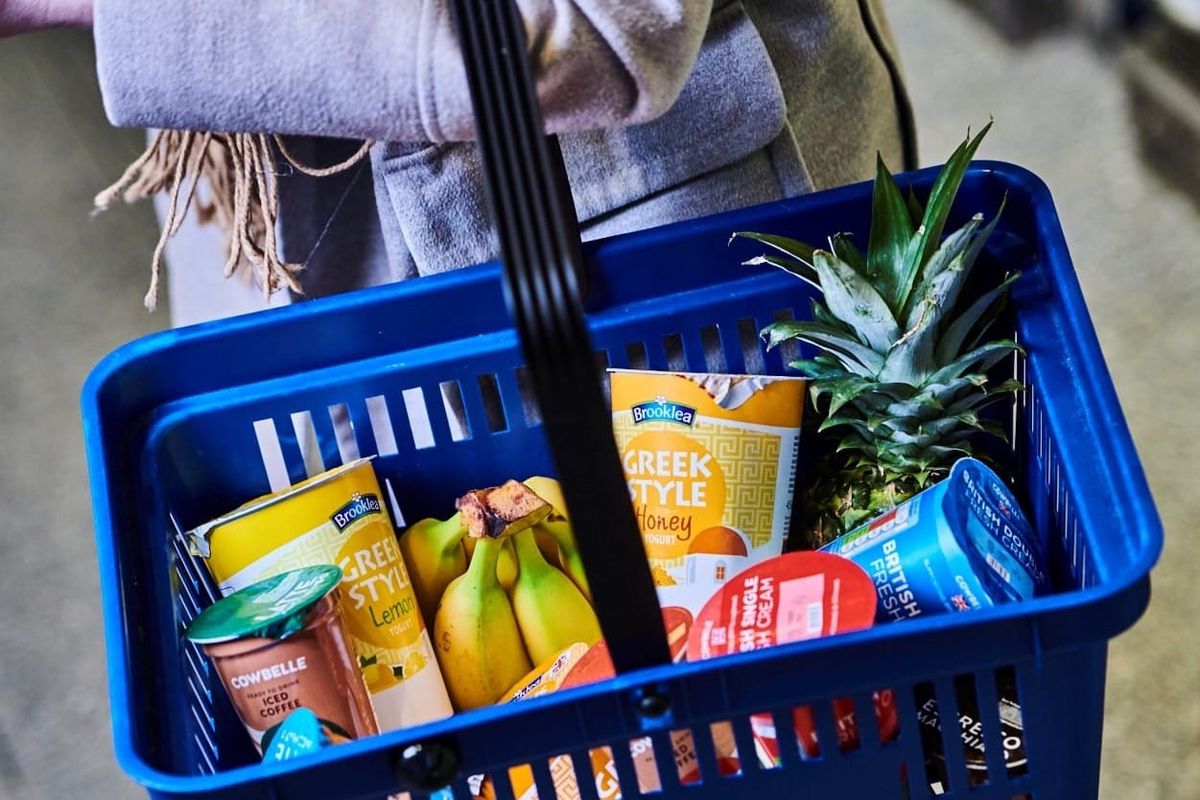
Supermarkets as a social map
Brits rarely talk about money, but your supermarket says it for you: income, postcode, education, even how you vote. Your carrier bag works as a class badge.
The South East belongs to Waitrose and M&S. The North belongs to Asda and Morrisons.
London plays the same game street by street: Richmond shops at one end of the ladder, Peckham at the other.
The outlier is Canary Wharf, where bankers and the people who serve them share a Waitrose and an Aldi a two-minute walk apart.
The ladder: budget
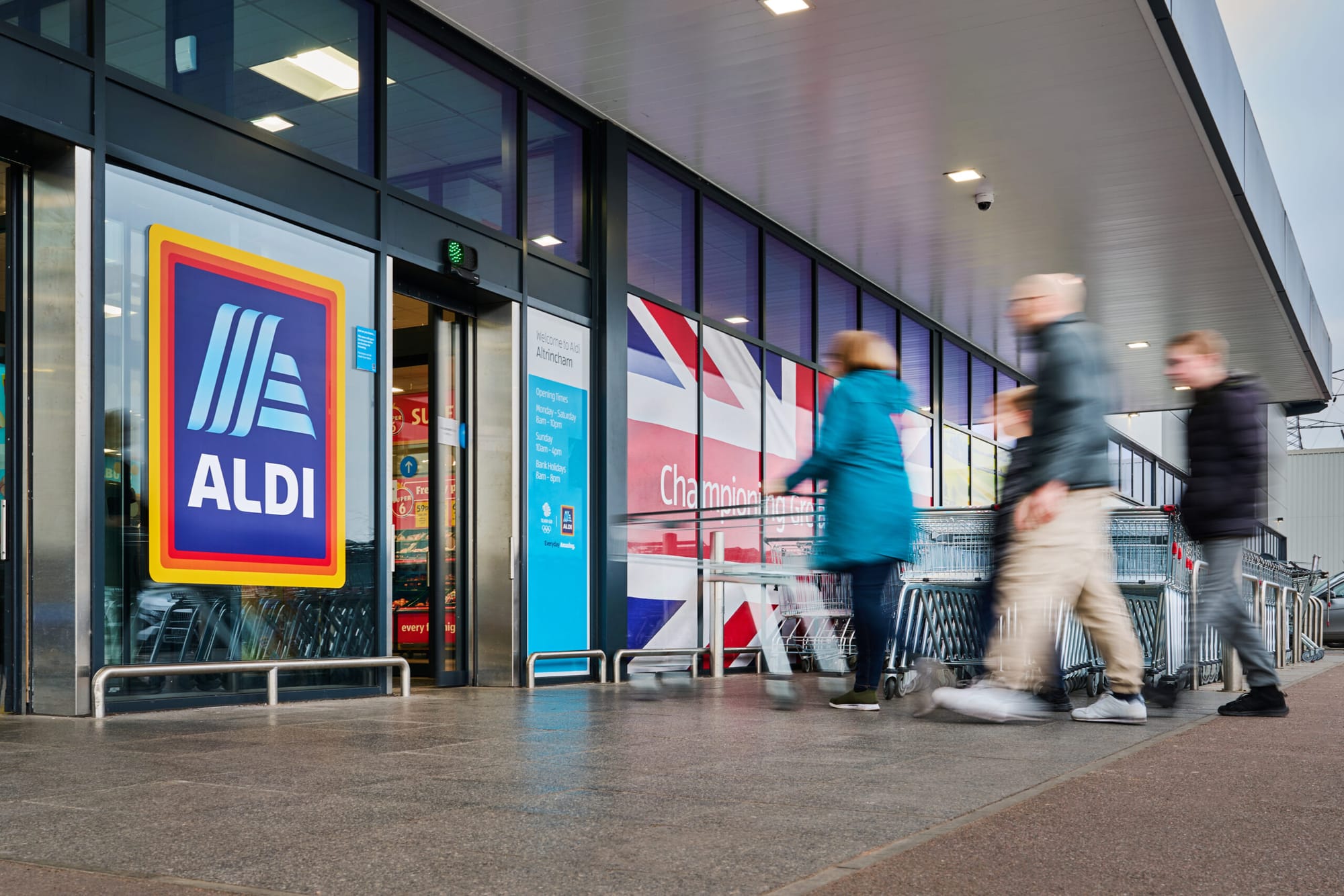
Aldi & Lidl. German discounters that arrived in the 1990s. They are no-frills, with own-label goods and the lowest prices. Shoppers are students, young families, migrants and savvy budgeters. Aldi’s slogan is “Spend a little, live a lot.”
Asda. Bought by Walmart in 1999, and the stores feel American in scale. Its base is northern working-class families. Slogan: “Save money, live better.”
Morrisons. Working class, strongest in the North. It has its own butcher and fish counters and in-store bakeries, which echo old market traditions.
The ladder: middle
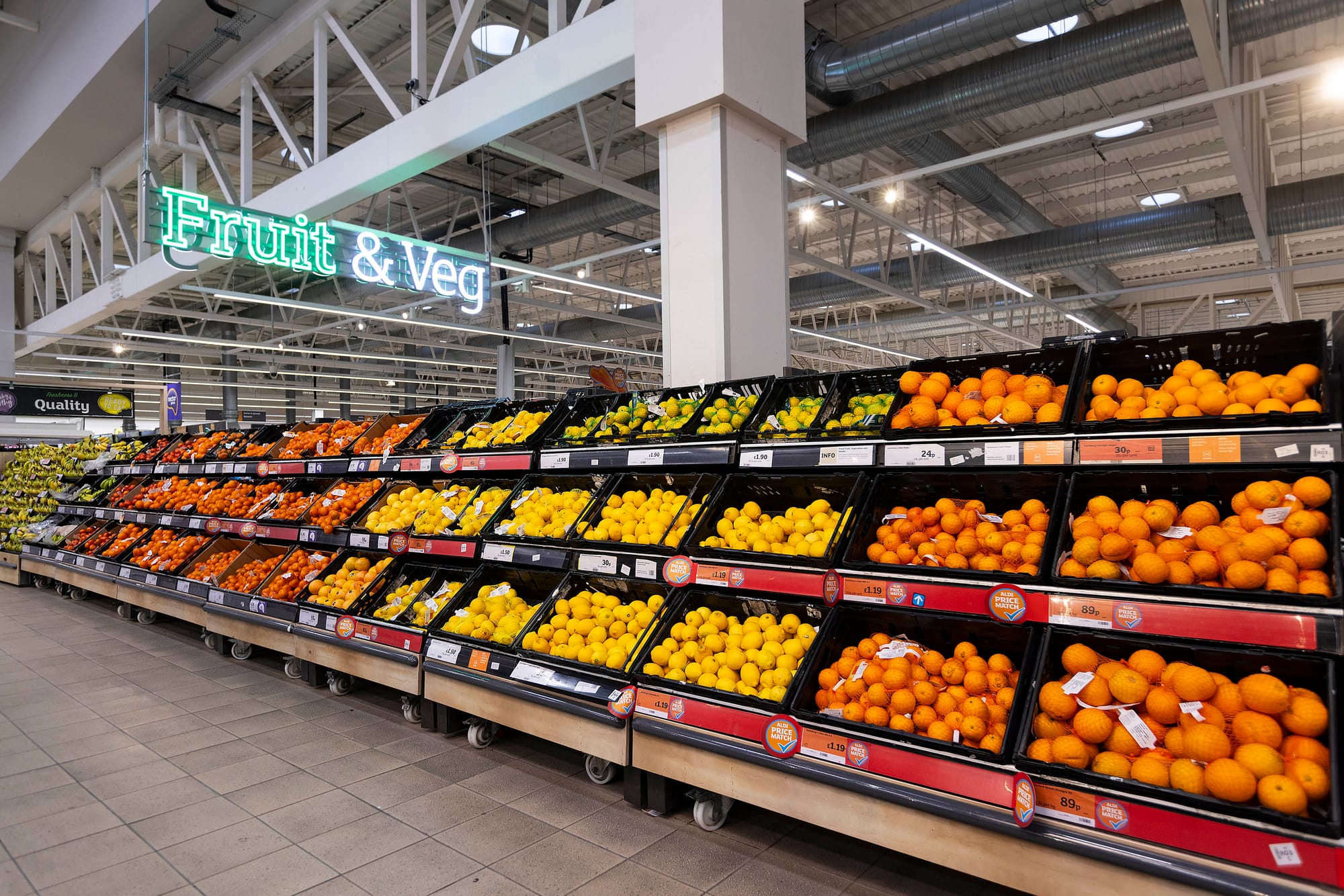
Tesco. The UK’s biggest chain, with about 27% of the market. It is everywhere, from hypermarkets to Tesco Express, and it is where most of the middle class shops. Slogan: “Every Little Helps”.
Sainsbury’s. A notch above Tesco on décor, range and price. It serves the middle class that wants to feel slightly above average.
The ladder: top
Waitrose. Less a shop than an identity: nice coats and loyal older shoppers. Slogan: “Quality food, honestly priced.” The word is “honestly,” not “cheaply,” so the brand doesn’t apologise for its prices.
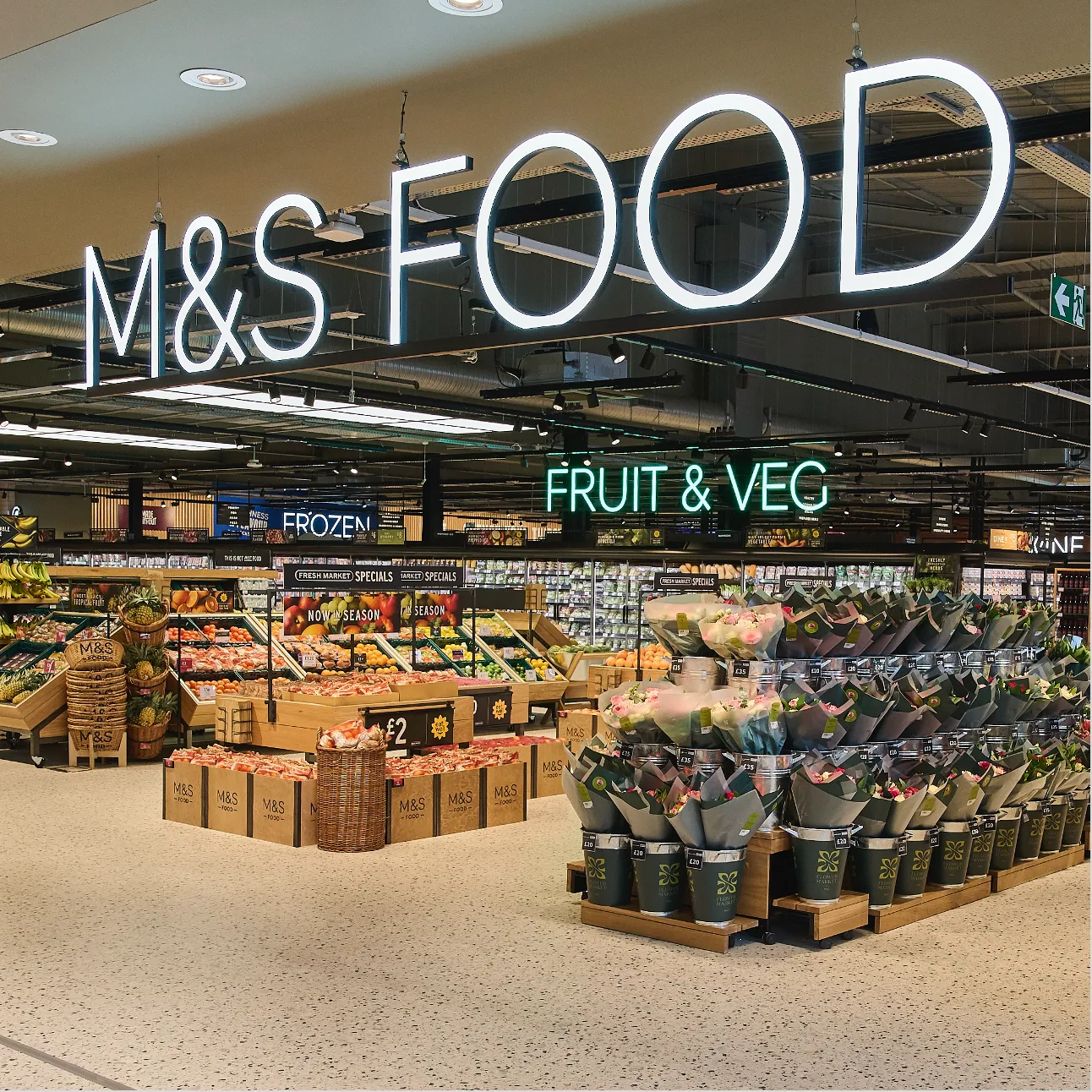
M&S Food. A category of its own: ready meals, treats and the Friday-night dinner. Its “This is not just food, this is M&S food” ads, with slow, sensual close-ups of pudding, became a meme.
When a Waitrose opens, the neighbourhood has arrived
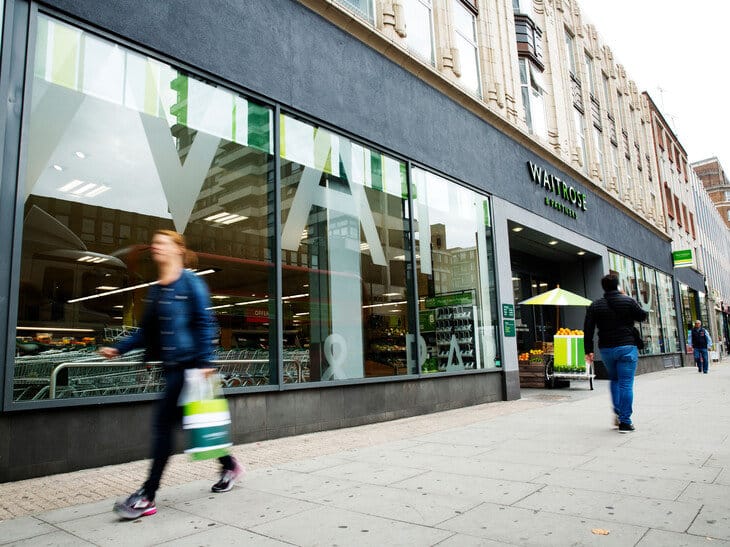
For decades, a new branch has been read as the first sign of gentrification. The brand carries so much meaning that the internet made it a genre. In 2014, a Facebook page called Overheard in Waitrose collected “real” lines from the aisles. The most famous: “Darling, do we need parmesan for both houses?”
Nobody believes the quotes are real, but everyone knows exactly who said them.
The day the posh went to Aldi
The discounters didn’t move upmarket, but their shoppers did. After the 2008 crash, the middle classes quietly slipped into Aldi and Lidl, and then stopped hiding it. The industry even gave them a name: “Maidstone Mums”. Today the discounters are opening in leafier postcodes to meet them, and Lidl’s wishlist of locations has included Chelsea and Kensington.
Thrift is the new flex
In Britain, flaunting money is vulgar, but a bargain makes a great story. That’s why a country-house owner will happily brag about Aldi cheese, and why a £3 Too Good To Go bag of Waitrose surplus counts as a win. So don’t be surprised to spot a Barbour in the Aldi queue. It belongs there.
So, what does your bag say? Less than it used to
The old map still holds: postcodes still follow the shops, and Waitrose is still shorthand for comfortable but the lines are blurring. Barristers stock up at Lidl, students treat themselves at M&S, and almost everyone splits the shop between budget basics and a little something nice.
In Britain, class was never just about what you can afford. It’s about what you choose to be seen carrying, and in a country that never talks about money, the supermarket bag still says it for you.