Nan Goldin in London: 5 Works to Know Before Her Hayward Gallery Exhibition
On 24 November, Nan Goldin returns to London with You Never Did Anything Wrong at the Hayward Gallery. Known for her intimate portraits of friends, lovers and queer communities, Goldin has spent more than five decades photographing the people and experiences closest to her.
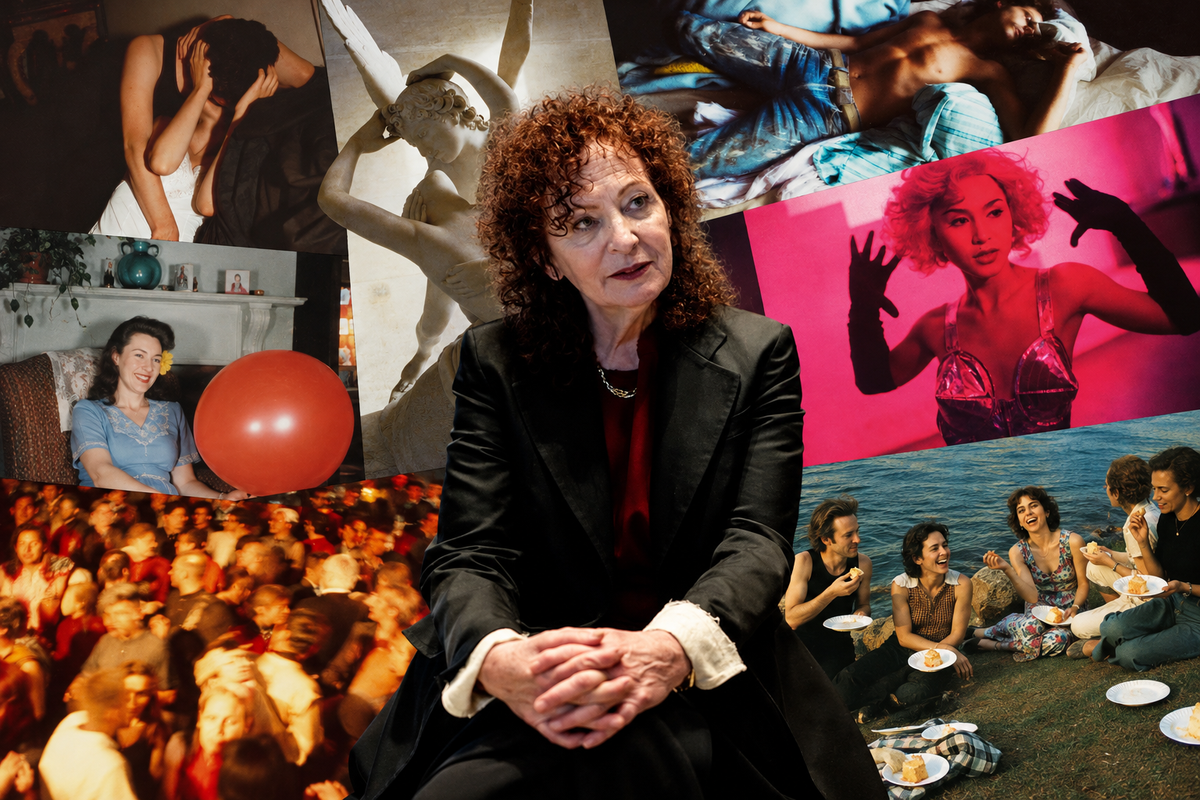
Born in Washington, D.C., in 1953, Goldin became one of her generation's most influential photographers by documenting life as she experienced it. Her photographs capture parties, relationships, sex, addiction, domestic violence and the devastating impact of the AIDS crisis. Rather than observing from a distance, Goldin was part of the world she photographed.
The upcoming Hayward Gallery exhibition will bring together recent films, archival photographs and new work exploring the relationship between humans, animals and the natural world. As the American photographer prepares for her first major UK institutional exhibition in over two decades, we look back at five works that shaped her career.
1. The Ballad of Sexual Dependency
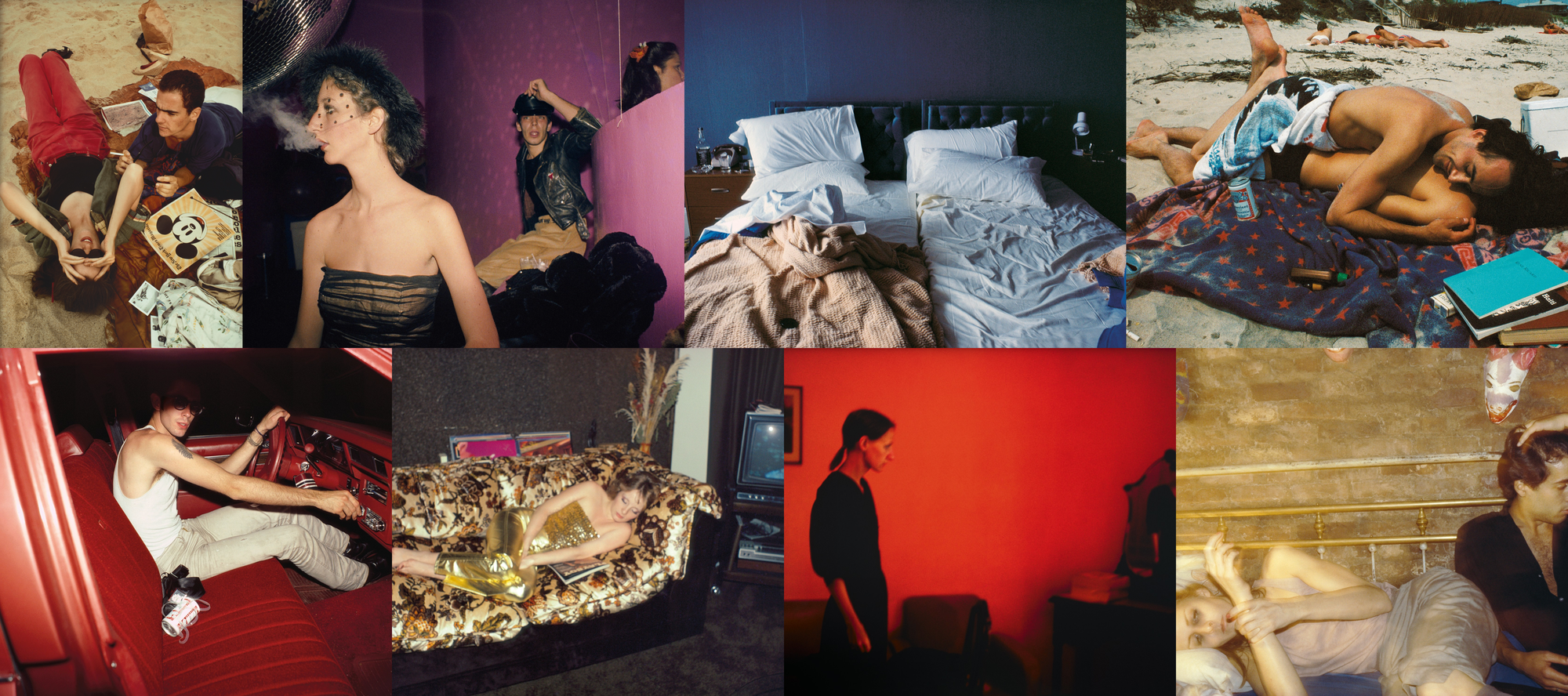
Perhaps Goldin's most famous work, The Ballad of Sexual Dependency began as a music-accompanied slideshow, something to entertain her friends. It later became a collection of nearly 700 photographs documenting Goldin's life and the lives of those around her.
The photographs show everything from nights out and intimate relationships to arguments, loneliness and moments of tenderness. Among its most recognisable images is Nan One Month After Being Battered (1984), a self-portrait taken after Goldin was physically assaulted by her boyfriend.
First published as a photobook in 1986, The Ballad challenged conventional ideas about documentary photography. The work also became an important record of people who later died during the AIDS epidemic.
2. The Other Side
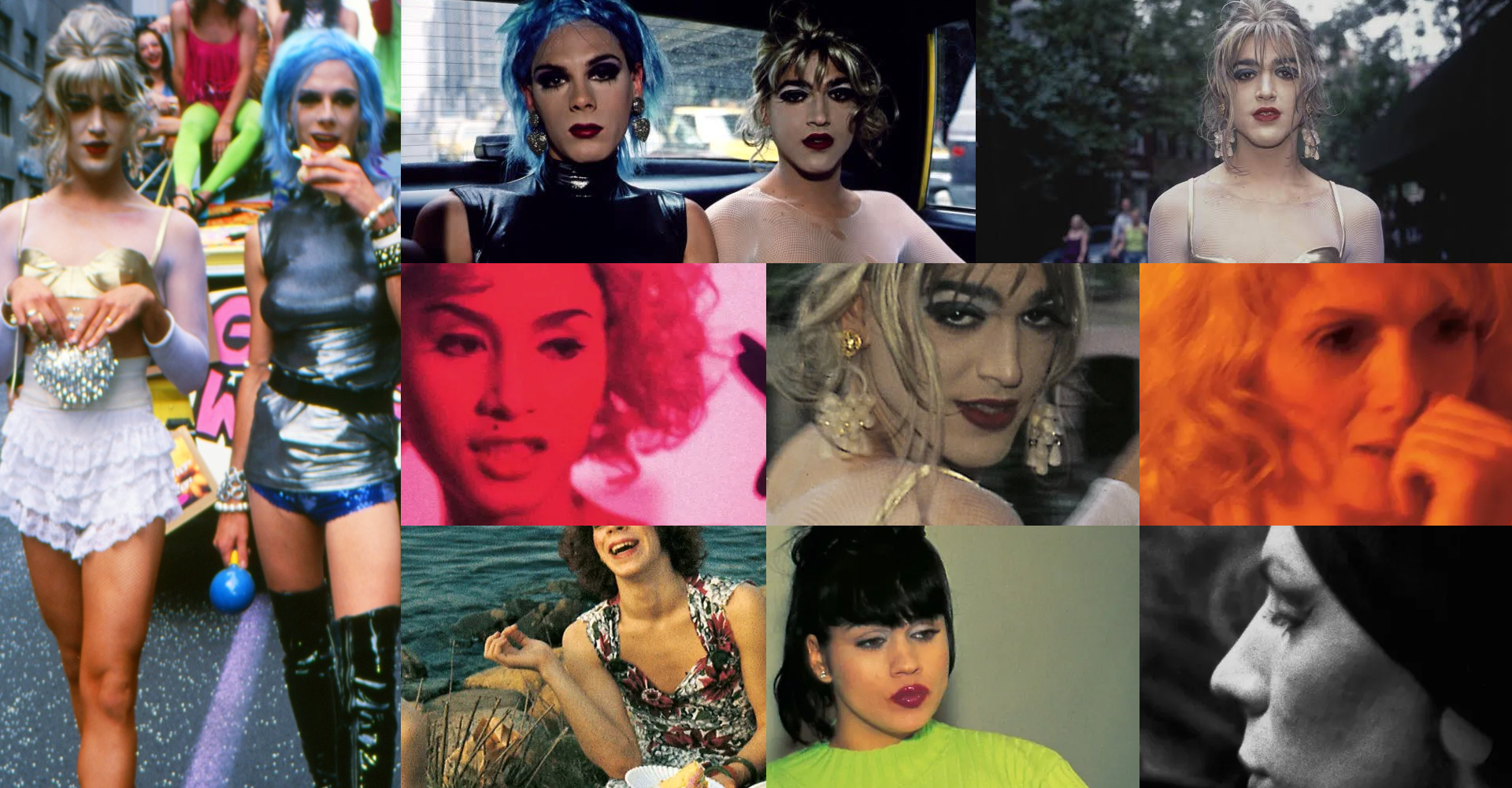
Named after a drag bar in Boston, The Other Side celebrates the transgender women and drag performers Goldin met and befriended from the early 1970s onwards.
Spanning several decades, the series follows its subjects through dressing rooms, parties, bedrooms, and everyday life. Goldin doesn't focus on performance alone; she captures the friendships and personal relationships behind the scenes.
At a time when transgender people were rarely represented with such intimacy in mainstream photography, Goldin's portraits offered a different perspective. Her subjects appear not as outsiders or curiosities, but as individuals whose lives are filled with beauty, humour, vulnerability and affection.
3. Sisters, Saints & Sibyls
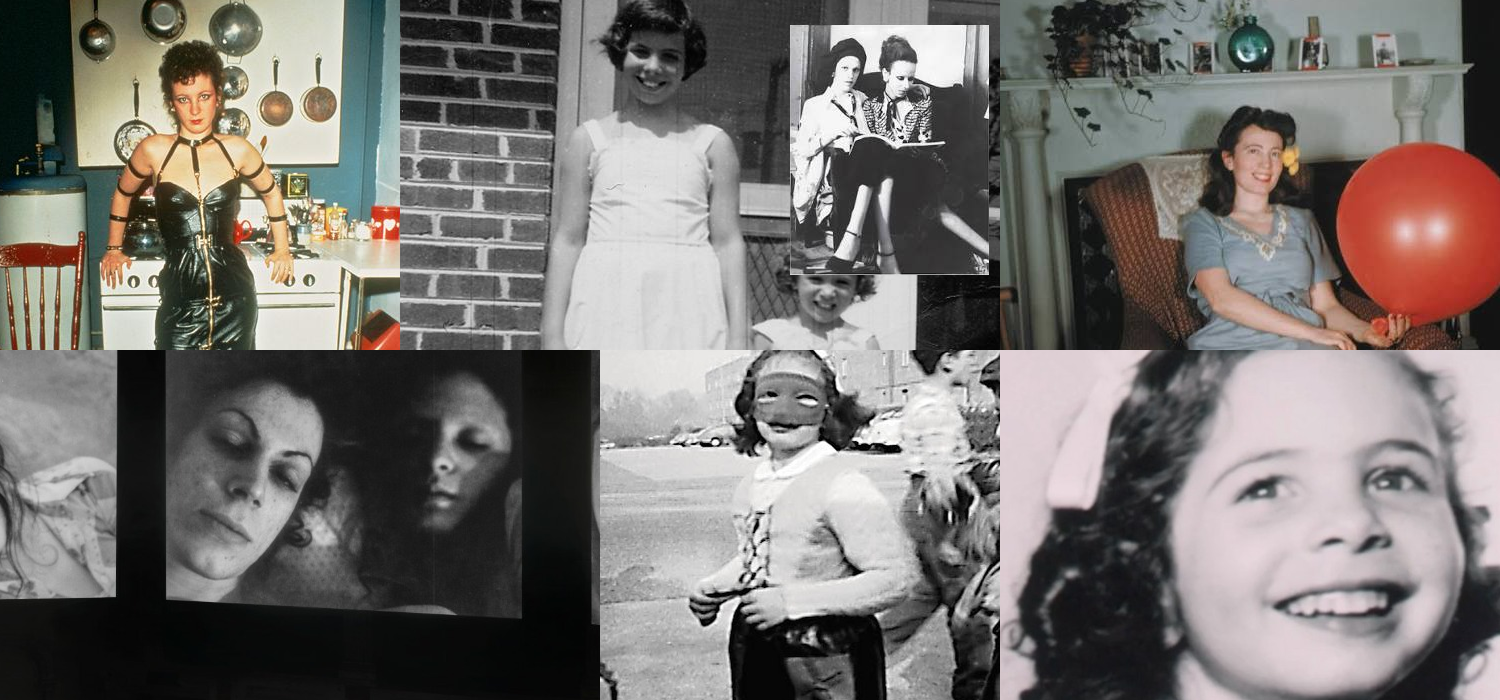
One of Goldin's most personal works, Sisters, Saints & Sibyls explores the life and death of her older sister, Barbara, who died by suicide at the age of 18.
The three-channel video installation combines family photographs, archival materials and personal narratives to examine Barbara's experiences of psychiatric institutions and the impact of her death on Goldin's own life.
The work also explores how women are treated when their behaviour falls outside social expectations. Through her sister's story, Goldin addresses broader questions about mental health, family authority and the ways personal trauma can shape an entire life.
Originally presented in Paris in 2004, the installation remains one of her most emotionally direct projects.
4. Memory Lost
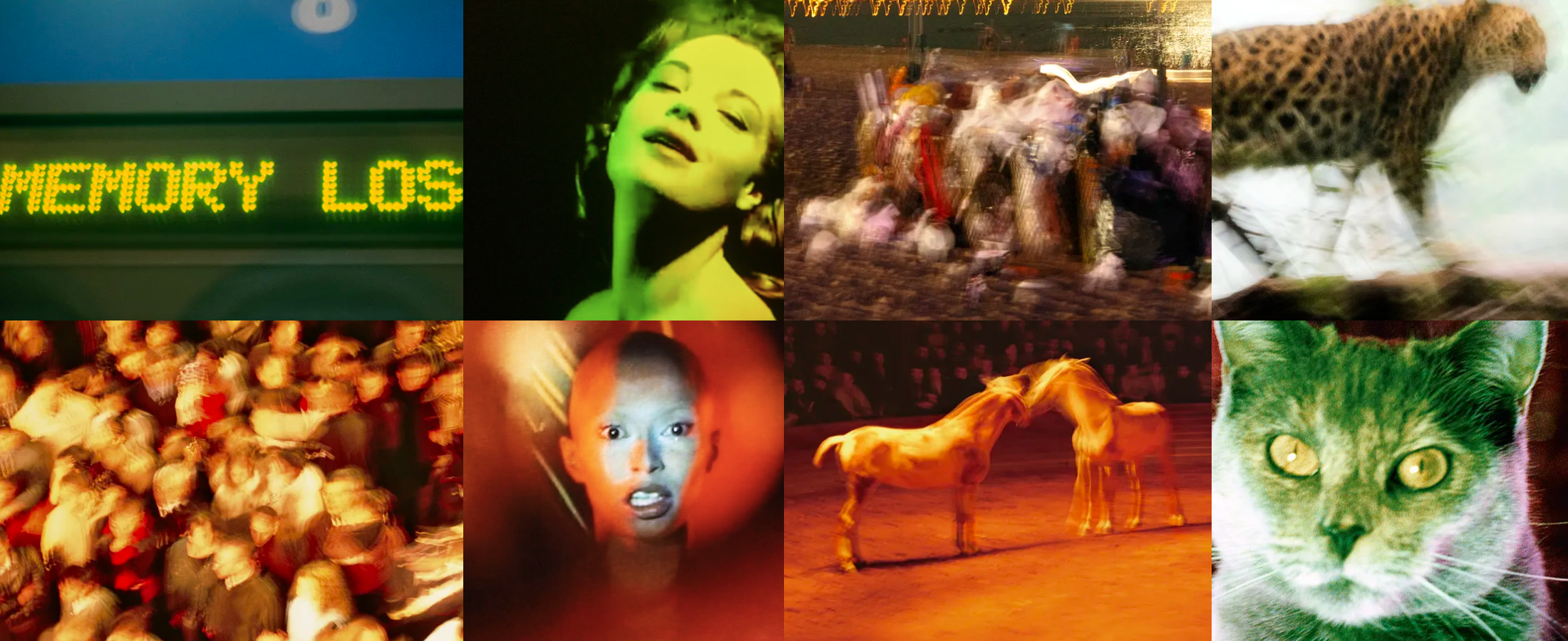
In Memory Lost, Goldin turns her attention to addiction, drawing on her own experiences with drugs and recovery.
The 24-minute digital slideshow combines personal photographs, archival recordings, interviews and music to explore the isolation, dependency and psychological effects of addiction. 1980s answering-machine recordings bring back voices from Goldin's past.
The work is closely connected to her activism. After surviving an addiction to prescription opioids, Goldin founded P.A.I.N. (Prescription Addiction Intervention Now) in 2017, campaigning against the influence of the Sackler family and demanding accountability for the opioid crisis.
Memory Lost demonstrates how Goldin's personal experiences have increasingly informed her political work. It is also one of the films visitors can see at the Hayward Gallery.
5. Stendhal Syndrome
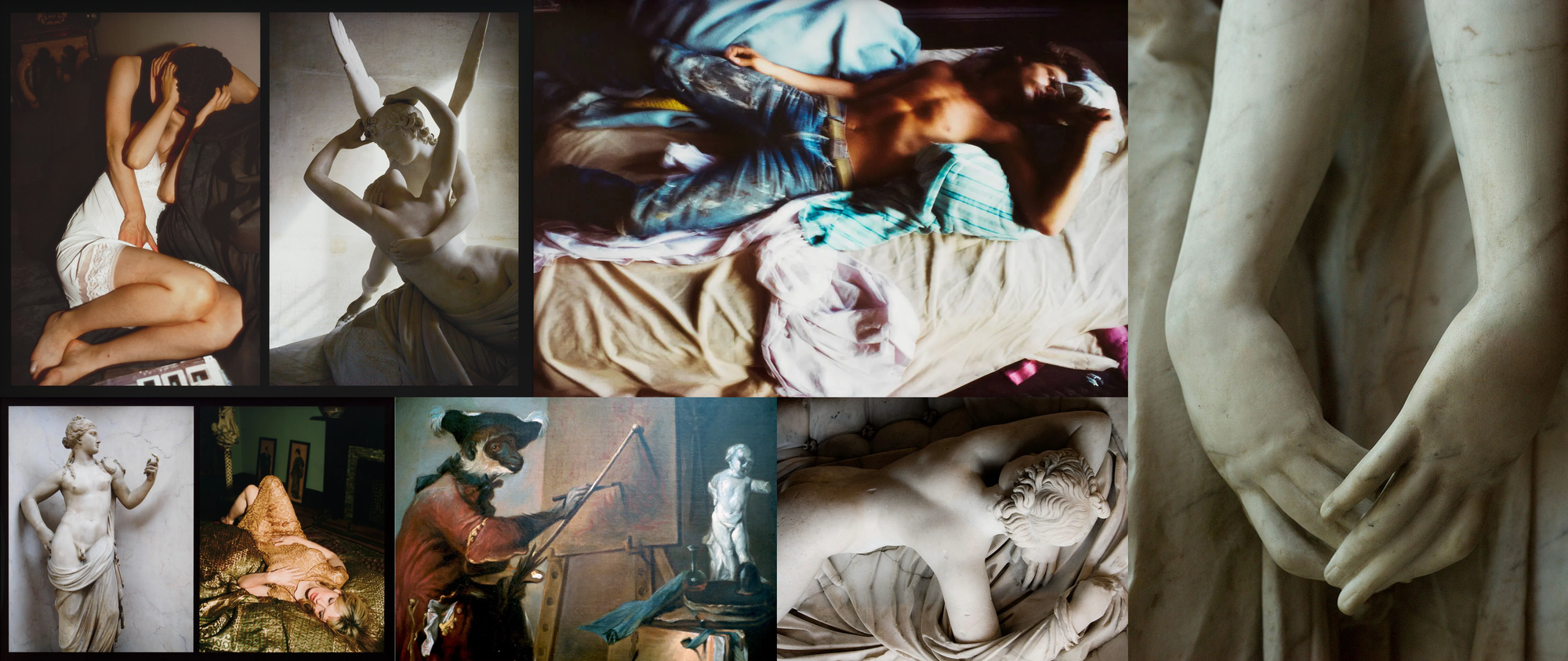
One of Goldin's more recent projects, Stendhal Syndrome brings her photographs into conversation with classical art.
The slideshow places portraits of her friends and lovers alongside paintings and sculptures from museum collections, highlighting similarities in gestures, expressions, and compositions.
Named after the phenomenon of feeling overwhelmed by the beauty of art, the work questions who museums have traditionally represented and whose experiences they consider worthy of artistic attention.
For Goldin, the connections between her photographs and historical artworks suggest that the people she has documented throughout her career belong to a much longer visual history.
Stendhal Syndrome will premiere in the UK as part of the upcoming Hayward Gallery exhibition.
Nan Goldin at the Hayward Gallery
You Never Did Anything Wrong marks a new chapter in Goldin's practice. Alongside Memory Lost and Stendhal Syndrome, the exhibition will feature You Never Did Anything Wrong, Part I (2024), and the world premiere of Part II (2026).
Moving beyond her familiar portraits of human relationships, these films explore animal consciousness, the natural world and environmental vulnerability. Yet the central concerns of Goldin's work remain recognisable: empathy, survival, and the importance of paying attention to lives often overlooked.
Nan Goldin: You Never Did Anything Wrong opens at the Hayward Gallery, London, on 24 November 2026. For exhibition details and tickets, visit the Southbank Centre website.
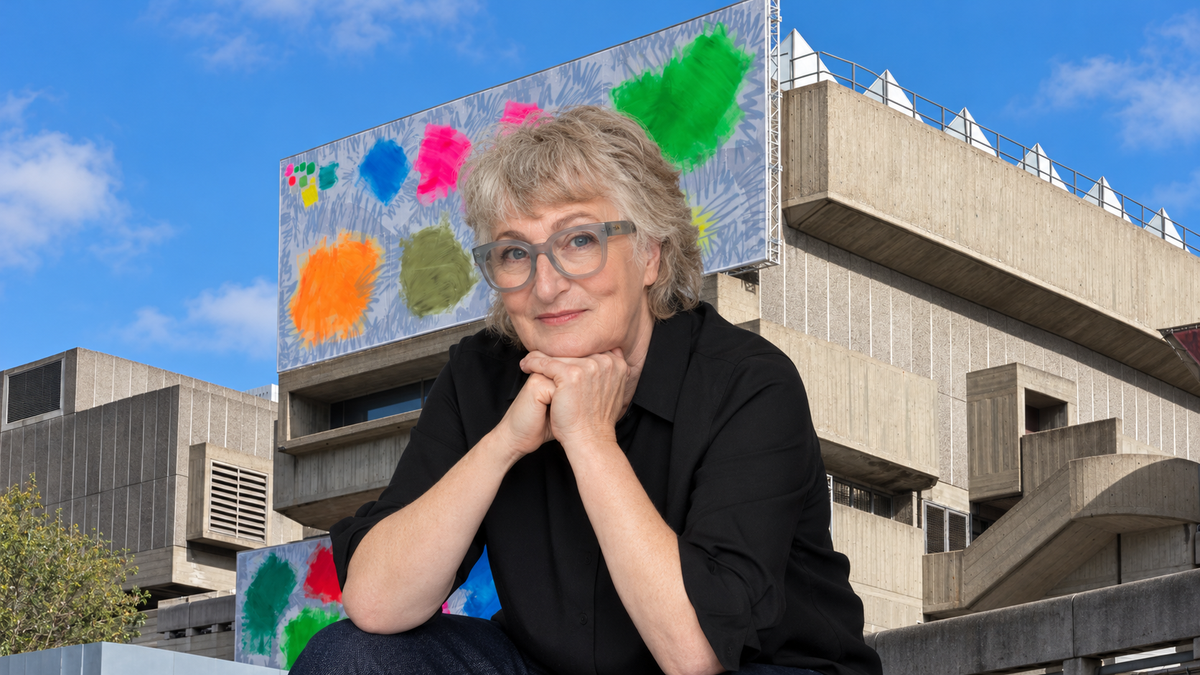
For more from the Hayward Gallery, read our interview with Renée Levi, the artist who transformed the gallery’s exterior with a colourful new installation.
 Hyper Culture Collective
Subscribe to our newsletter!
Weekly and monthly roundups of the best of London.