
Is Collectible Design the New Fine Art? PAD London 2026
From 13 to 18 October, PAD London returns to Berkeley Square for its 18th edition, bringing together 67 galleries showcasing historical and contemporary design, decorative arts and jewellery.
What makes a chair a work of art? Is it the designer behind it, the materials used, its rarity, or simply the price someone is willing to pay? As collectible furniture increasingly finds its place alongside paintings and sculptures, the distinction between functional objects and fine art is becoming harder to define.
Returning to Berkeley Square from 13 to 18 October, PAD London 2026 brings together 67 galleries from around 20 countries for its 18th edition. With historical furniture, contemporary design, decorative objects and jewellery presented alongside one another, the fair offers a glimpse into the evolving culture of collecting.
When a Chair Becomes a Sculpture

For much of the twentieth century, design was largely understood through its relationship with function. A chair was intended to be sat on, a table to be used, and a lamp to provide light. Yet today, objects may retain their original function while gaining value for their sculptural qualities and craftsmanship.
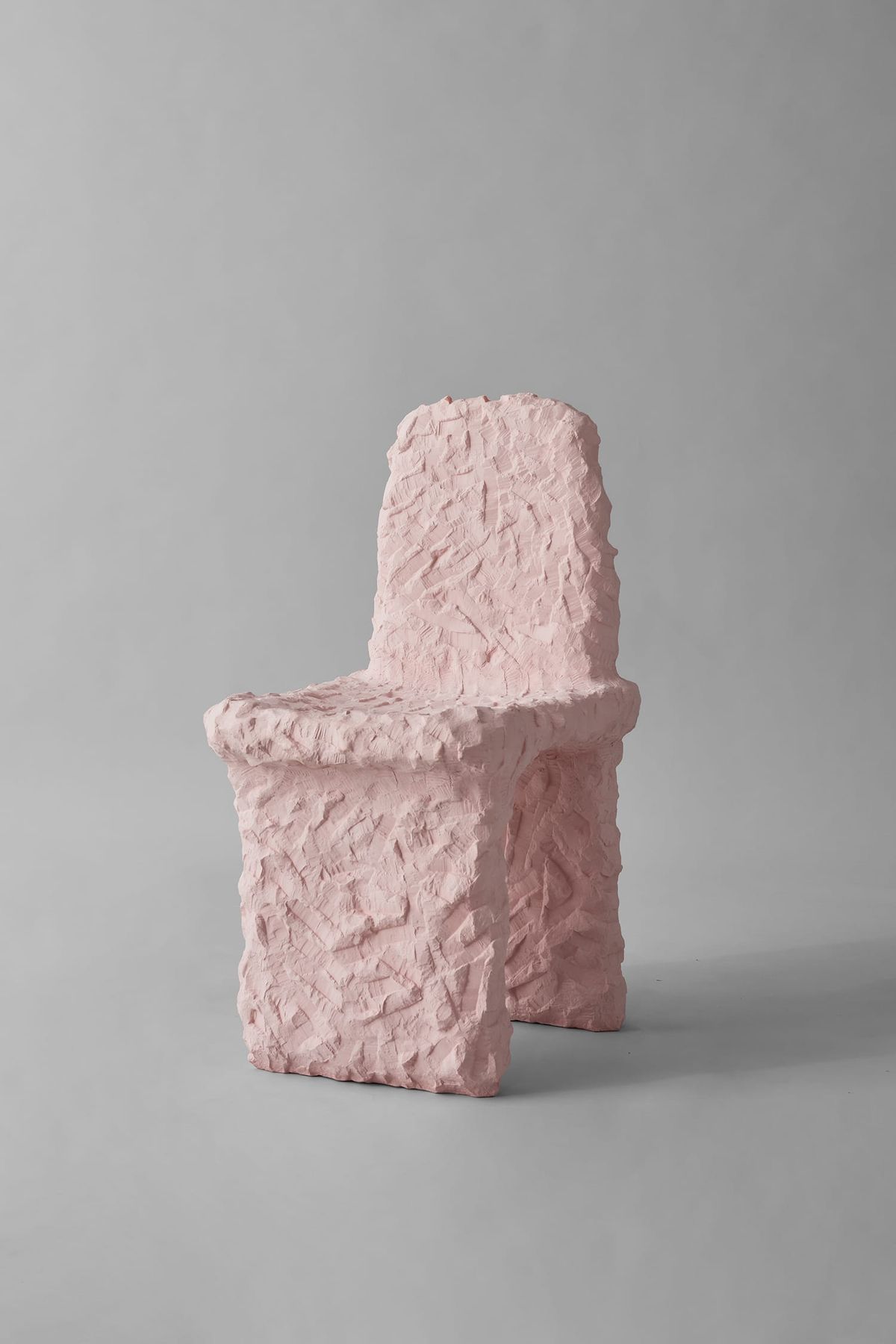
At PAD London 2026, Gallery FUMI presents Crockery Chairs, a new series by British designer Max Lamb, created in collaboration with Stoke-on-Trent ceramics manufacturer 1882 Ltd.
Made from slip-cast earthenware using hand-carved plaster models, the chairs challenge the conventional association of ceramics with fragile decorative objects. By transforming a material more commonly found in tableware into furniture, Lamb questions our expectations of both material and function.
The result is a chair that invites us to reconsider what furniture can be. Its purpose remains recognisable, yet its artistic identity extends far beyond the practical act of sitting. The question is no longer simply whether a chair is comfortable or functional, but what ideas it communicates through its form.
From Functional Objects to Collectible Art
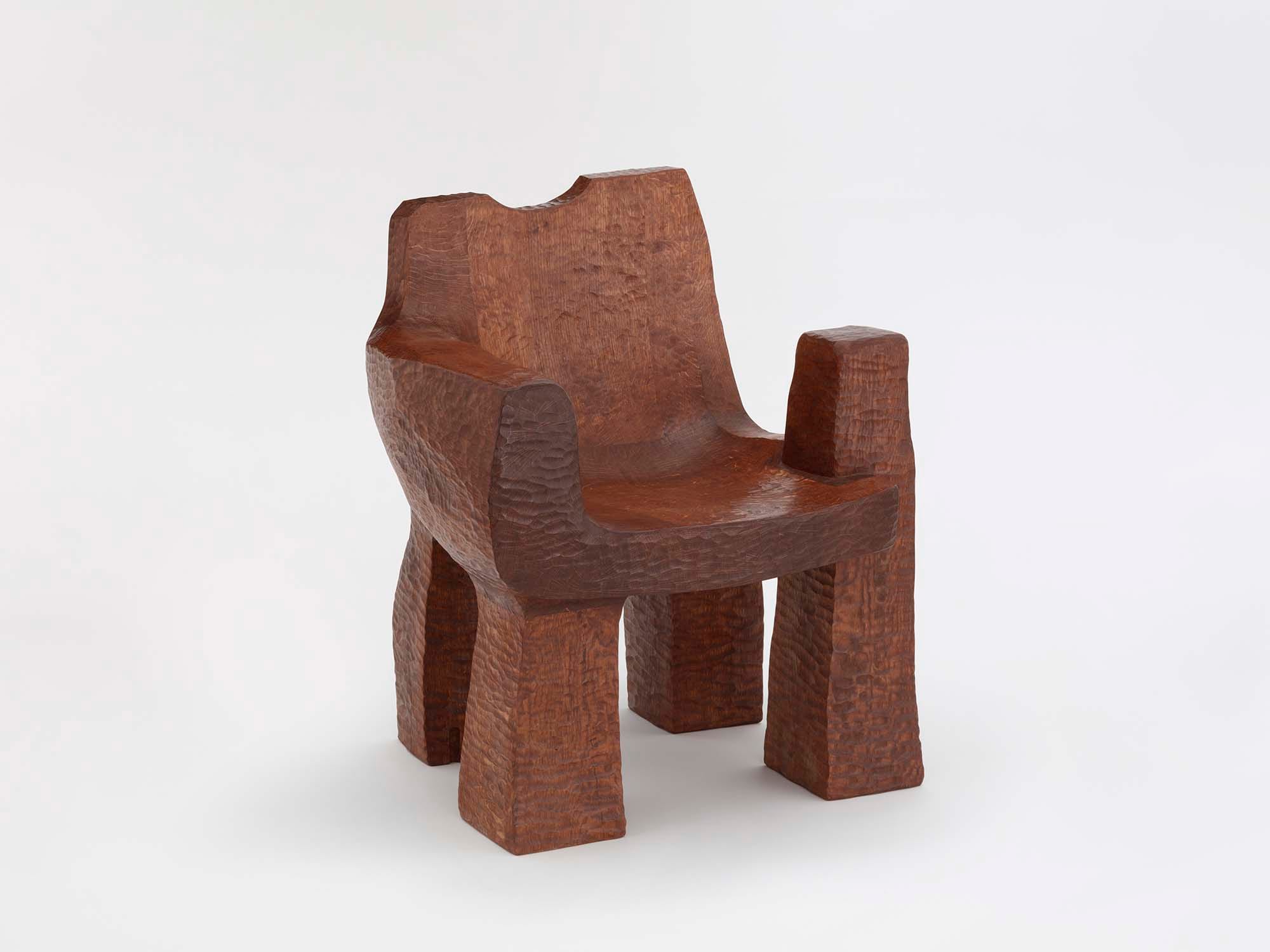
As collectible design gains recognition, galleries are taking a more active role in shaping the field. Many now work directly with designers, commissioning new pieces and helping bring their ideas to life.
Friedman Benda, for example, represents designers from five continents and across five generations. Its programme brings together design, craft, architecture, art and technology, while its exhibitions, publications and collaborations with museums help introduce these practices to wider audiences.
In many ways, this is similar to how contemporary art galleries operate. Both support artists, organise exhibitions and build interest in their work. Still, collectible design has something that sets it apart: even the most experimental pieces often retain a connection to everyday life. A chair can be collected and exhibited like a sculpture, but it is still, at least in theory, something you can sit on.
The Value of Design History
Alongside contemporary pieces, PAD London also highlights historical design and its lasting appeal among collectors.
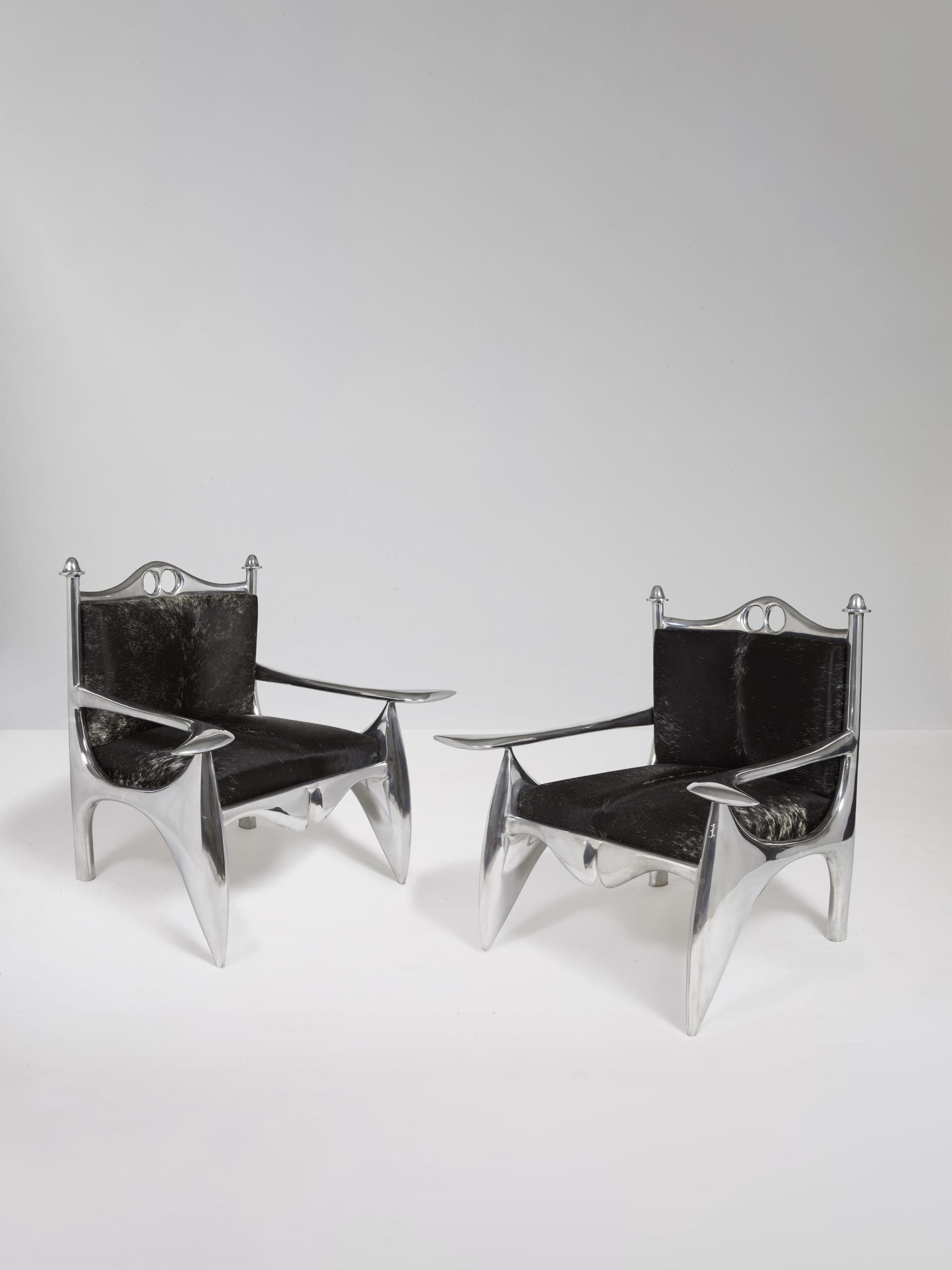
Galerie Gastou presents Philippe Hiquily's Polysex armchairs from 1993. Produced in an edition of eight, the chairs combine aluminium with woven black horsehair, bringing together sculptural experimentation and furniture design.
For collectors, objects like these offer more than an interesting design. Their value also comes from who created them, how rare they are, and the place they hold in design history. Much like paintings or sculptures, historical furniture can be appreciated for its artistic significance. The difference is that these objects were also made to be used, even if their owners today might prefer to keep them on display.

Modernity, founded in Stockholm in 1998, specialises in twentieth-century Scandinavian design, from furniture and lighting to ceramics and glass. The gallery works with pieces by designers such as Hans Wegner, Finn Juhl, Arne Jacobsen and Alvar Aalto, with a particular focus on rare and historically significant works.
At PAD London 2026, Modernity presents Hans J. Wegner’s Flag Halyard Chair, designed in 1950. With its steel frame and unconventional construction, the chair shows how Scandinavian designers experimented with materials and forms while keeping functionality in mind.
Is Collectible Design the New Fine Art?
As PAD London 2026 shows, the line between collectible design and fine art is becoming harder to draw. Furniture and decorative objects are increasingly displayed, discussed, and collected much like paintings and sculptures.
But does that make design the new fine art? Not necessarily. Furniture, ceramics, and other decorative objects have always had artistic value. What is changing is how we look at them, and what collectors are willing to invest in.
By bringing together historical pieces and contemporary experiments, PAD London offers a look at both sides of this shift. A chair designed decades ago can be just as relevant to today's collectors as a newly commissioned work. Both can tell us something about the people who made them and the period they belong to.
Rather than turning design into another form of fine art, perhaps the growing interest in collectible objects is simply giving design the attention it has long deserved.
After all, if a chair can communicate an artistic idea, embody a particular moment in cultural history, and be appreciated for its sculptural qualities, does it really matter whether anyone sits on it?