I Filmed the Concert, Therefore I Was There
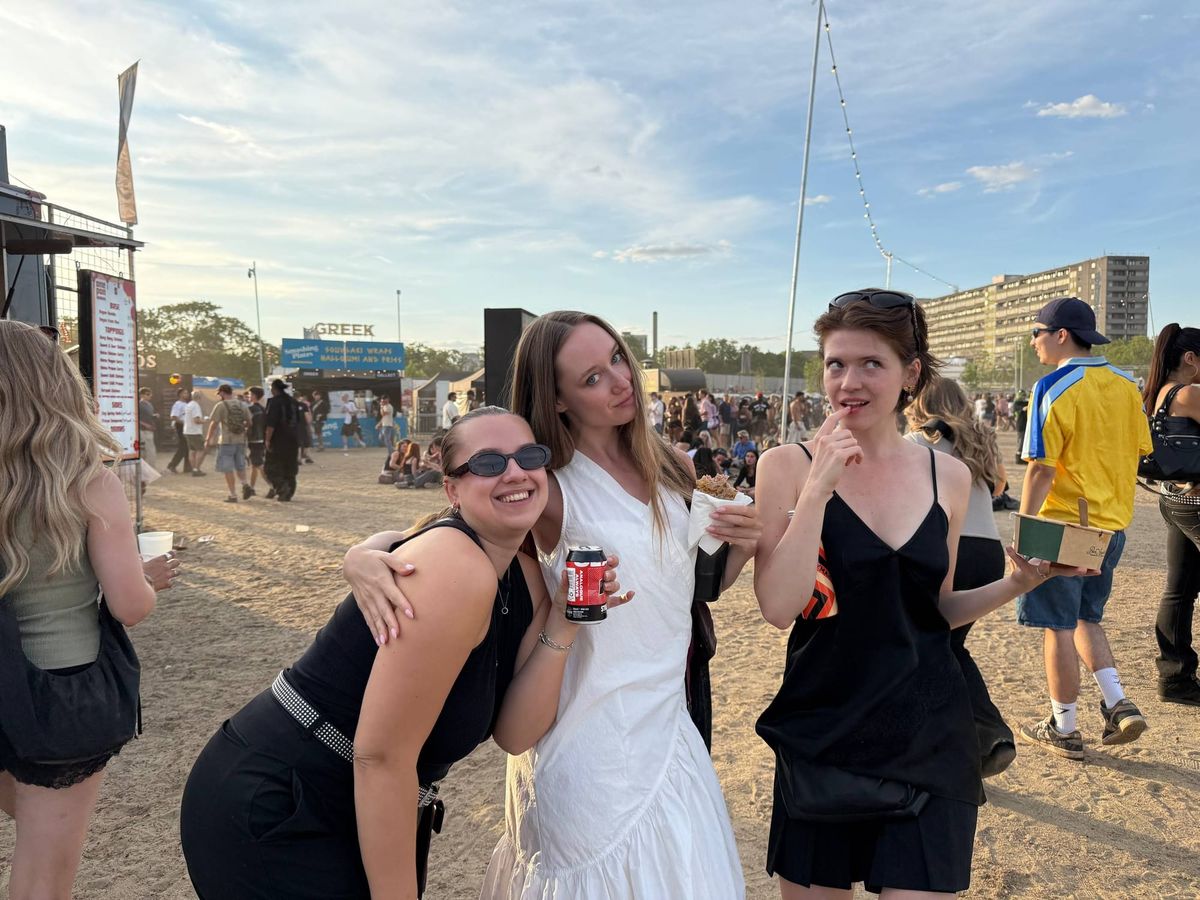
It is festival season in the UK. At Boiler Room, I watched The Dare and Yung Lean and, like a person with a university education, critical faculties and chronically insufficient phone storage, filmed practically every song I recognised.
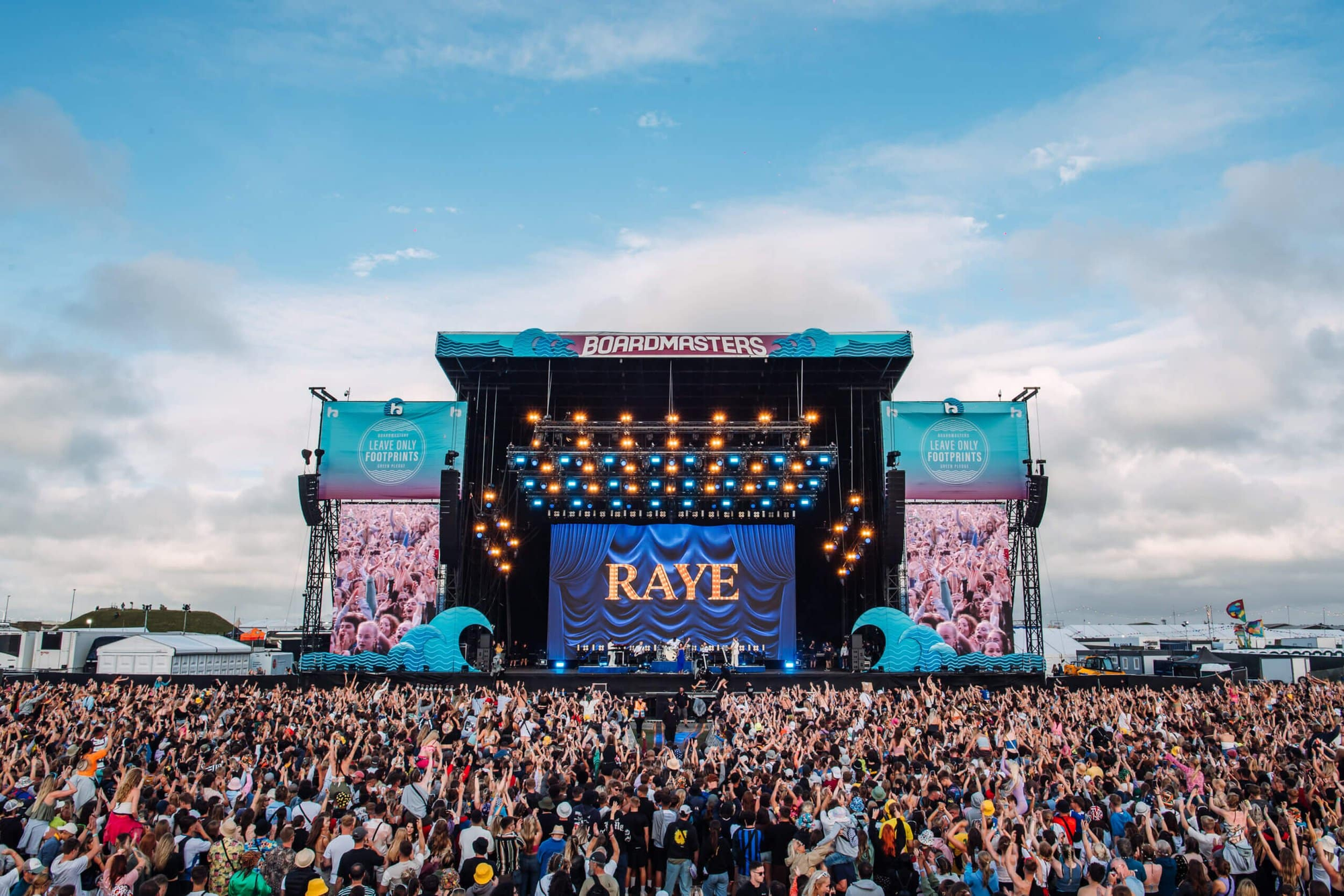
Around me, precisely what people go to Boiler Room for was taking place: some moved with the conviction of people who knew they were being filmed; some were genuinely enjoying the music; the rest were attempting to do both at once. At the first recognisable notes, phones rose above the crowd almost simultaneously — less a spontaneous reaction than a carefully practised piece of choreography.
Mine rose too.
Not because I intended to rewatch all those videos. Let's be honest, nobody does. Most of them will probably remain kept forever between a photograph of a receipt and an accidental screenshot of Google Maps. Nor was I worried that, without Instagram evidence, nobody would believe I had heard The Dare live. Although a contemporary event does, of course, only become fully real once it has been seen by people who were not there.
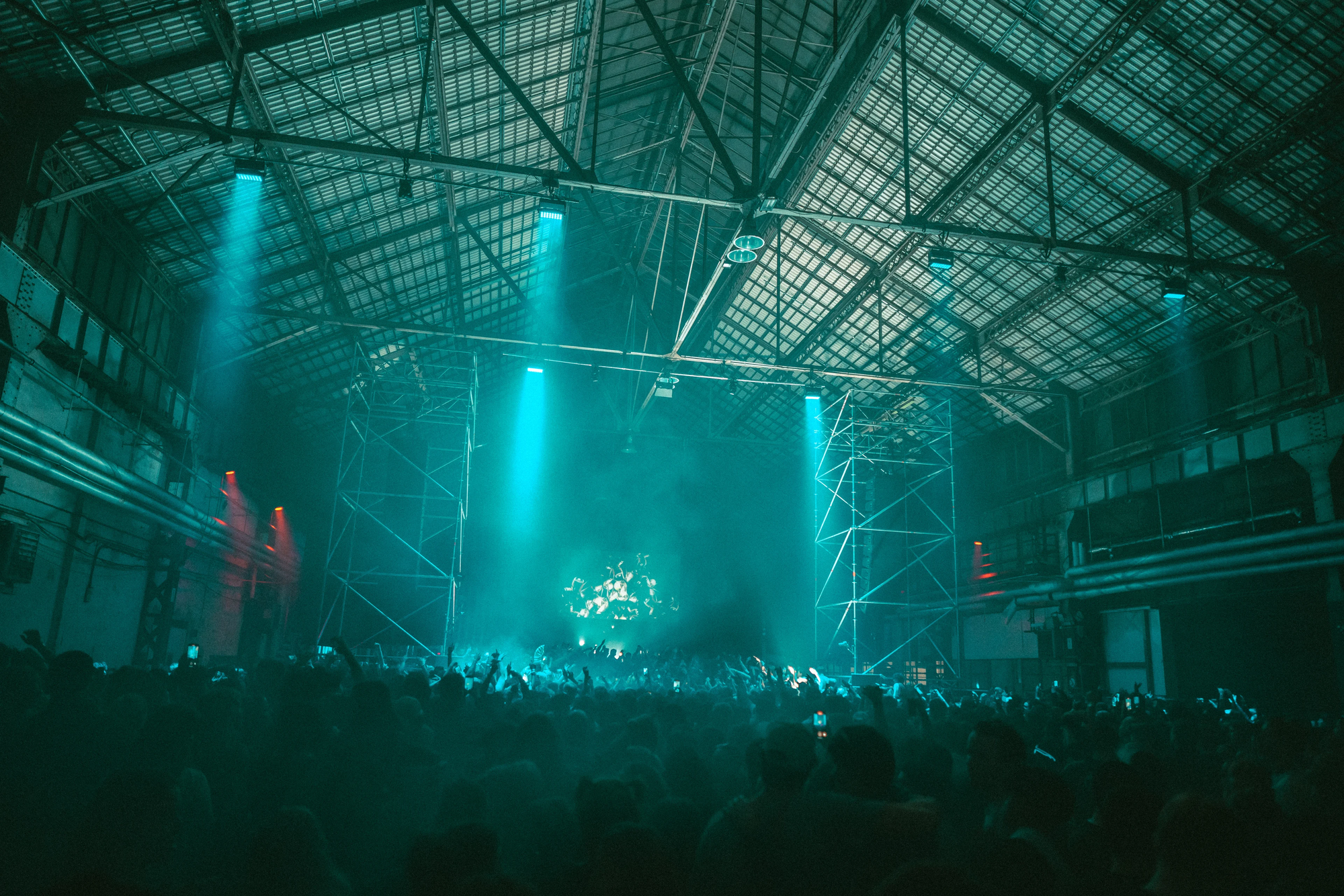
I filmed because I recognised the song. At that moment, the emotion became slightly too large to contain. The phone gave it a form.
We are used to thinking of the smartphone as the natural enemy of authentic experience. If someone films a concert, they are not truly present. If they photograph a painting, they did not really look at it. If they post their dinner, they are apparently incapable of simply eating it in silence.
Behind this criticism sits a rather romantic idea of pure, unmediated experience: a meaningful encounter should pass directly between the individual and the world, without a screen, a caption or a front-facing camera getting involved.
The problem is that this pristine form of presence probably never existed. We have always relied on mediating objects: diaries, letters, souvenirs, programmes, postcards and notes written on the backs of photographs. The difference is that the archive, mirror, notebook and distribution channel now all inhabit the same rectangular object — one we check nervously every few minutes.
The phone has become more than a communication device. It is also an instrument of emotional regulation. We use it to distract and soothe ourselves, to seek confirmation that our lives are real, and to transform an overwhelming experience into something manageable: an image, a clip, a message sent to a friend. So filming is not always an escape from the moment; sometimes it is how we stay inside it.
Research into photographing experiences complicates the familiar moral panic. Studies have found that taking photographs can boost engagement and enjoyment when the person chooses what to capture. The camera sharpens attention: you begin selecting details, anticipating moments and deciding what matters. In that sense, filming is not simply passive documentation. It is a form of framing.
But there is an important catch. The effect changes when we start thinking about sharing. The moment the imagined audience enters the experience, enjoyment can decline. We stop asking, “What am I feeling?” and begin asking, “How will this look?” Presence gives way to presentation. The person dancing beside us becomes background material; the song becomes content; emotion becomes a draft awaiting publication.
The phone therefore performs two contradictory functions at once. It helps us process an experience, but it also asks us to manage its public image. It preserves the moment while quietly turning us into administrators of our own visibility.
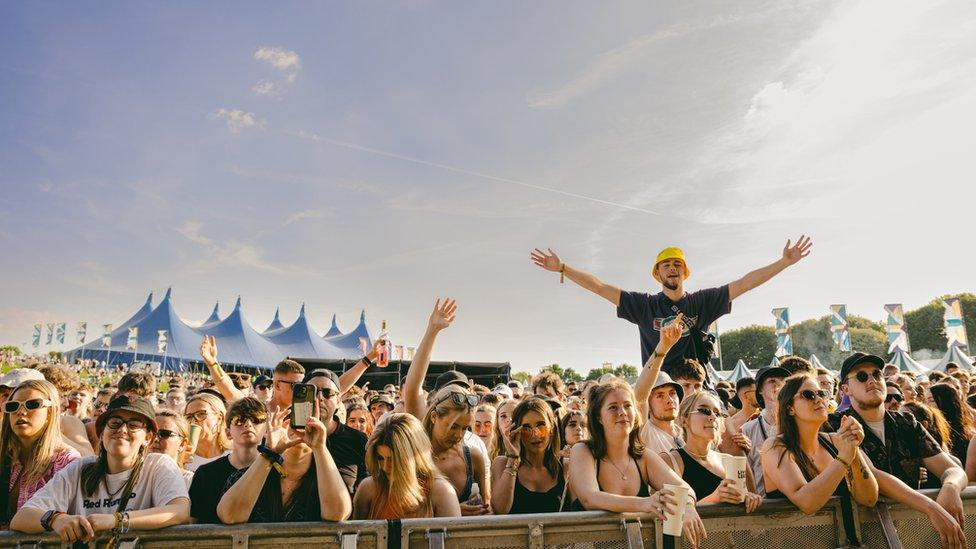
This may explain why we tend to film the songs we already know. Recognition creates anticipation: we know the chorus is coming, we know what it means to us, and we want to catch the precise second when private memory meets collective experience. The recording is less proof that the artist performed the song than proof of our own emotional response to hearing it.
At Boiler Room, filming The Dare and Yung Lean was not really about conserving a complete musical record. The internet already contains better footage, cleaner sound and angles not obstructed by somebody’s shoulder. My videos were technically inferior and emotionally exact.
They recorded not only what happened onstage, but where I stood, who was around me, how the crowd moved and what the song felt like from inside that particular night. Their value lies precisely in their imperfection. They are not documents of the performance. They are documents of my presence within it.
We do not simply experience events anymore. We archive, edit, distribute and revisit them. This can diminish an experience, but it can also extend it. A thirty-second video sent to a friend is a way of saying: you should have been here; I thought of you; this song still belongs to us.
Perhaps the better question is not whether we should film concerts, but what the filming is doing for us. Am I using the phone to look more closely, to hold an emotion or to share it with someone?
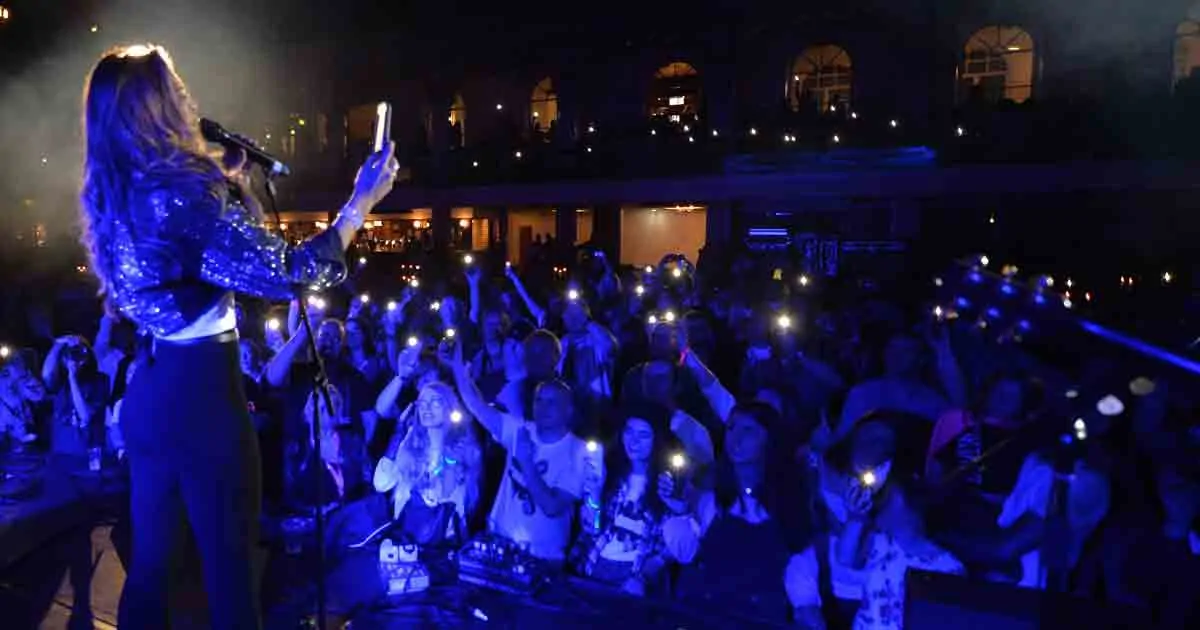
At the Boiler Room, the answer was probably both. I was present, moved, distracted, performing, remembering and archiving at the same time. In other words, I was experiencing the concert exactly as a contemporary person does: inconsistently, mediated through technology and with 4% battery remaining.