
Beyond Nostalgia: Paul Harvey on Stone Island, Subculture and the Future of Menswear
British designer Paul Harvey reflects on his years at Stone Island, the founding of Ten c, the decline of independent retailers, and why innovation matters more than nostalgia.
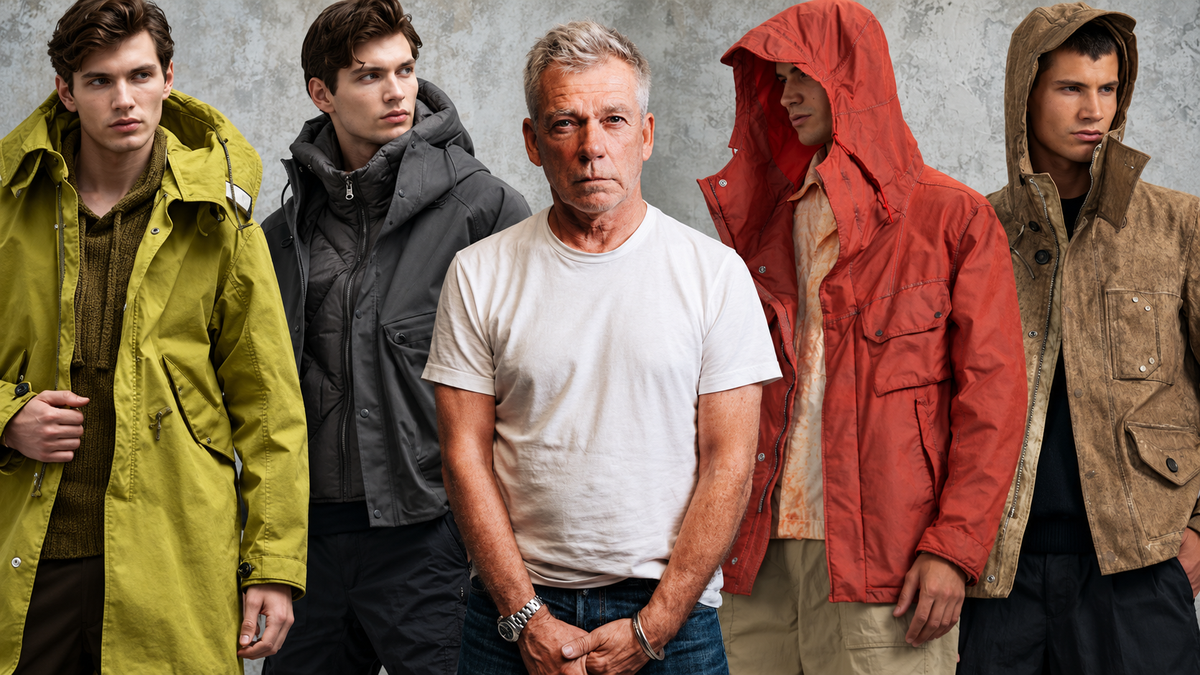
From his twelve years at Stone Island to his work with C.P. Company and the founding of Ten c, British designer Paul Harvey has helped shape the language of modern technical menswear. We spoke with him about experimentation, the influence of Italian sportswear on British subcultures, the importance of independent retailers, and why looking to the past should always lead to something new.
1. How did you develop your own creative language at Stone Island while respecting Massimo Osti’s legacy?
Perhaps Massimo Osti’s greatest legacy was Sportswear Company itself and by pushing that amazing group of people as hard as possible I was, I think, respecting Osti’s legacy. And, my approach to vintage garments, and fabrics, was different. Instead of say lifting a detail - a pocket flap, a hood - directly from a vintage piece I tried to find the original idea behind that detail and then use that idea. For example; the M65 field jacket hood is attached inside the collar by a strip of nylon jersey so that the hood can move forward when the wearer bows his head - in many cases we used ribbing or elastic to perform the same function, enriching the detailing of the finished garment. Plus of course we actually worked at creating fabrics rather than just duplicating them.
2. Which experiment from your Stone Island years most changed the way you thought about clothing?
There is really no particular experiment that changed my thoughts on clothing, it was just a gradual increase in the knowledge that we could do just about anything; there was, and still is, so much more to explore. Every single experiment seemed to open new doors but maybe the widest door was the SWG knitting machine. Here was a technique that with a great deal of time and patience and maybe money would, one day, produce a finished waterproof outerwear jacket.

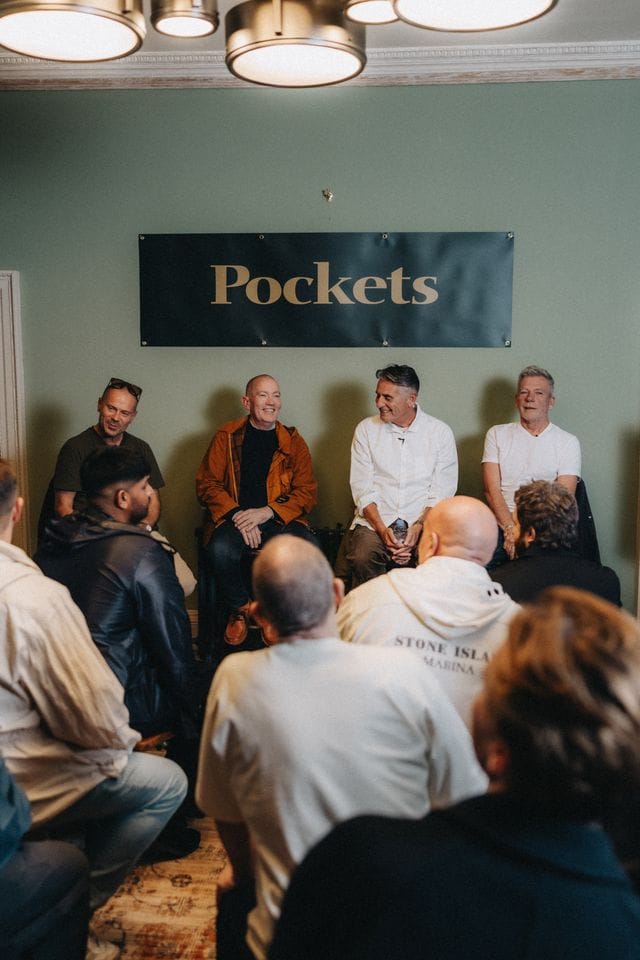

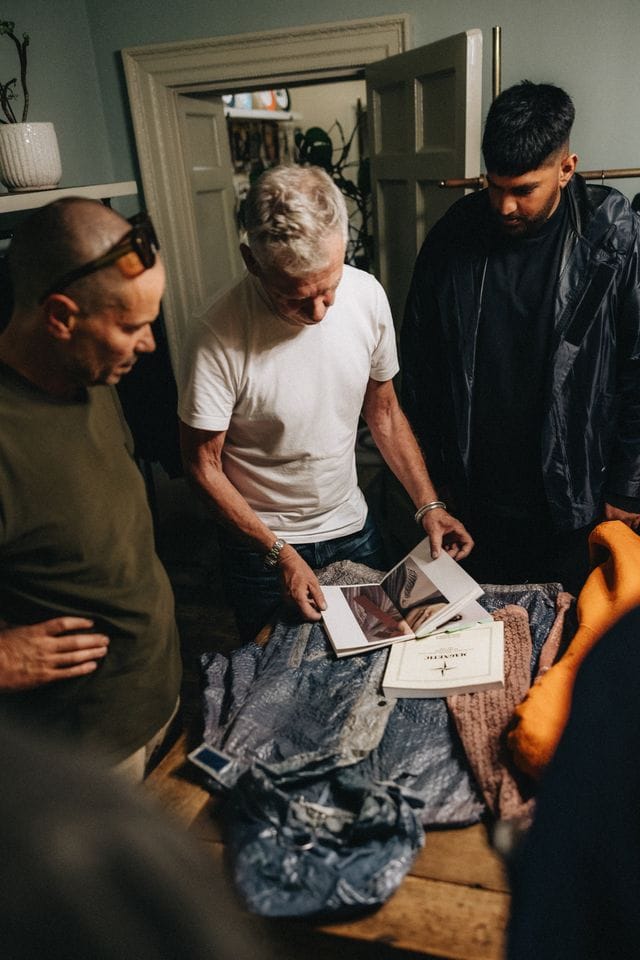

Credit: Pockets Store Event
3. Why did Italian sportswear connect so deeply with British football and music culture?
I really have no idea. I came to Italy in 1979, long before Italian Sportswear hit the British market. Maybe it had something to do with the same motivation behind the selfie phenomena, the idea of having something to show you were there, you went to that match. We are after all talking about long before cheap european flights and an international game every day of the week. Italy was still incredibly exotic in those times and returning with some (possibly shoplifted) piece of unknown Italian clothing was a much admired trophy, an earning of colours. I believe the Italian craze started on the terraces before flowing into the music scene but I could be wrong. I was in some exotic land at the time.
4. What role did independent retailers play in building the culture around Stone Island, C.P. Company and Ten c?
Of course independent retailers built on this interest, searching out suppliers and brands long before the big chains had the courage to risk their larger budgets and to spend the time required to find these smaller factories which often were not in the major cities. Such was the case first with CP Company and then Stone Island. Ten c followed much later but even then was boosted first by two independent shops. And these close intimate direct contacts with these smaller factories meant that the shops themselves knew so much more about the products, a knowledge they passed onto their clients.
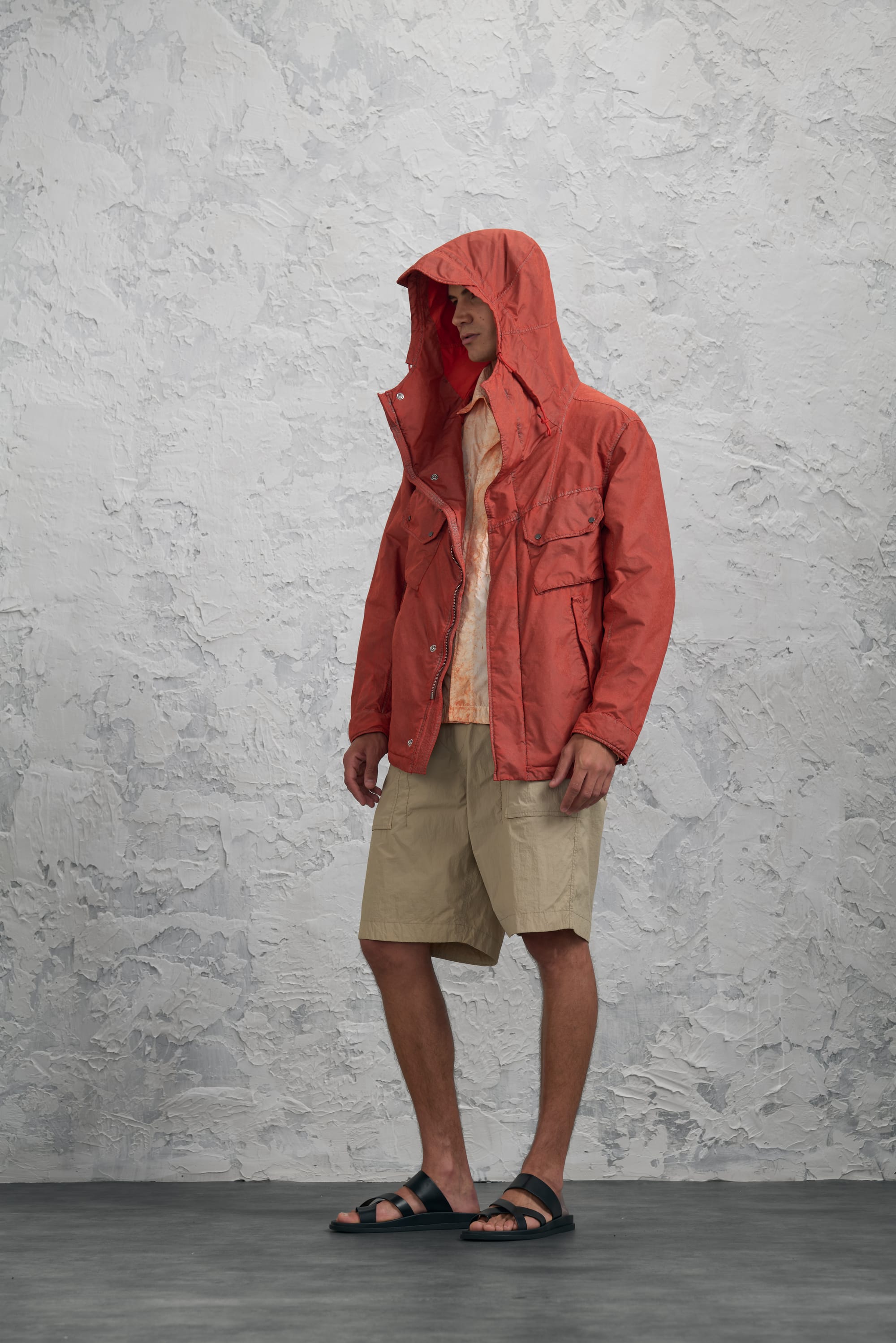

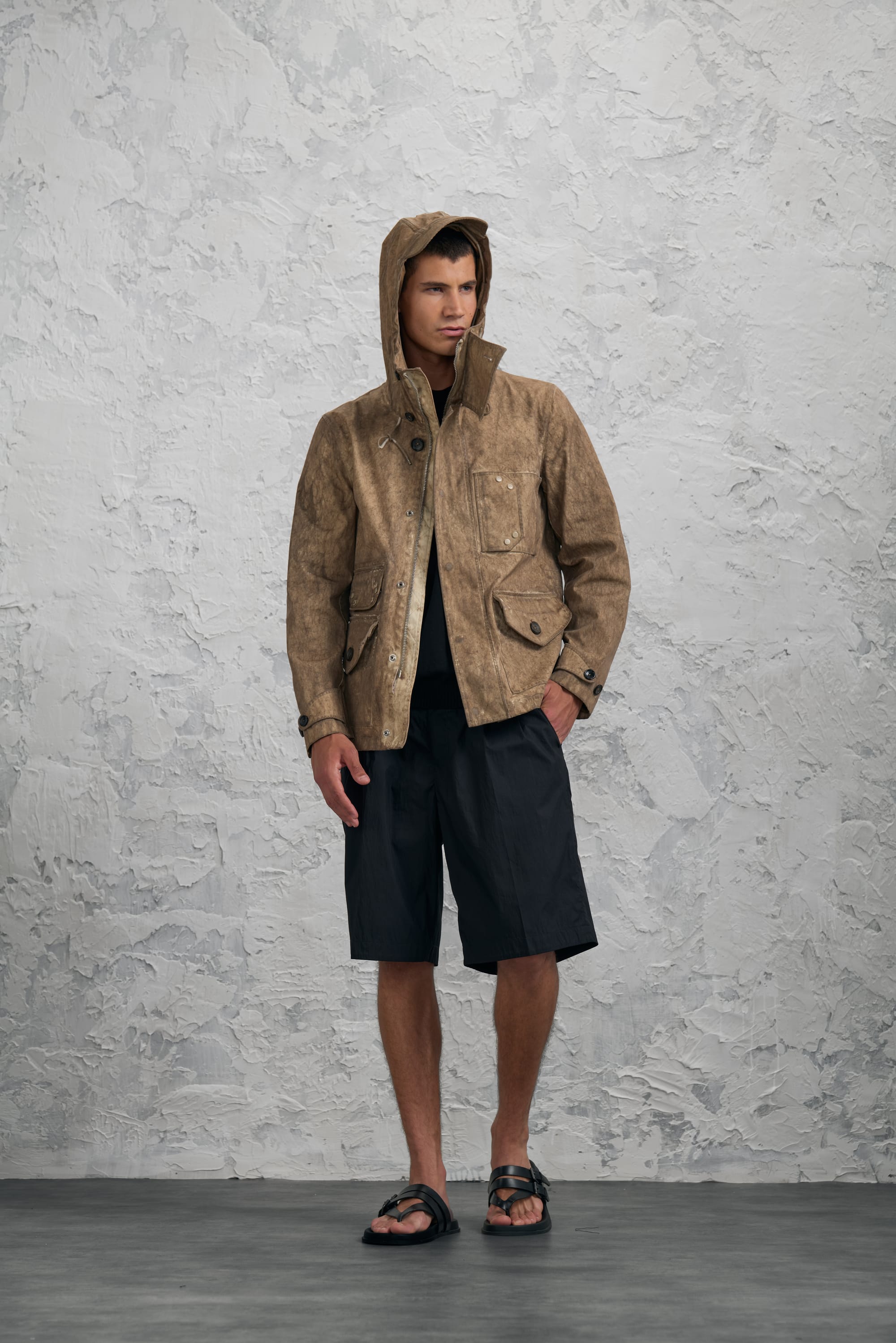
Credit: Ten c SS27 Collection
5. What is lost as independent menswear stores disappear and retail becomes increasingly consolidated?
As retail becomes increasingly consolidated it becomes ever more evident that what we did in the 90’s and the 00’s doesn’t happen if your only objective is filling rails and counting counters. Products as complex and as rich as Stone Island, CP Company and Ten c need explaining, they need to loved. They need to be tried on, taken off and inspected inside and out. They need the time and the knowledge and the patience that only an independent shop can offer. When I was in Bath recently they only had 2 Ten c jackets on stock. A large chain simply cannot manage such a situation.
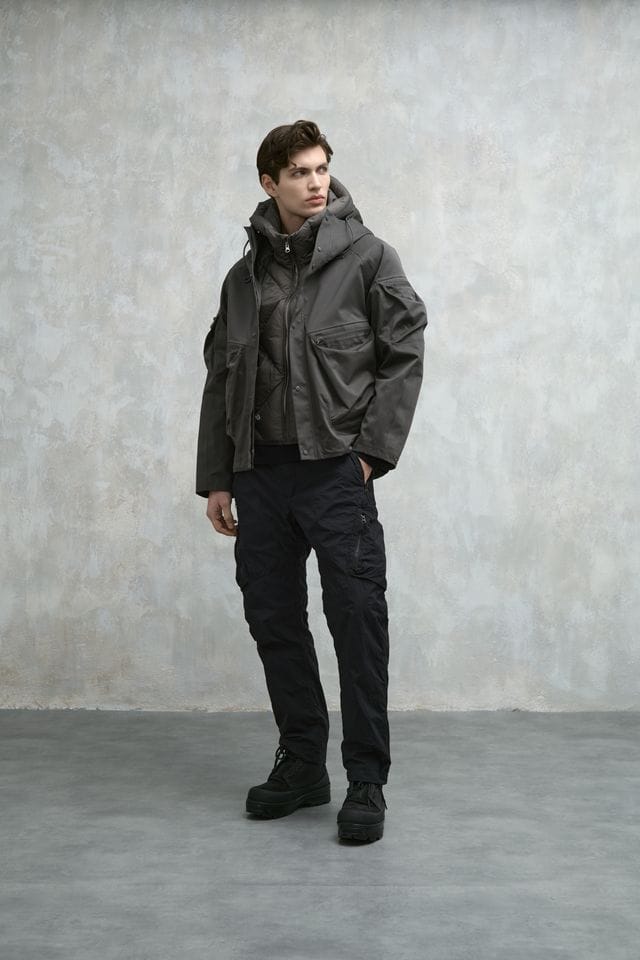
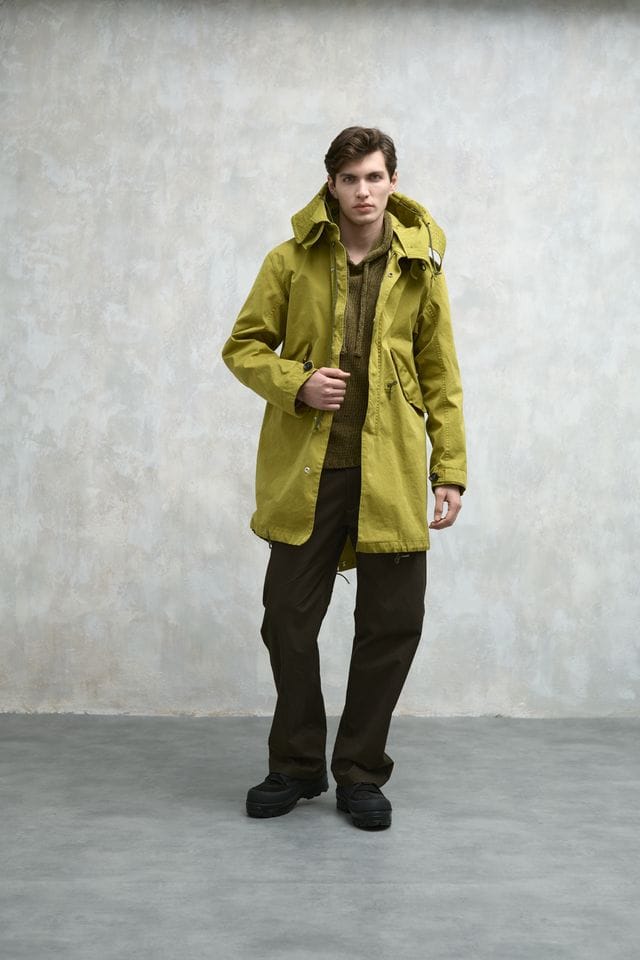
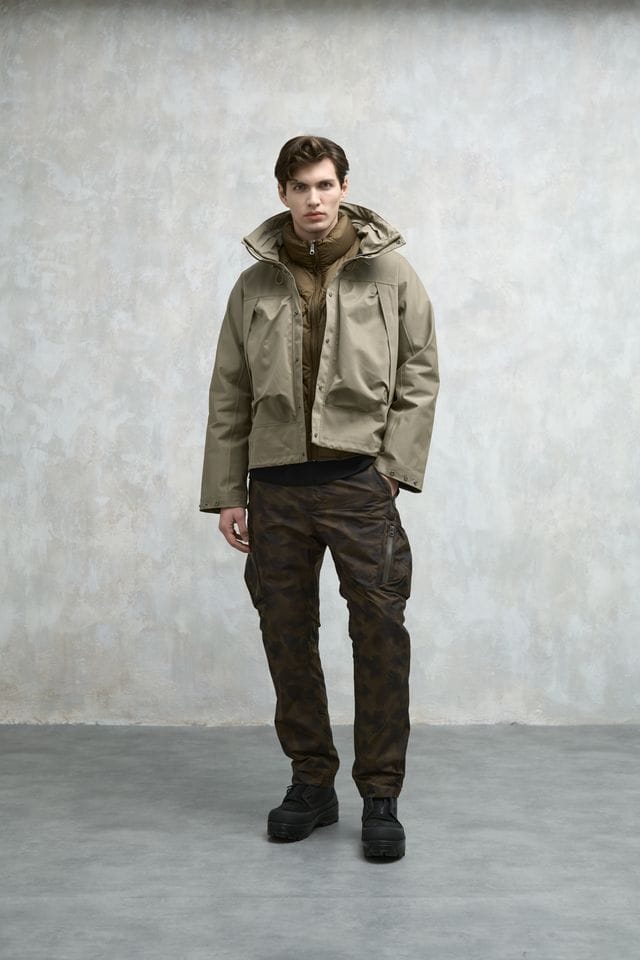
Credit: Ten c FW26 Collection
6. Where does meaningful engagement with fashion archives end and nostalgia begin?
The difference between nostalgia and and a meaningful engagement is so very very
subjective. In my job I can look back and say oh we did this, we made that, but personally speaking I see no reason whatsoever to do it again, to produce a copy. I realise mine is a very extreme point of view but I have always always believed in my work that if somebody has already done something we must do something else. We must be new. Original. So a meaningful engagement is fine as long as it leads to something new.
7. What makes a garment culturally significant rather than simply technically impressive?
A garment becomes culturally significant when it moves beyond being just that garment. I believe in the case of some brands - Stone Island, CP and Ten c for example - this applies not only to the garment but the brand itself. The products have become so aspirational, so much a part of certain life styles, that they have become culturally significant. As well as being technically impressive.