Trespassing the Art World: TuRist on Provocation, Censorship and the Power of Humour
An anonymous art collective on ideological conformity, the absurdities of contemporary art and why a good joke can be more powerful than a political manifesto.
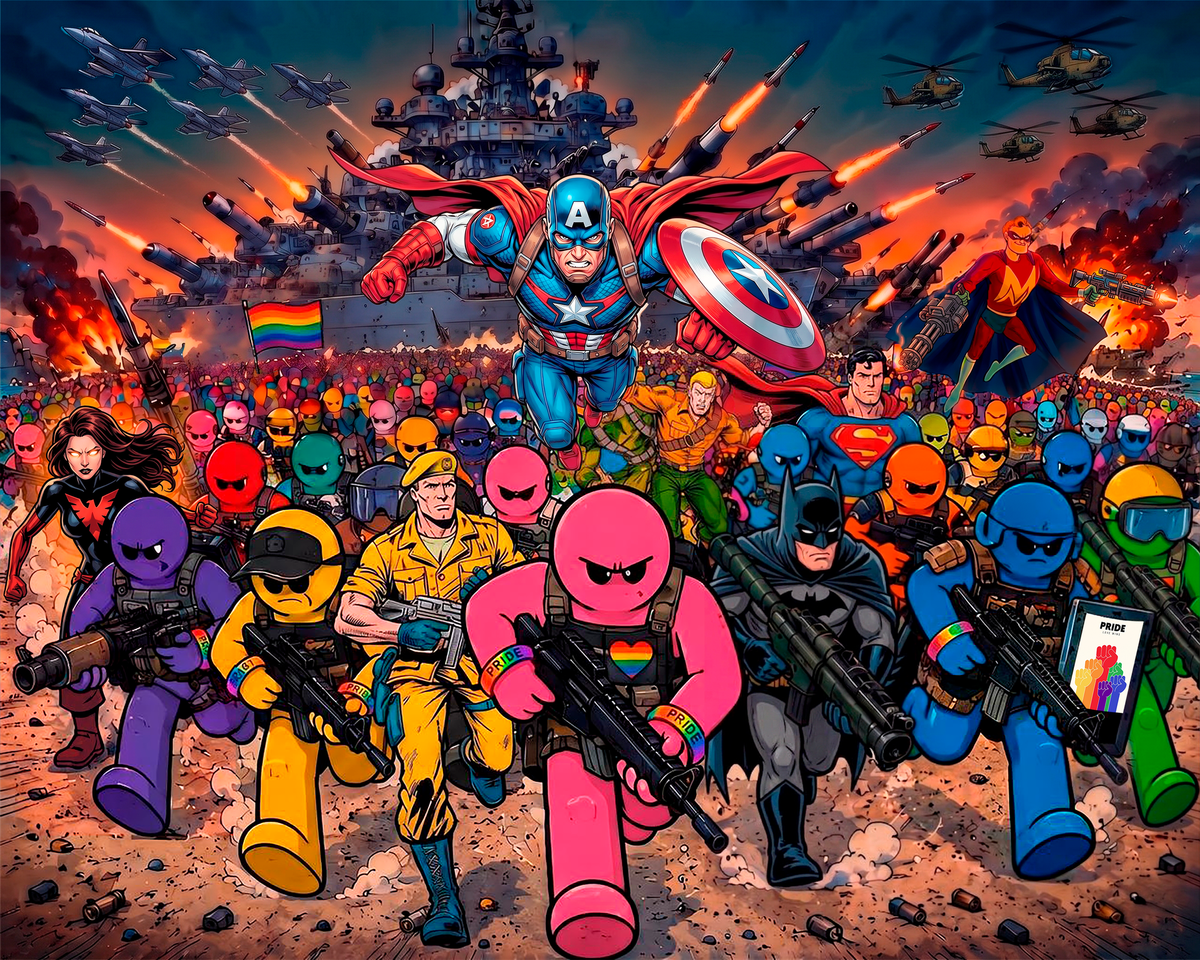
Contemporary art loves to celebrate rebellion. But what happens when someone starts rebelling against contemporary art itself?
For anonymous collective TuRist, the art world has become an establishment with its own rules, ideological expectations and subjects best left untouched. Drawing on the visual language of the Russian avant-garde, Sots Art and internet memes, the collective uses satire to challenge what it sees as the contradictions of contemporary culture.
We spoke to TuRist about anonymity, censorship, humour and why a heated argument might be the best possible response to an artwork.
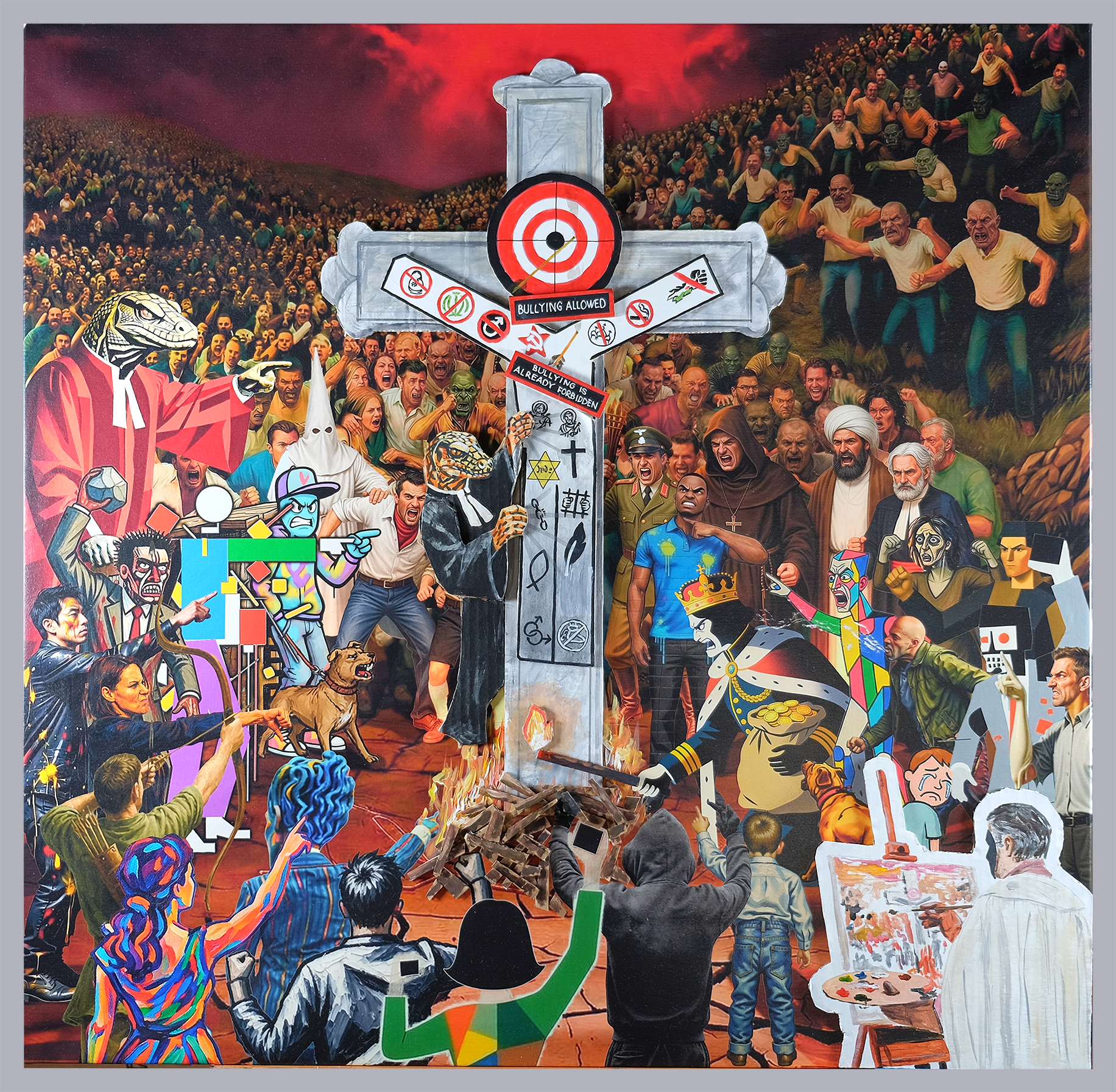
1. Why does TuRist remain anonymous, and how does anonymity affect the way the work is understood?
Contemporary art was born as a rebellion. Now it has become an establishment with its own ideology, mostly left-liberal, and its own censorship.
We sometimes question things you are not supposed to question. So anonymity is simply a matter of personal safety.
Besides, why should anyone care who we are? The ideas are more interesting than our identities.
2. What does provocation mean to you today, when almost every shocking image quickly becomes content?
Shocking people is easy. Making them question their own beliefs is much harder.
We are not particularly interested in scandal. We prefer to make people laugh at something they normally take very seriously. That’s a much more interesting kind of provocation.
3. How have the Russian avant-garde and Sots Art influenced your visual language?
In the Soviet Union, artists had to find ways around censorship. Sots Art used propaganda imagery, absurdity and humour to make fun of the official ideology.
We are doing something quite similar today, just with a different ideology.
Of course, the West isn’t the Soviet Union. But the mechanisms of ideological conformity can look surprisingly familiar.
4. Political art often becomes dated very quickly. How do you make work that can exist beyond a specific news moment?
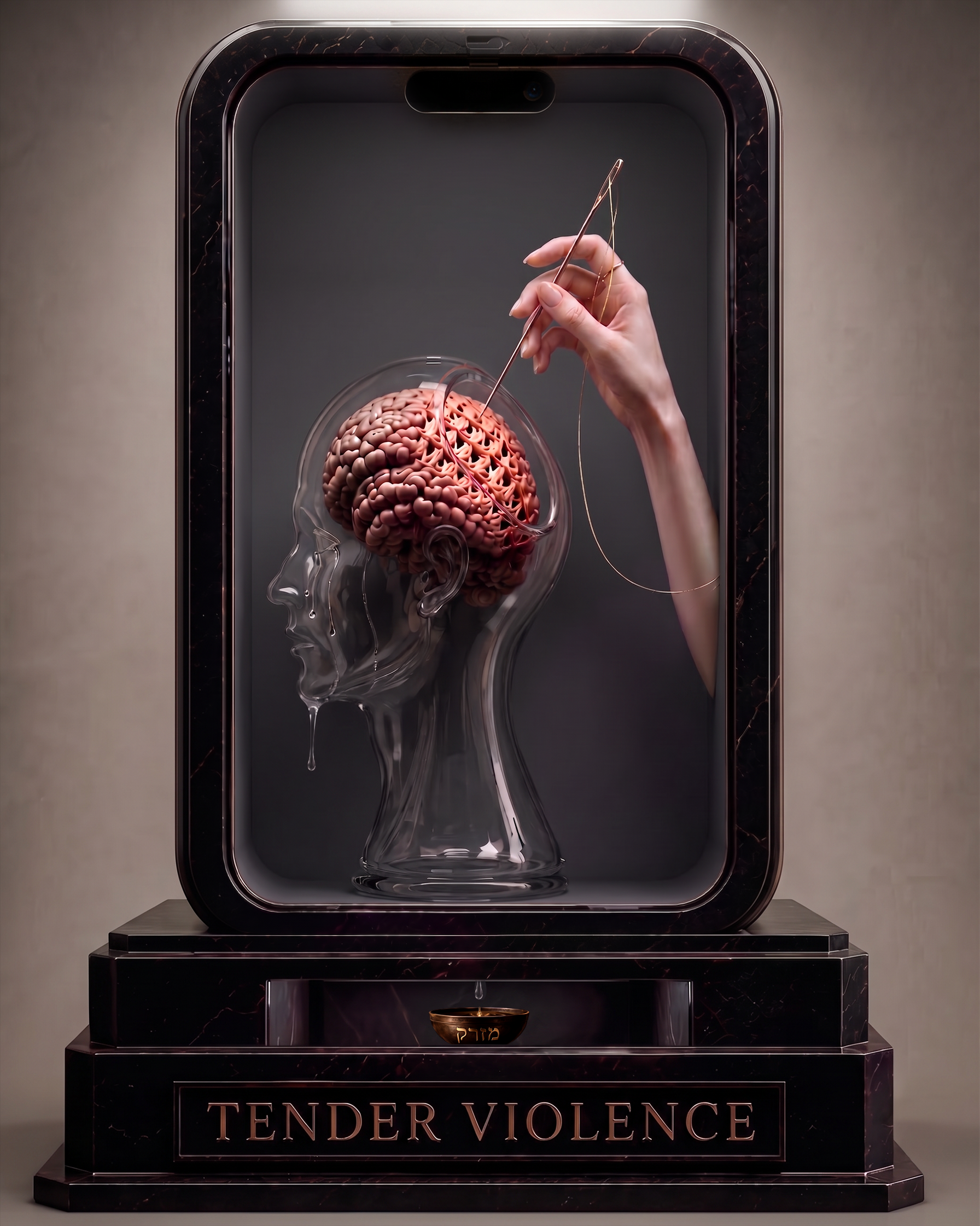
Actually, we try not to make political art anymore. Politics gets old very quickly.
We are more interested in ideology, technology, power and the absurdities of modern society. These things have a political flavour, of course, but they don’t disappear after the next election.
5. What does the idea of “trespassing” mean within your practice?
We are trespassing into contemporary art itself. It’s a territory dominated by a left-liberal agenda, and we don’t exactly belong there.
We are not here to shit on someone’s doorstep or draw a moustache on Greta Thunberg. We just want to ask a few uncomfortable questions.
If contemporary art really believes in freedom, it should learn to laugh at criticism of itself. Otherwise, it risks turning into something resembling Soviet propaganda.
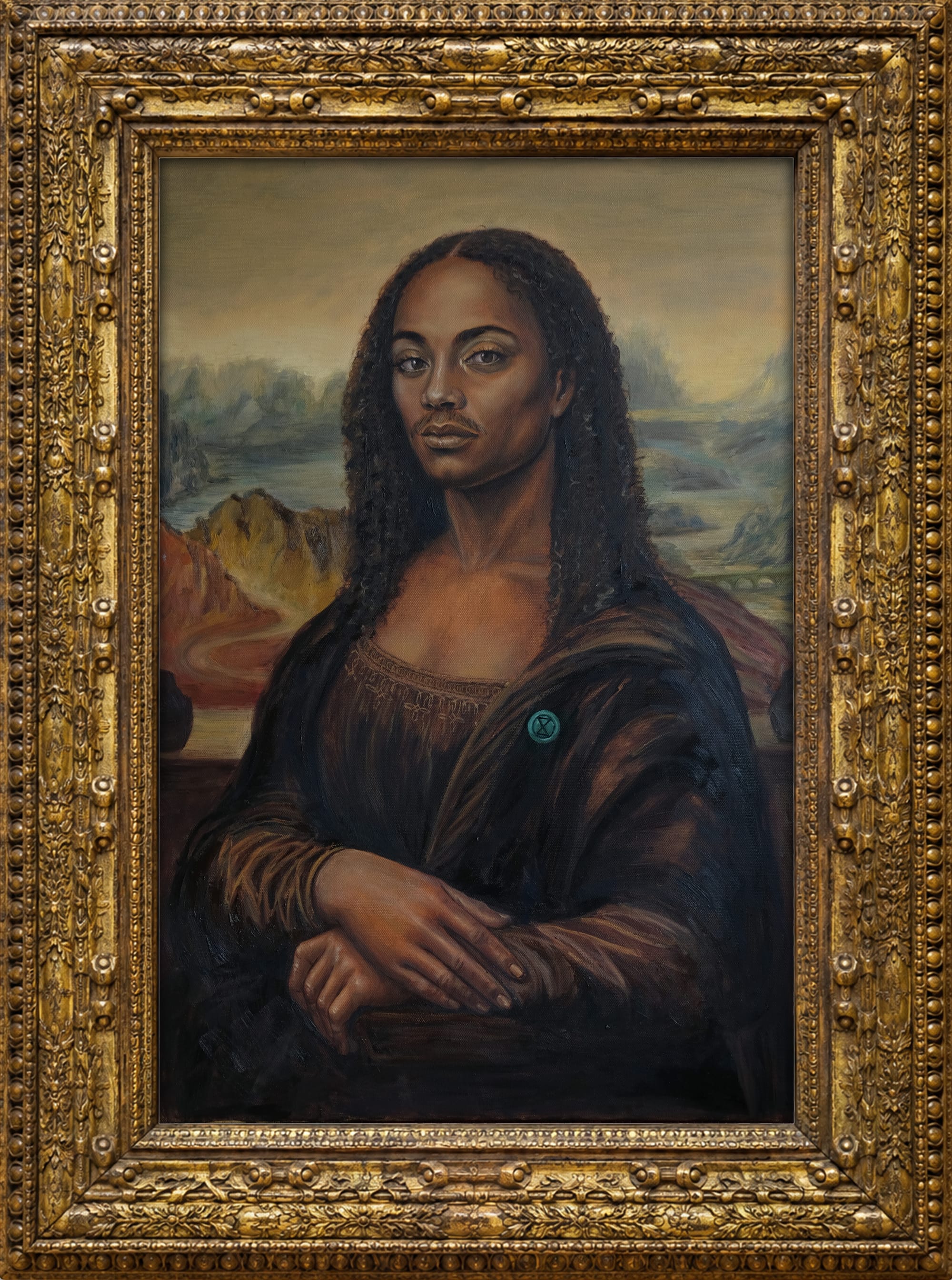
6. Could you tell us more about Mona Inclusiva and how the work developed?
We wondered what Leonardo da Vinci would have to paint today to be accepted by the contemporary art establishment.
The old Academy had strict rules about beauty, anatomy and composition. Modern art supposedly abolished all that.
But now we seem to have a new Academy, with its own ideological requirements.
Mona Inclusiva is simply our attempt to help Leonardo meet them.
7. Do memes and social media make political art more accessible, or do they make it easier to consume and forget?
Both. Memes are incredibly effective. You can squeeze a whole political argument into one image.
But social media turns everything into disposable entertainment. Today you’re a sensation, tomorrow you’re forgotten.
We try to use the language of memes to make something that survives longer than a news cycle.
8. Is humour a form of protection, criticism or resistance for you?
All three. But mostly it’s a weapon against people who take themselves too seriously.
The Soviet system hated jokes about itself. Today’s ideological establishments aren’t particularly fond of them either.
A good joke can sometimes do more damage to a dogma than a hundred serious arguments.
9. What reaction would you most like the audience to have when encountering your work?
I’d love to see people arguing about our work. Ideally, a proper heated argument.
If they start fighting, even better. That would be a really successful exhibition.
Subscribe to our newsletter!
Weekly and monthly roundups of the best of London.