Rediscovering Berenice Sydney: Emma Andreoli on Art, Archives and Forgotten Legacies
Despite more than 100 institutions acquiring her work, British artist Berenice Sydney gradually disappeared from the art world conversation. Now, Gillian Jason Gallery's exhibition brings her work back into focus following nearly three years of research.
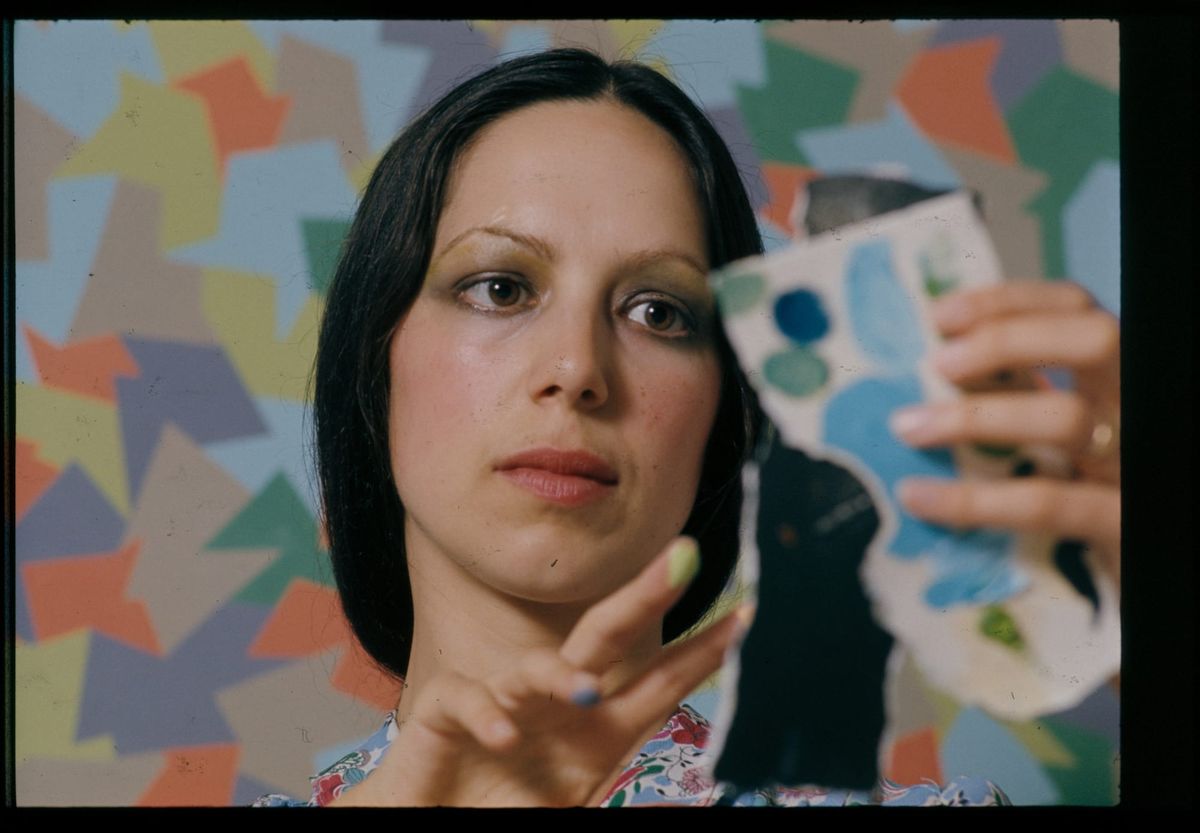
What does it take to bring a forgotten artist back into the spotlight? At Gillian Jason Gallery, a new exhibition, Searching for Berenice, is the result of nearly three years spent tracing her work, exploring archives and reconstructing a remarkable artistic career.
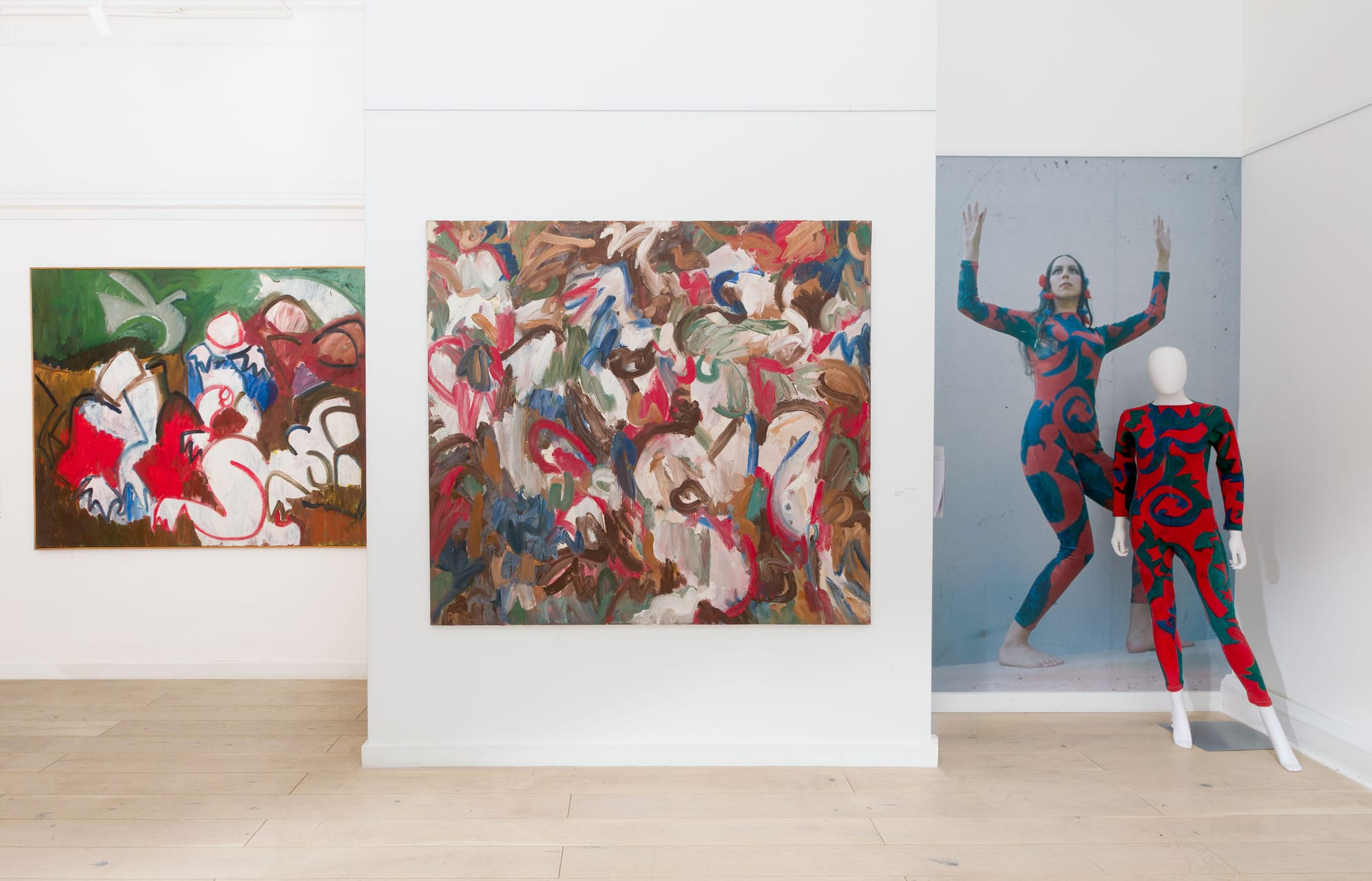
Bringing together paintings, prints, sketchbooks, archival materials, and performance costumes, the exhibition explores Sydney's remarkably diverse practice and asks how an artist once widely recognised could become almost forgotten.
We spoke with Emma Andreoli, Curatorial Director at Gillian Jason Gallery, about the discoveries behind the exhibition, the challenges of reconstructing Sydney's legacy and why being collected by a museum doesn't necessarily mean being remembered.
1. What first led the gallery to begin searching for Berenice Sydney and commit to this almost three-year research project?
As a gallery, we've always focused on championing emerging artists, but we soon realised that there were so many women artists who hadn't received the recognition they deserved in their own time, or whose legacies had simply been left behind as the art world became increasingly commercially driven. We wanted to revisit some of those practices and give them the space and attention they deserved. When we were first introduced to Berenice's estate, we immediately knew there was something special about her. The works spoke for themselves, and once we started looking into her story, it became very difficult to let go.
2. Her work entered more than one hundred institutional collections, including Tate, the British Museum, the V&A and the Smithsonian. Why do you think sustained critical attention did not follow?
I think Berenice's story reflects a much wider problem in the way women artists have historically been remembered. Institutional recognition doesn't necessarily translate into a lasting legacy. You can have works in major collections, but without continued exhibitions, research, publications and people actively advocating for your practice, you can gradually disappear from the conversation. In Berenice's case, the recognition was there, but the continuity wasn't. And I think that's precisely the issue we wanted to address.
3. How did the research process unfold, and which archives, collections or personal connections became especially important?
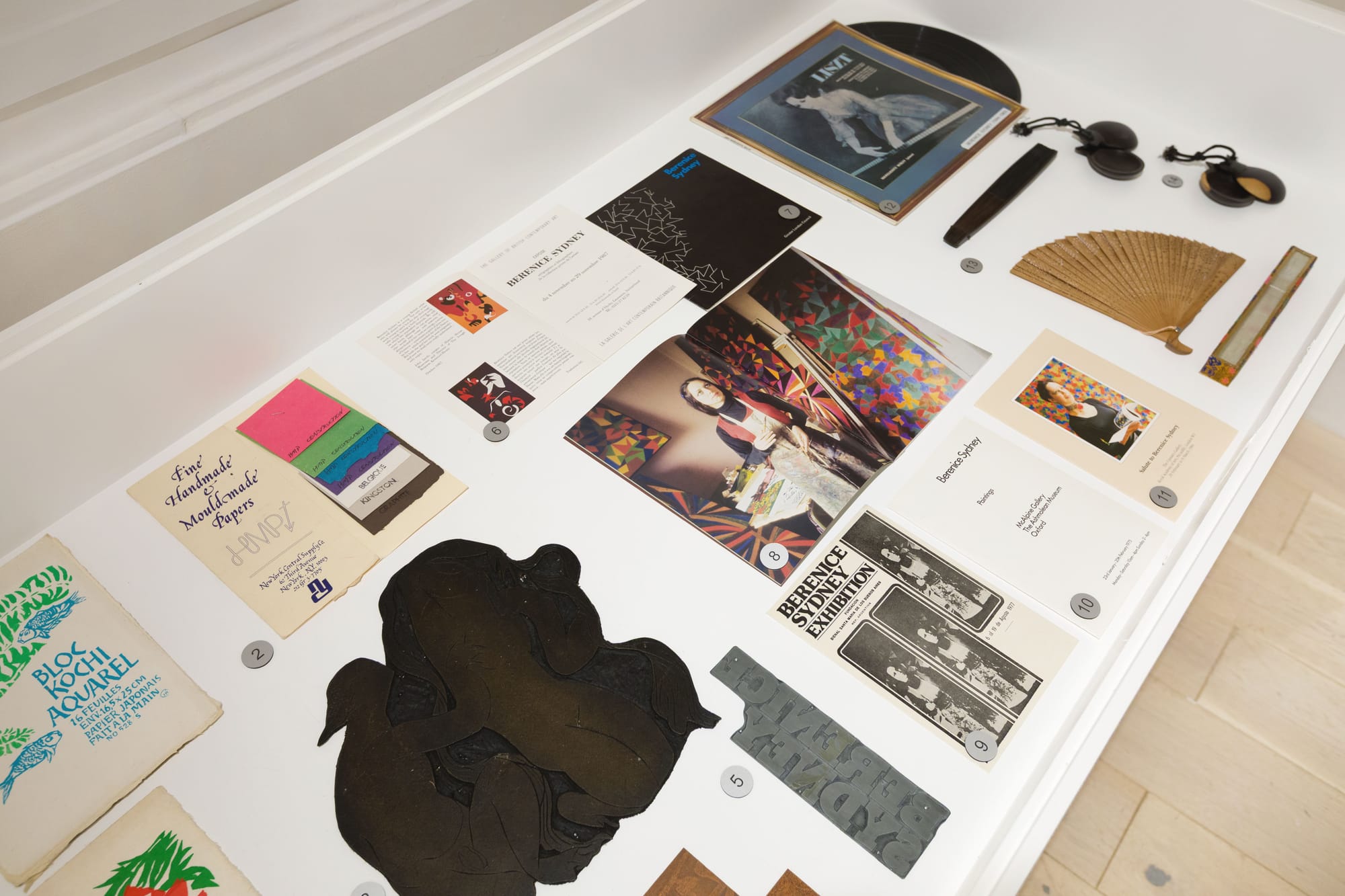
It was a process of piecing together a very fragmented story. We began with the extraordinary amount of material preserved by the Women's Art Library at Goldsmiths University (initially put together in collaboration with Berenice’s mother) and gradually worked through correspondence, photographs, exhibition records, reviews and, most importantly, Berenice's own writing. We also retraced works held in institutional collections and worked closely with her family to reconstruct the different stages of her career. A huge part of the research was simply organising everything – identifying series, establishing chronologies and understanding how the different strands of her practice related to one another. Over time, what initially seemed like a very diverse body of work began to reveal an incredible coherence.
4. Was there a particular discovery that significantly changed your understanding of Berenice or her work?
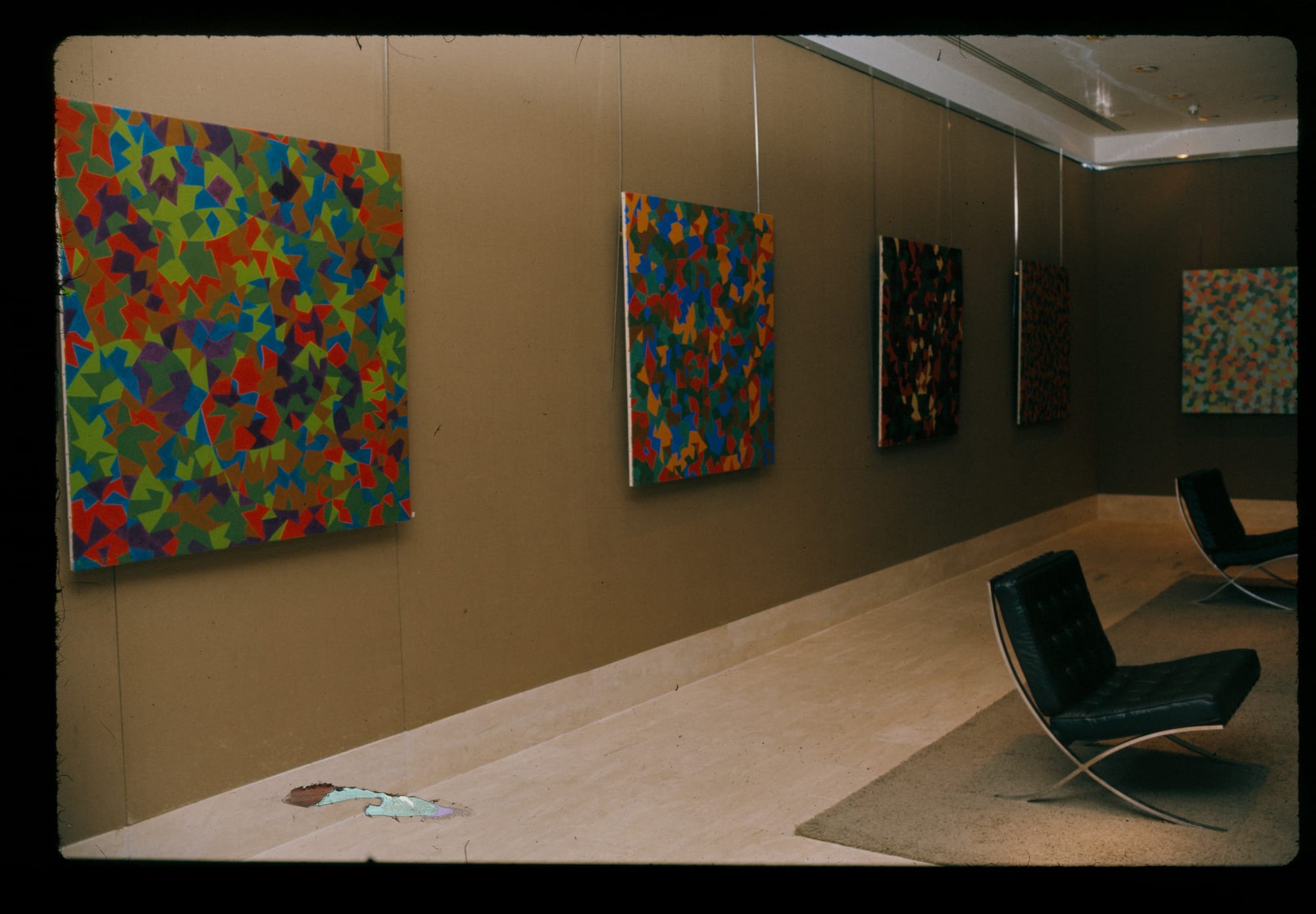
For me, it was encountering Berenice's own words. There's something incredibly special about reading an artist's personal reflections because you suddenly feel you're getting to know the person behind the artist. It creates a connection that goes beyond simply appreciating what they've made. I remember reading that she gave her colours personalities – some were “friendly”, others “nasty” - and immediately understanding her sense of humour and the playful way she approached her practice. It was one of those moments when I felt I could really hear her voice, and it completely changed the way I looked at her work.
5. Her practice moved between painting, printmaking, costume design, writing and performance. How did this breadth influence the way you approached the exhibition?
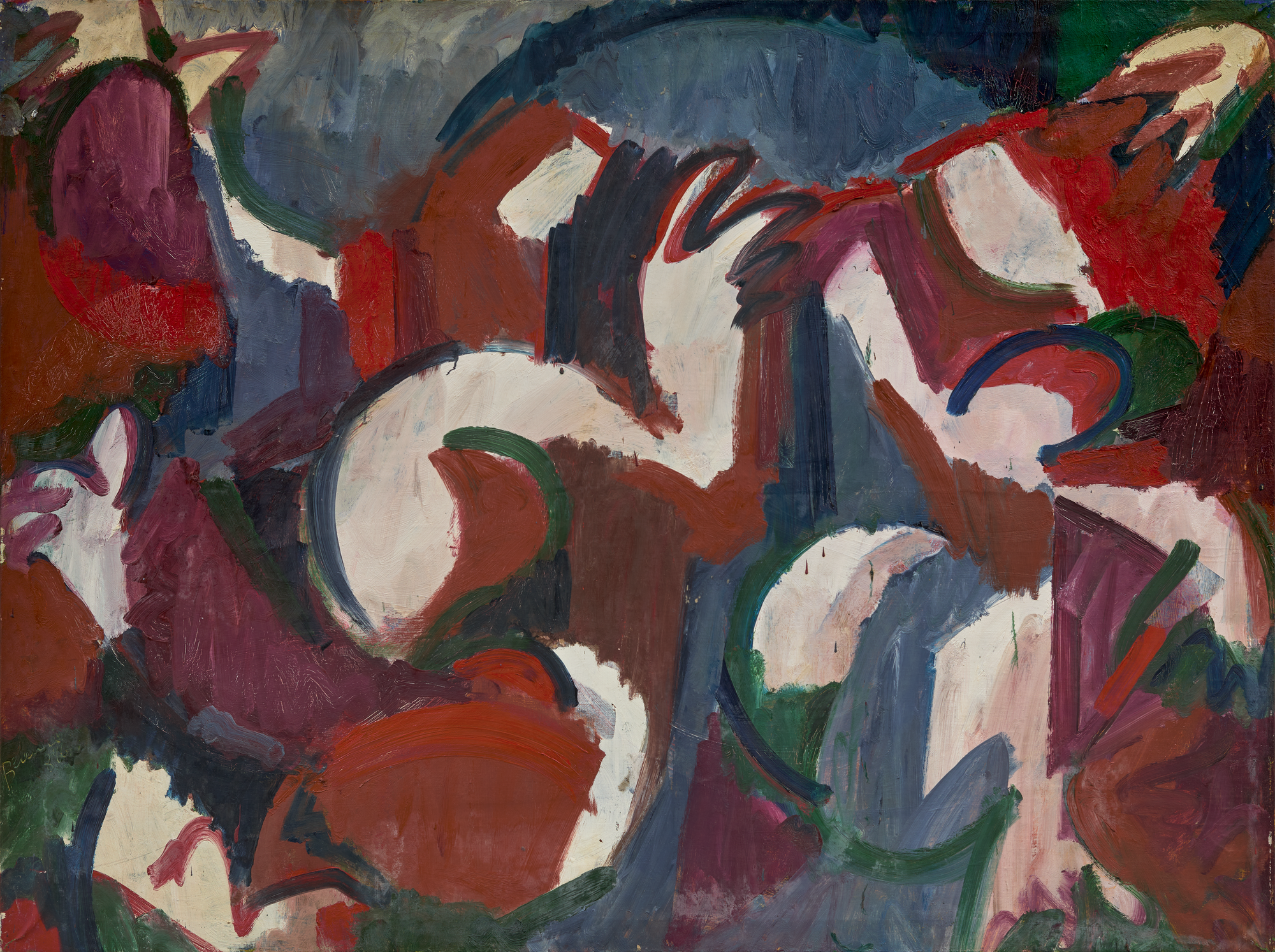
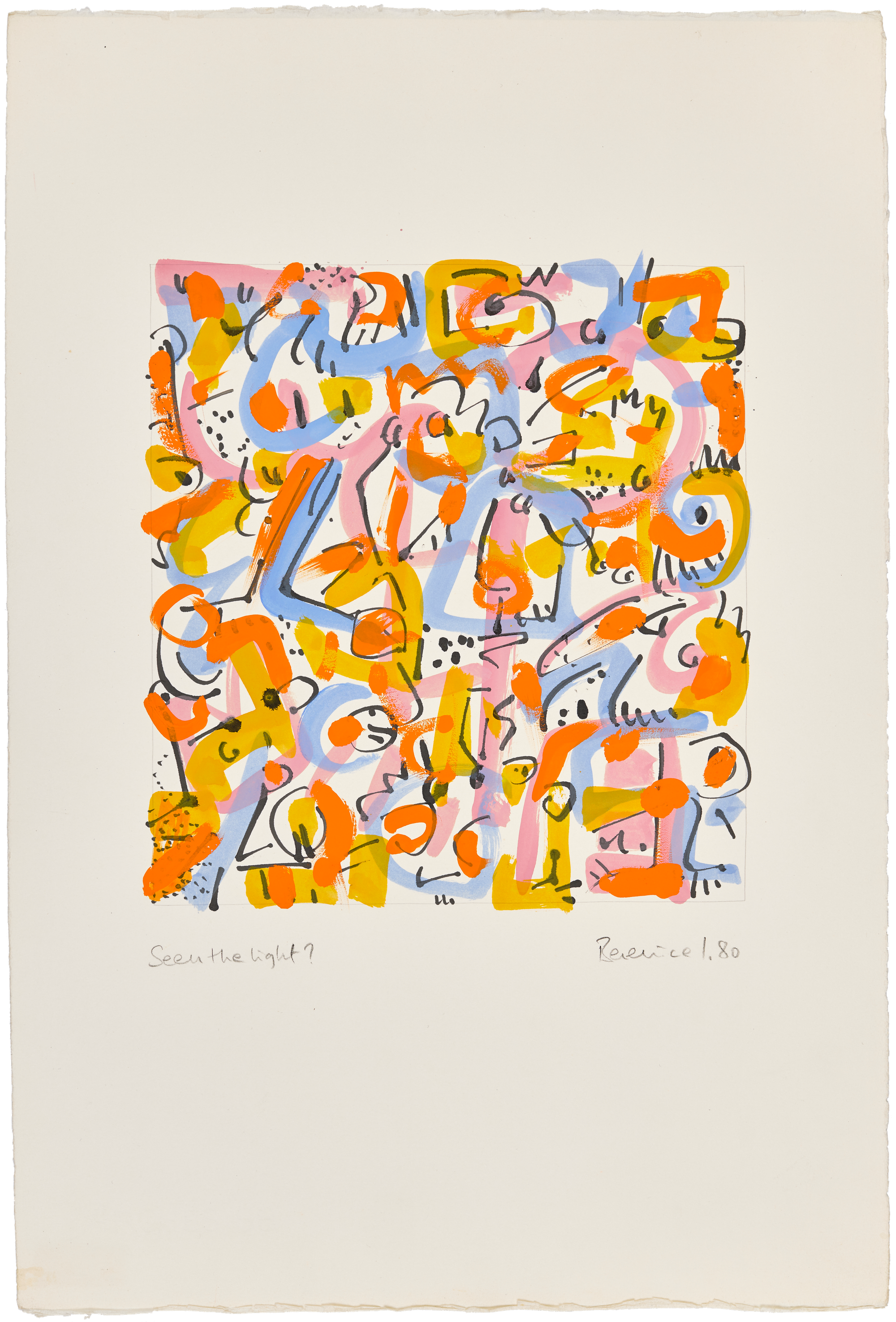
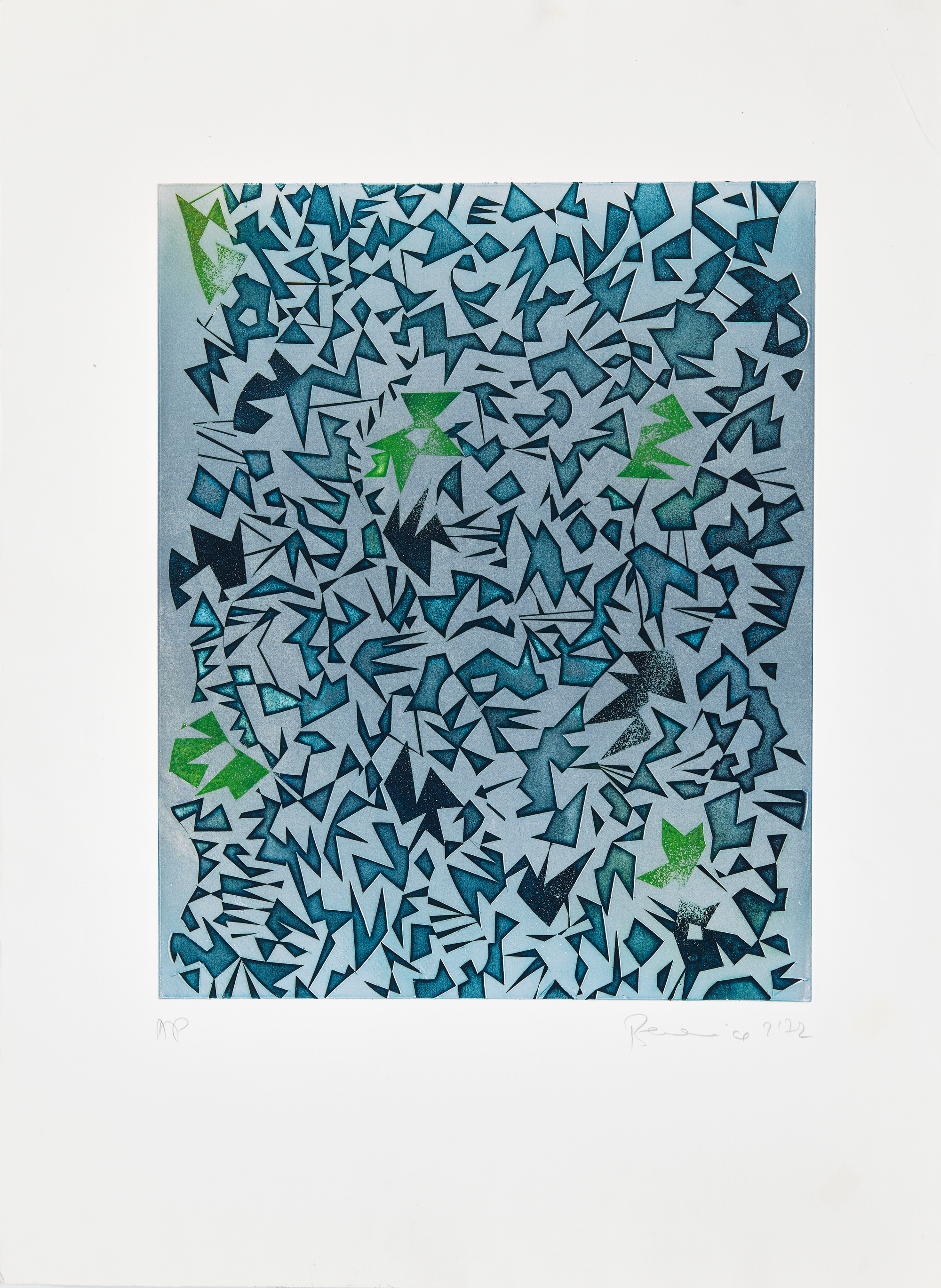
I think one of the most fascinating things about Berenice was precisely how varied her practice was, and yet how coherent it became once we started understanding it. She actually divided her practice into two distinct strands: her paintings, where colour was the primary concern, and her graphic work, which she described as her more "literary side", where line took centre stage. The extended practice explores different media, but always closely relates to one of these two categories. We wanted the exhibition to reflect this distinction, while also showing how these varied forms of expression were interconnected. Rather than trying to fit her into one artistic category, we wanted to embrace the complexity of her practice.
6. How did you decide which works and archival materials should be brought together to tell her story without reducing such a varied practice to one fixed narrative?
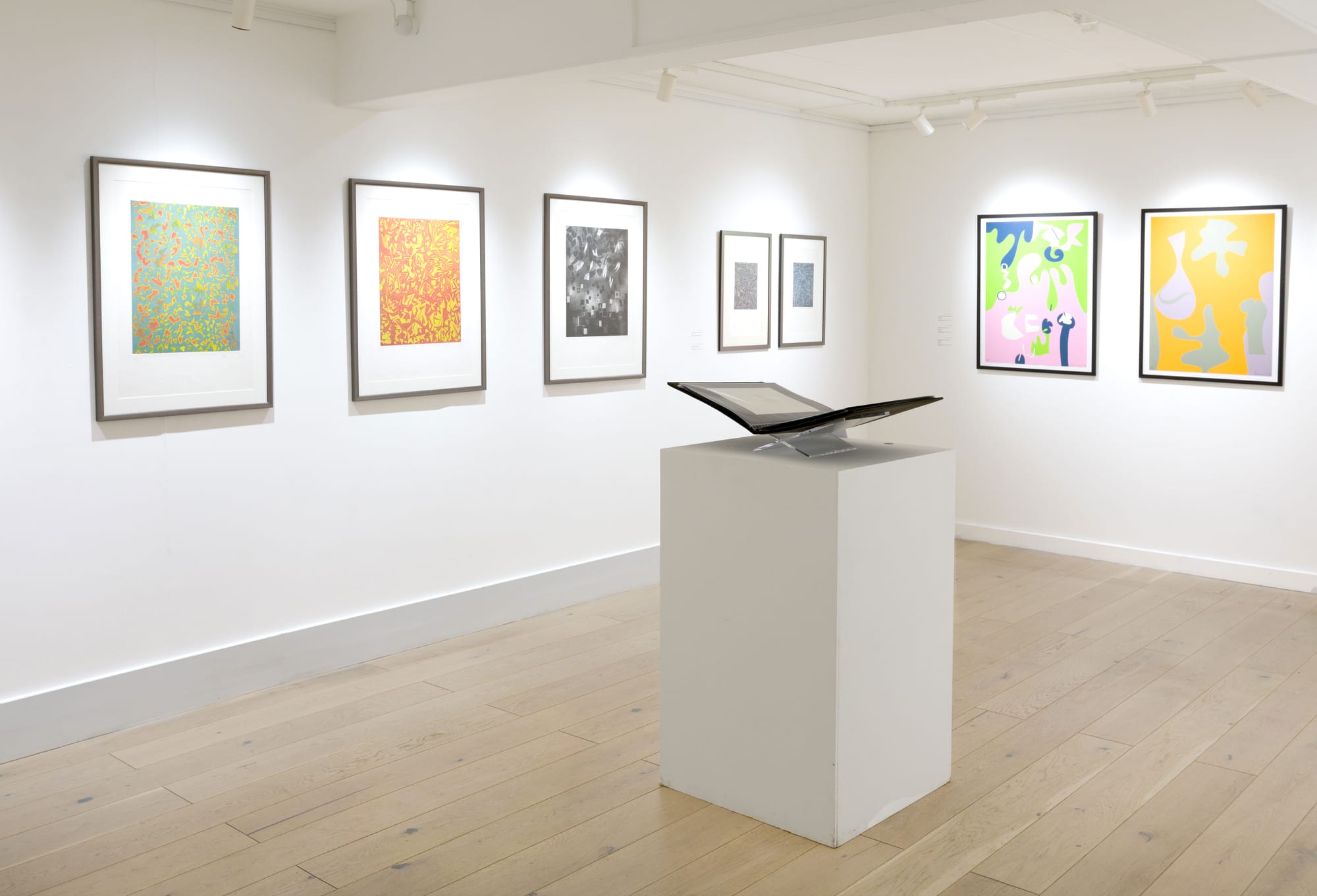
The starting point was really Berenice herself, and how she understood and categorised her own work. We didn't want to impose an interpretation on her practice, but rather reconstruct the logic that was already there. Where possible, we tried to include at least one work from each of her major series, making sure that no significant aspect of her practice was left out. At the same time, we approached the exhibition chronologically, allowing visitors to follow her artistic evolution and see how different ideas, techniques and interests developed over time. The exhibition is necessarily a selection, but the book allowed us to explore that complexity in greater depth. Ultimately, the aim wasn't to tell one definitive story, but to provide a framework through which people could understand the breadth of her practice and recognise the connections running through it.
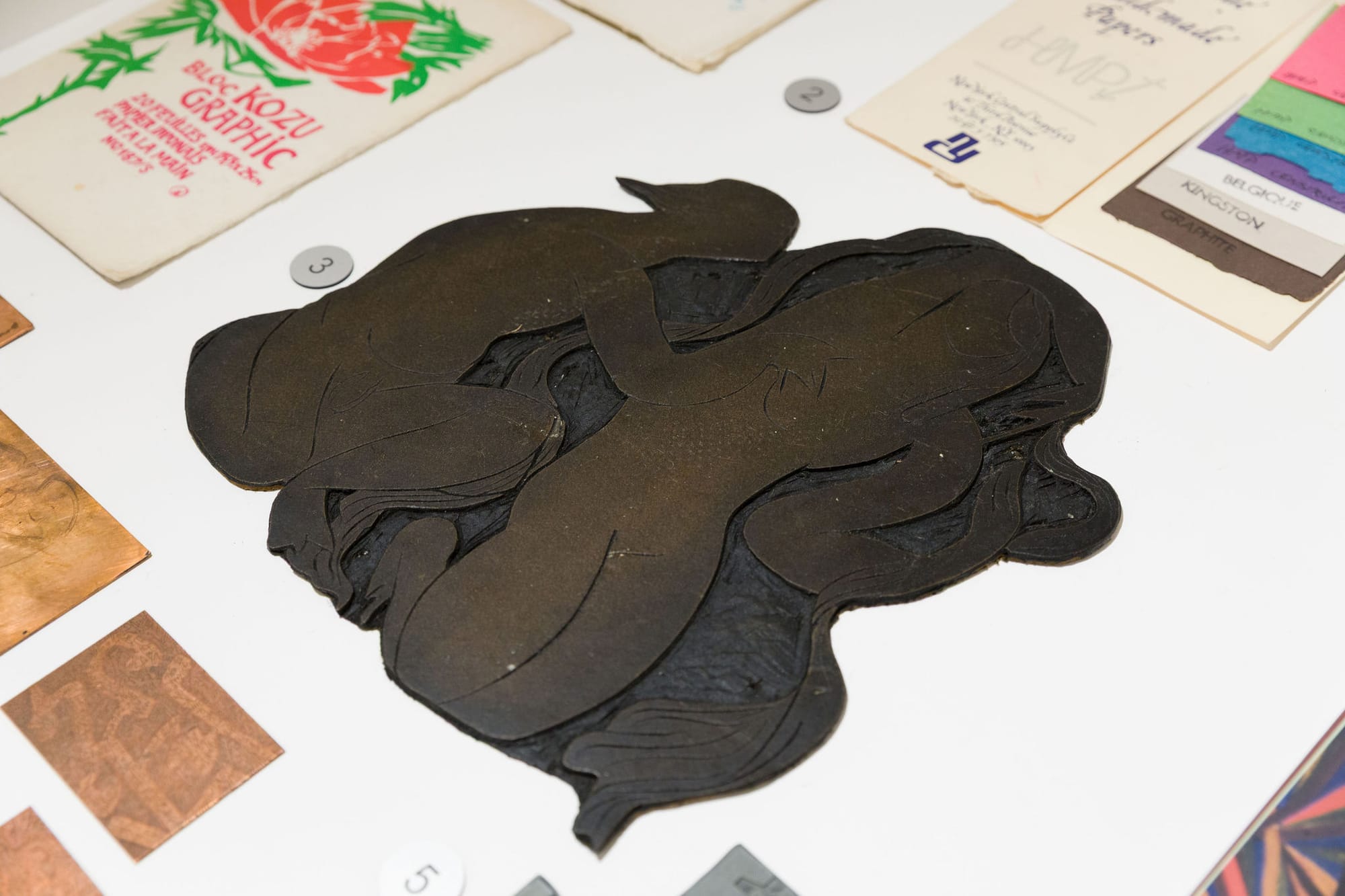
7. What do the sketchbooks, printing plates, artist books and performance costumes reveal that cannot be understood from the finished works alone?
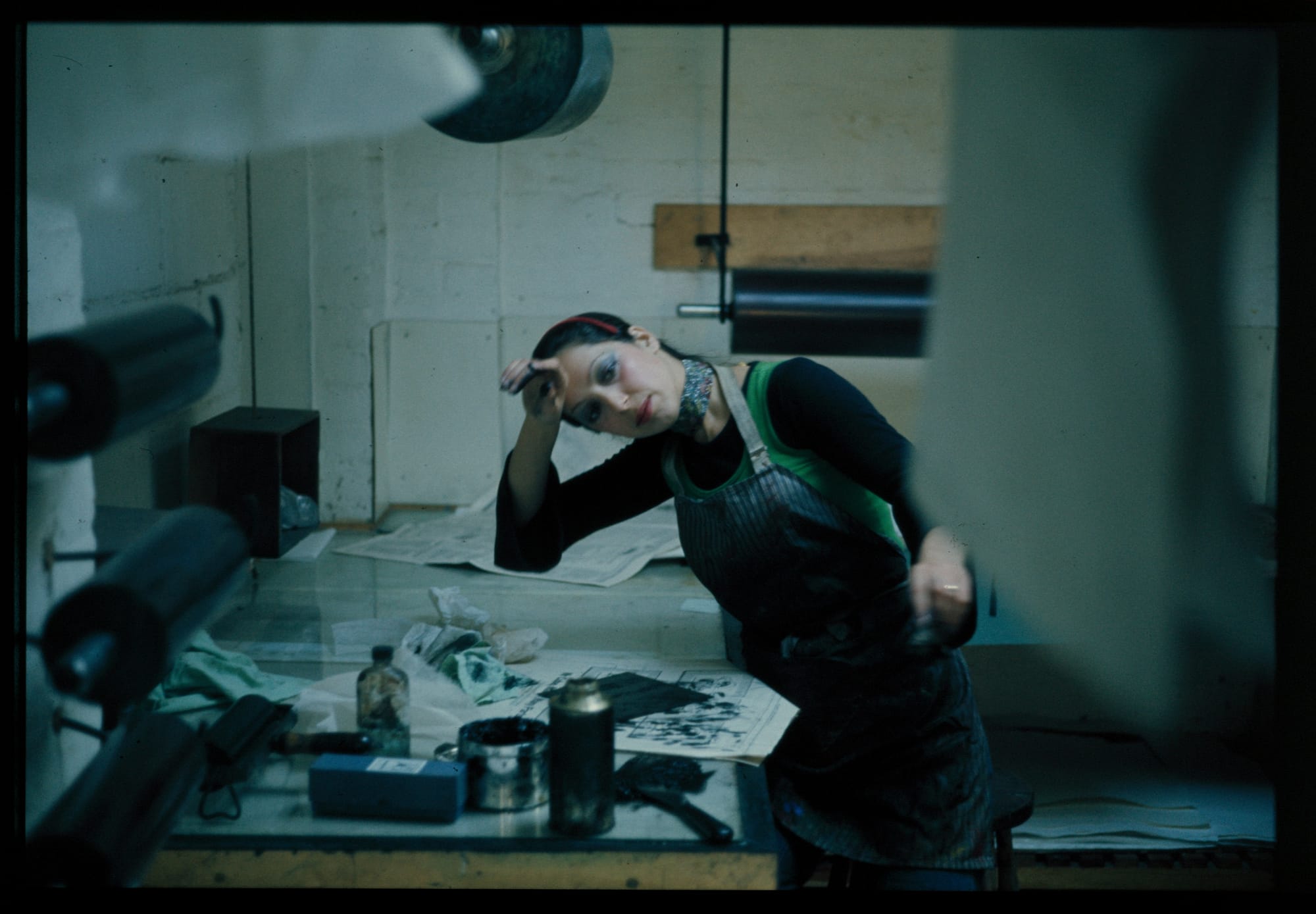
I think they reveal just how curious and experimental Berenice was. When you look at a finished painting or print, you see the result, but the archival material allows you to understand the thinking, experimentation and sometimes the humour behind it. Each of these objects tells us a little more about how she approached her work, from the intricacy of her technical process to the almost obsessive research of the perfect materials. The costume and the illustrated book also remind us that her creativity wasn't confined to conventional artistic formats. These materials bring her practice to life, giving us special access behind the scenes.
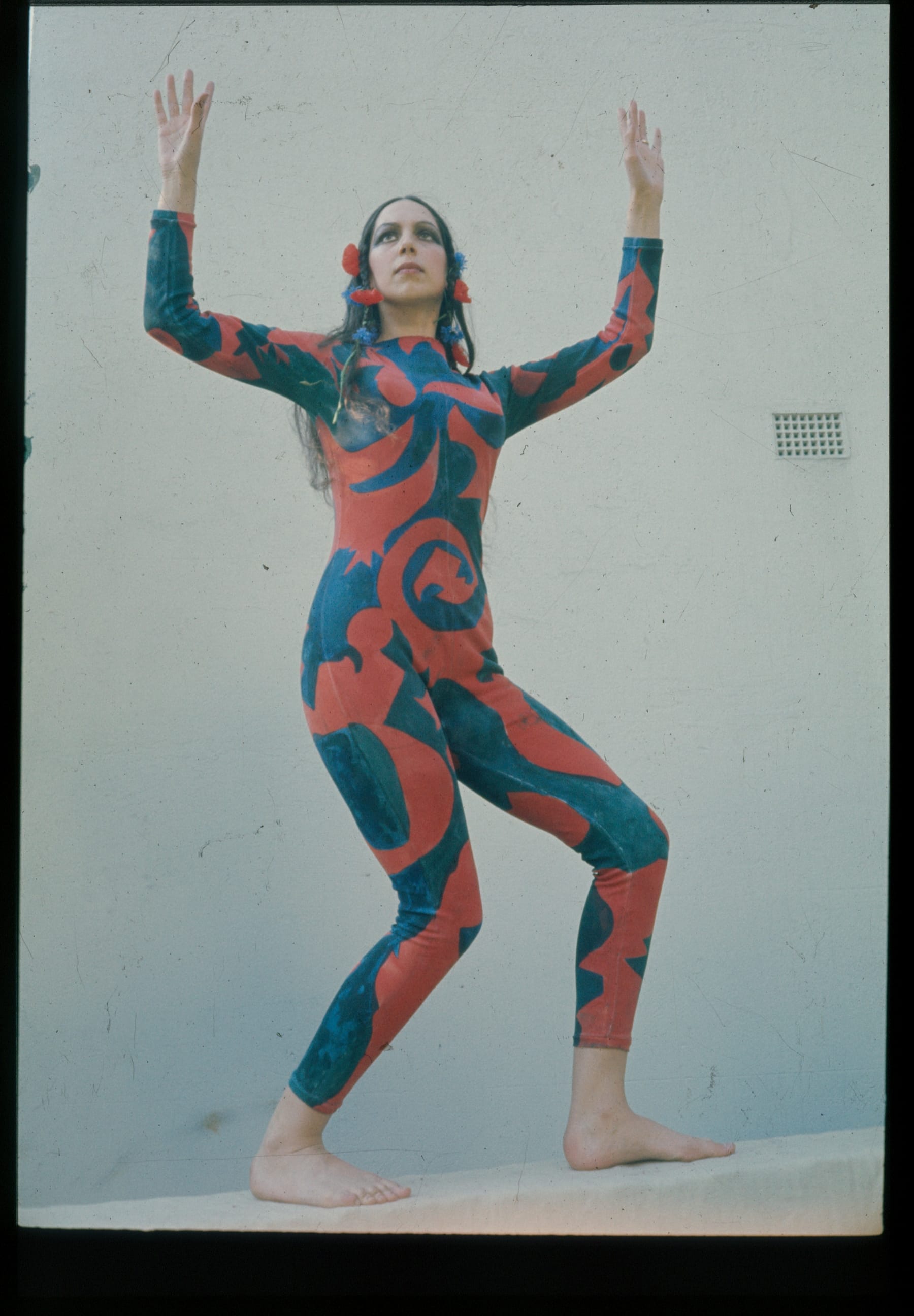
8. How important were photographs and other visual records in reconstructing Berenice’s life, studio and performances?
They were incredibly important, particularly because so much of Berenice's practice extended beyond the works themselves. Photographs allowed us to appreciate how theatrical she was as a person, reconstruct exhibitions, and get a glimpse into her studio and creative environment. I think these records also brought a more personal dimension to the research. They helped us piece together not just her artistic career, but the life and personality behind it, making her story feel much more tangible.
9. The exhibition begins from the idea that “acquisition is not the same as attention.” What needs to happen beyond institutional acquisition for an artist’s legacy to remain active?
A work entering a collection is obviously a great achievement, but it is also only one part of the process. A legacy remains active through continued research, exhibitions, publications, commercial support and funding, critical writing, teaching and engagement from curators, scholars and dealers. Berenice’s story demonstrates how works can remain physically preserved within important institutions while the wider narrative around the artist diminishes. Our role as a commercial gallery is therefore to rebuild that context, visibility, and market. However, ultimately, lasting recognition requires a wider collaboration of art world participants that can support that legacy from different perspectives.
10. What do you hope audiences encountering Berenice Sydney for the first time will take away from the exhibition?
First and foremost, I hope they get to know Berenice in the same way we did over these years, and come to appreciate her as the extraordinary and incredibly accomplished artist she was. I hope they recognise the mastery behind her work, but also discover her humour, curiosity and the originality of her thinking. Beyond that, I hope they leave with a greater awareness of the gaps that still exist in the history of art, and a more critical understanding of how artistic legacies are constructed, preserved or sometimes forgotten. Ultimately, I hope the exhibition encourages people to question whose stories we've been telling, whose we've overlooked, and how many other remarkable artists are still waiting to be rediscovered.
Subscribe to our newsletter!
Weekly and monthly roundups of the best of London.