Don’t Fall for 11.11
A reality check on Black Friday sales.
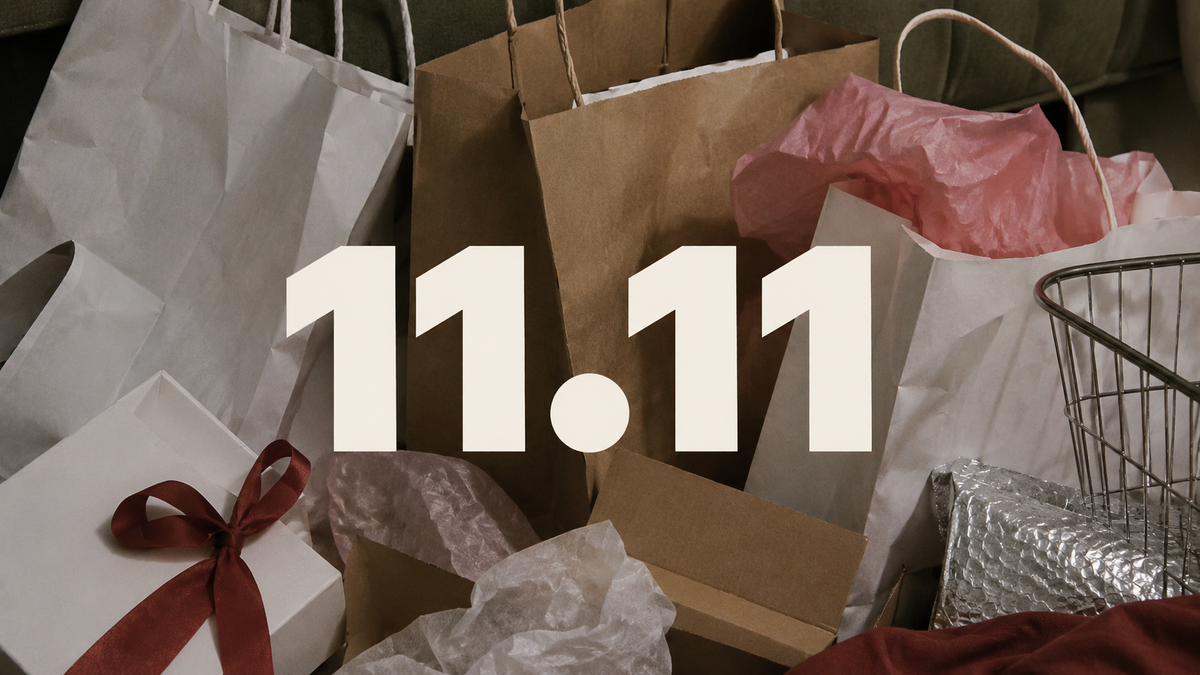
Every November, the advice is the same: don't fall for the sales. Every November, a "–60%" in the inbox still lands.
That isn't weakness; it’s design. Singles' Day began in the 1990s as an anti-Valentine's joke among Chinese students. Alibaba turned it into a shopping festival in 2009. Since then, "treat yourself" has become a seasonal ritual: hauls on TikTok, baskets filled "just in case", the quiet FOMO. The pleasure comes from the hunt more than from the purchase.
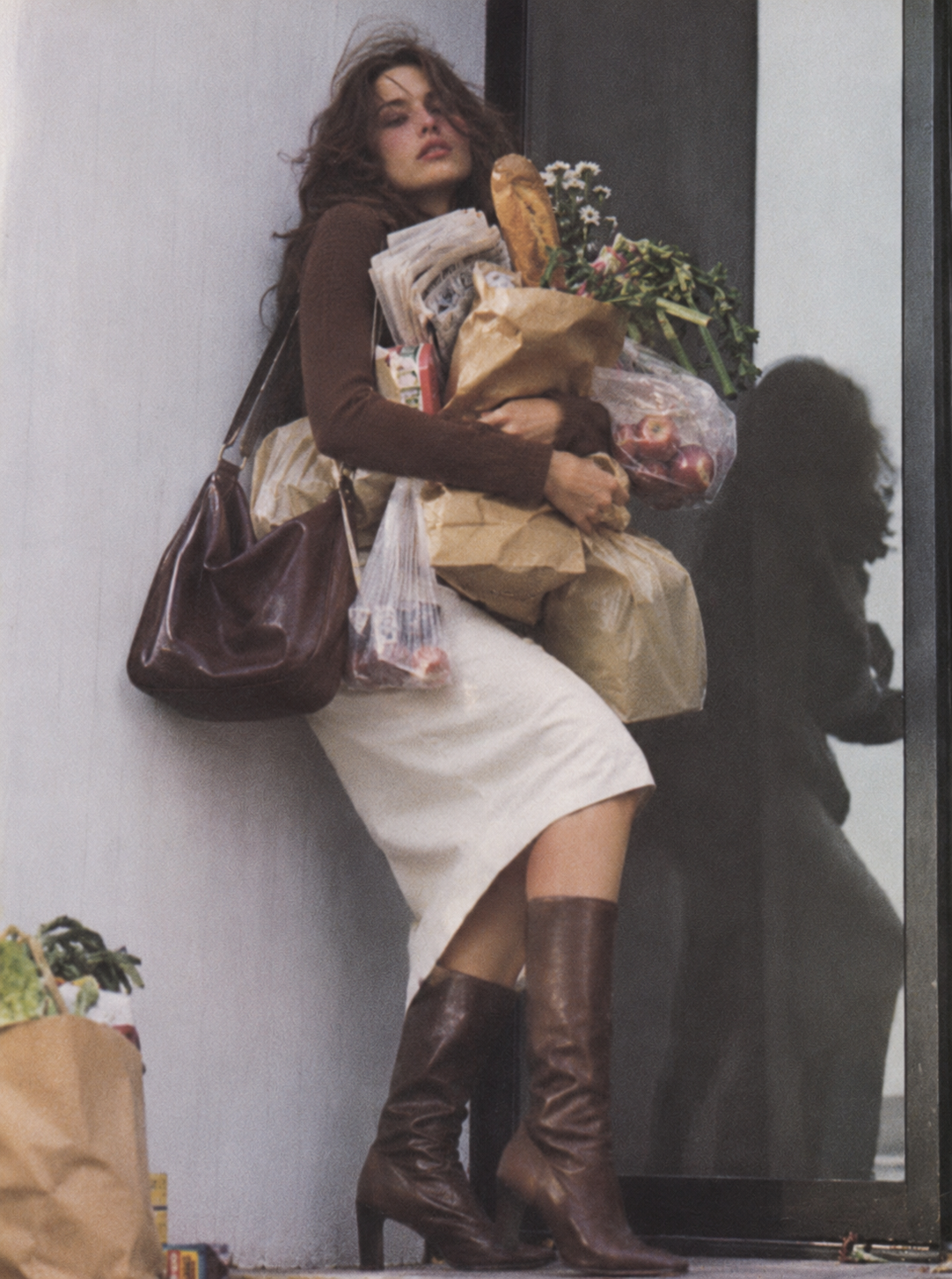
Urgency is a format, and the sale you’re afraid to miss will come back.
• Each year, Which? tracks UK sale prices for a full year around Black Friday. About 9 in 10 “deals” end up being the same price or cheaper at some other point.
• On Amazon, 88% of Black Friday deals were cheaper or the same price outside the sale period.
• In one Which? study, only 1 of 201 products was at its lowest price on Black Friday itself.
A little quiz: which one saves you the most?
1) Buy 2, get 1 free
2) 50% off the second item
3) 40% off
4) Spend £100, get £30 off
Answer: 3
1) Buy 2, get 1 free = 33% off. But only if you actually need three. If you needed one, you’ve spent twice as much.
2) 50% off the second item = 25% off. The half price applies to one of two items. It’s designed to make you buy two.
3) 40% off = 40% off. Simple, and no strings attached.
4) Spend £100, get £30 off = up to 30%. That’s only if your basket comes to exactly £100 of things you wanted. Need £70 worth? You’ll top up with £30 of “filler” just to unlock it.
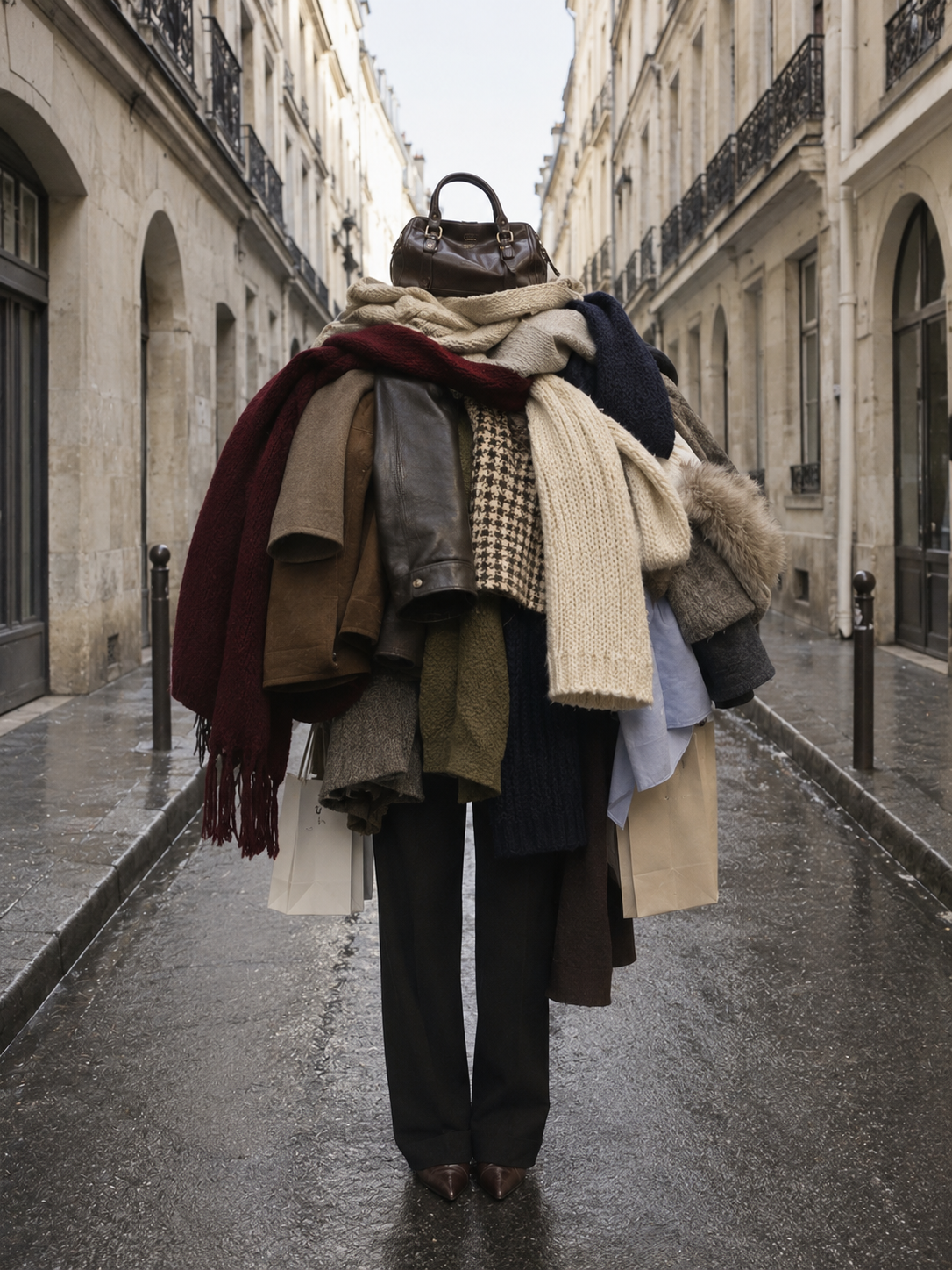
What to watch for (again)
The “was” price nobody ever paid.
The crossed-out price is the anchor. The bigger the gap, the better the deal feels, even if that price only existed for a week or was never charged at all. Retailers also use the RRP to make discounts look more generous.
Our advice — run the item through a price tracker: Keepa or CamelCamelCamel for Amazon, PriceSpy for everything else.
Fake urgency
Countdown timers that reset when you reload the page. “Only 2 left.” “18 people have this in their basket.” These messages are designed to stop you from thinking for the 30 seconds it would take to compare prices.
Our advice — open the page in an incognito window. If the timer starts over, it was a fake.
The newsletter that works against you
You hand over your email, and with it a profile: what you clicked, what you left in your basket, how often you return. From then on — your inbox becomes a FOMO machine: “early access”, “VIP only”, “last chance”, several times a week.
What’s changed in 2026
• Earlier, not louder — сampaigns now launch in October, so the “deal” has been around for weeks before the sale.
• AI does the shortlisting — more shoppers ask AI assistants for gift ideas, and brands now optimise their product data to be recommended. An AI pick is a starting point, not a neutral review.
• Proof over panic — aggressive timers are losing their effect, so brands are leaning on reviews and “real results”.
• One sale, many versions — big spenders get bundles and early access, while budget shoppers get “value” messaging.
The best deal is the one you’d have made anyway.
We hope this checklist helps you shop more mindfully this Black Friday.
Subscribe to our newsletter!
Weekly and monthly roundups of the best of London.